
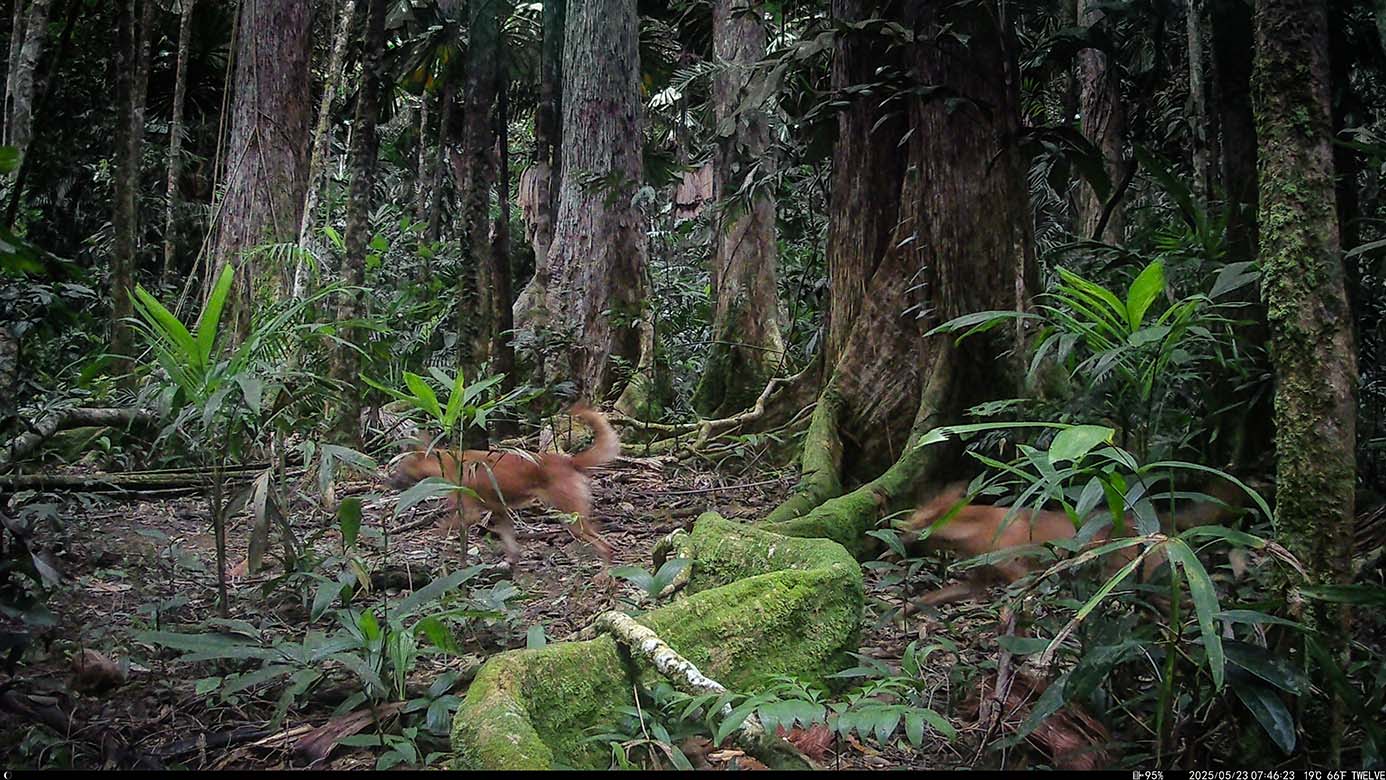
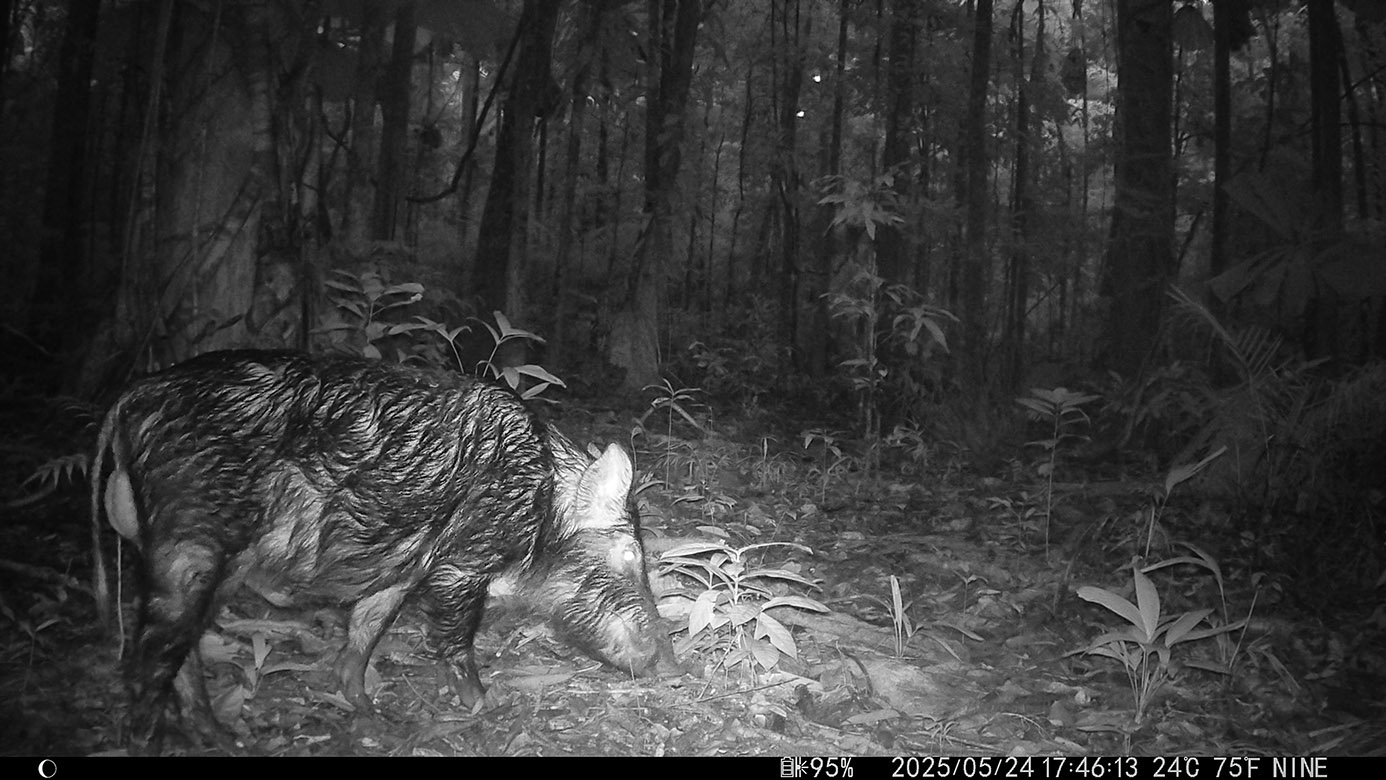
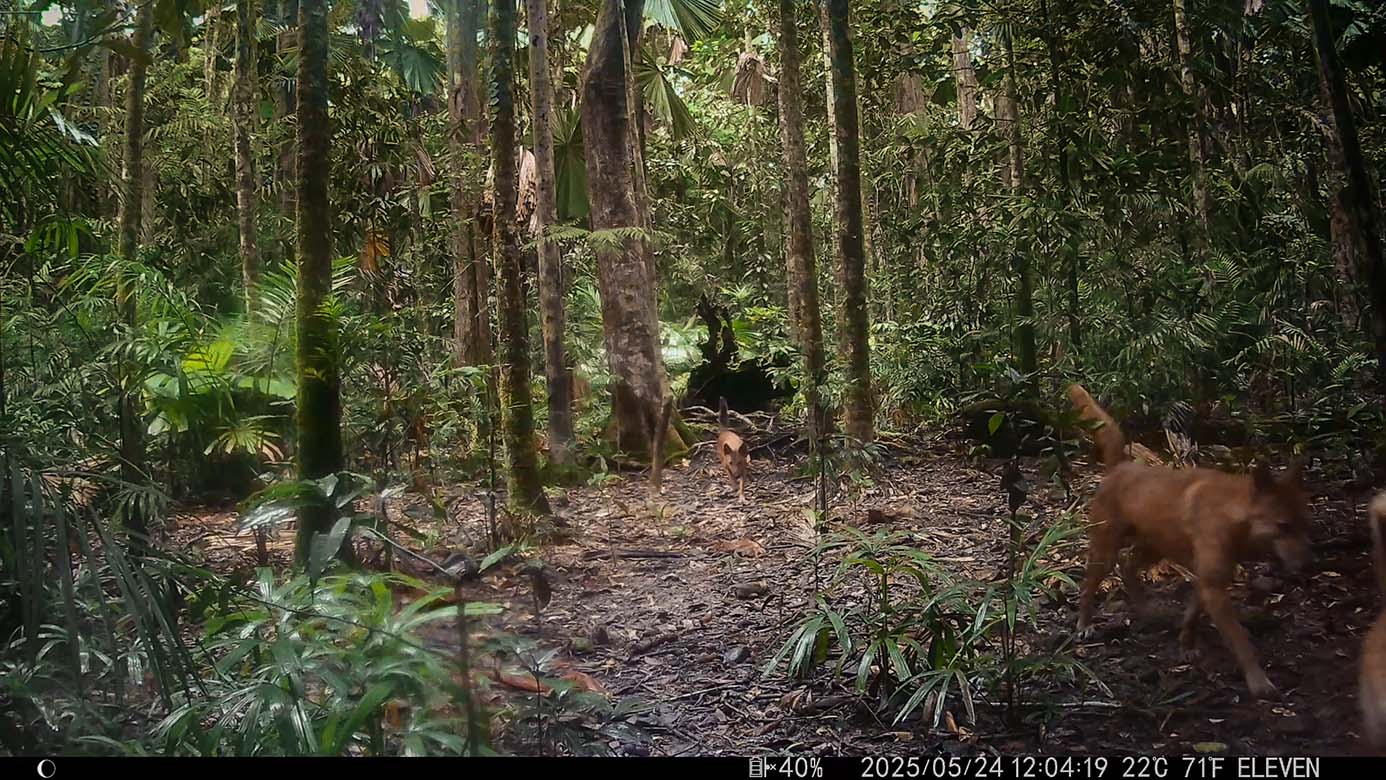
Camera Traps – May 2025 accrued 137-cassowary sightings, 37-dingoes and 119-feral pigs. Against the cumulative monthly average, cassowary numbers rose by 25%, dingoes decreased by 9% and feral-pig numbers also fell by 42%. Against May 2024, cassowary numbers soared by 1,522%, dingoes fell by 3% and feral-pigs increased by 29%.
Image highlights from May 2025
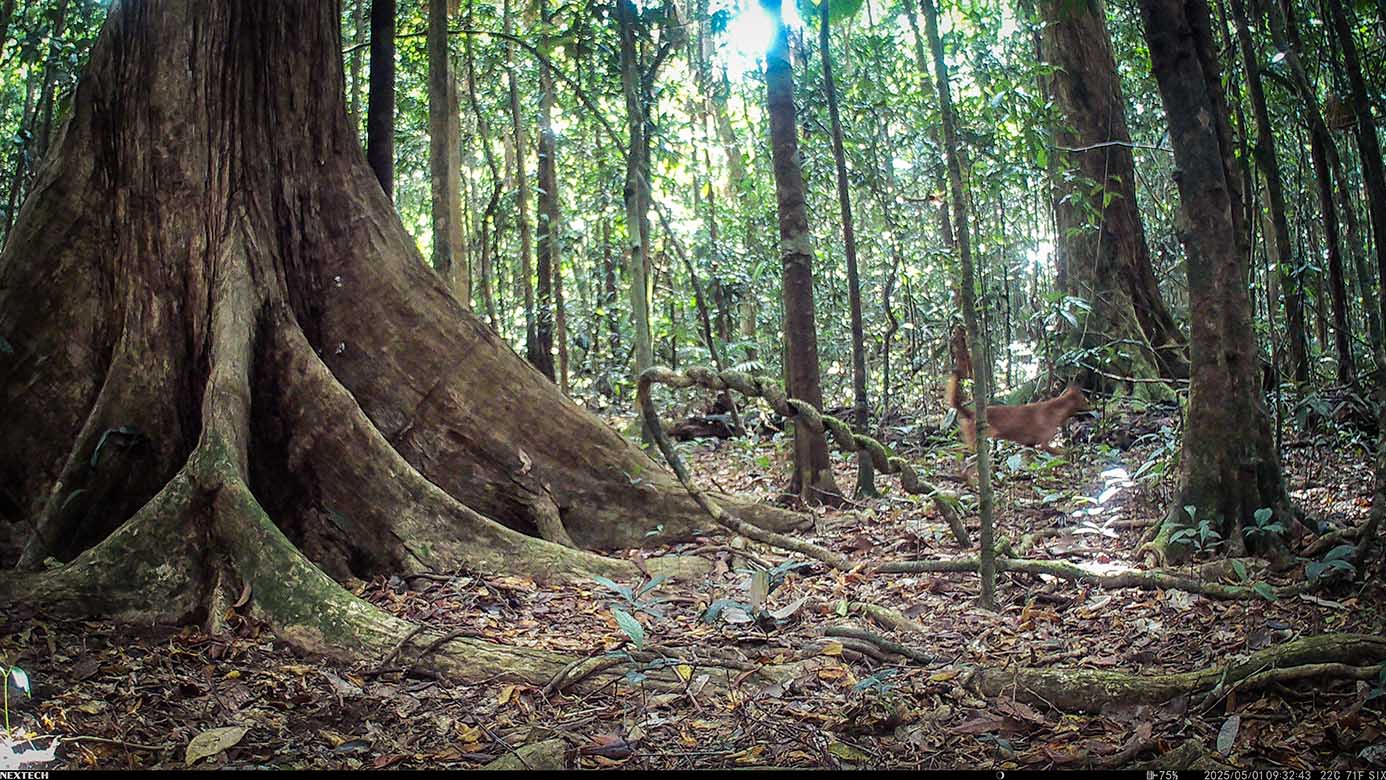
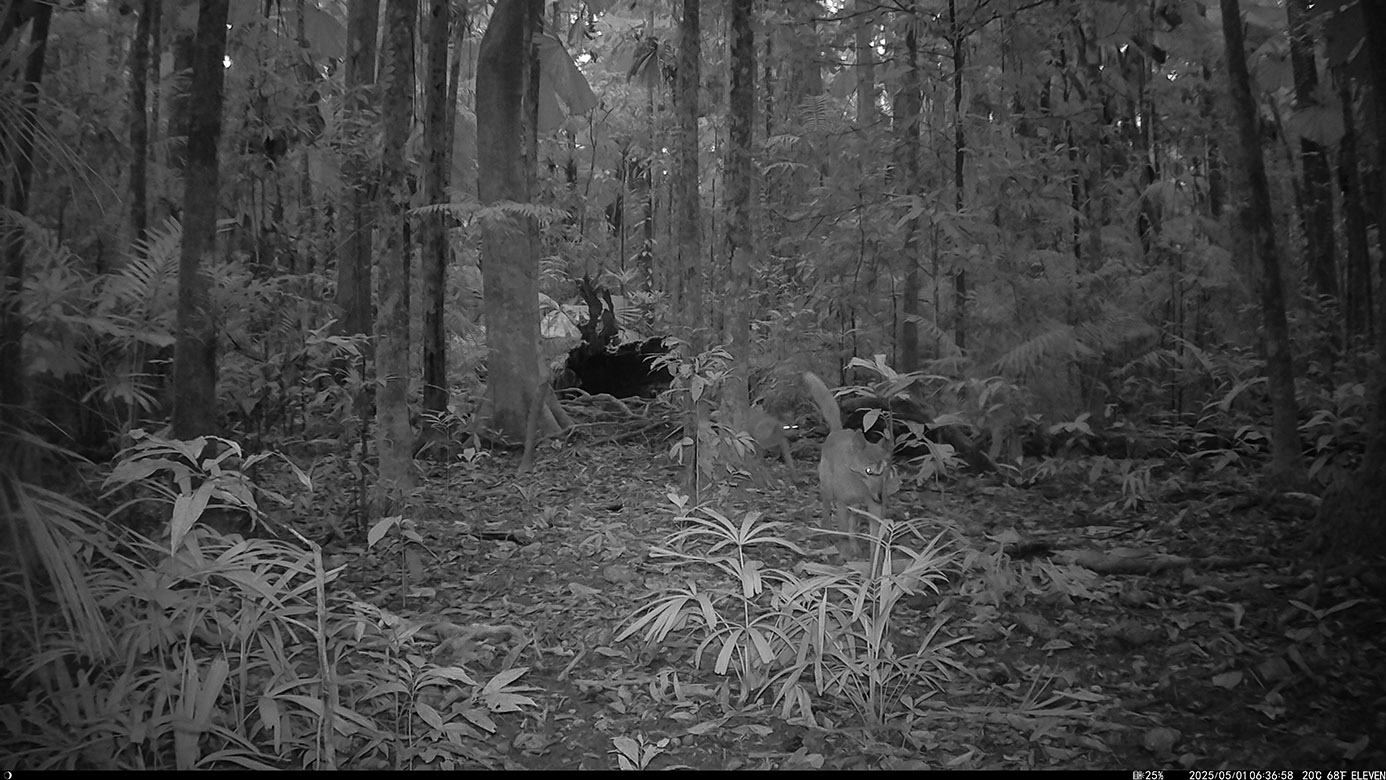
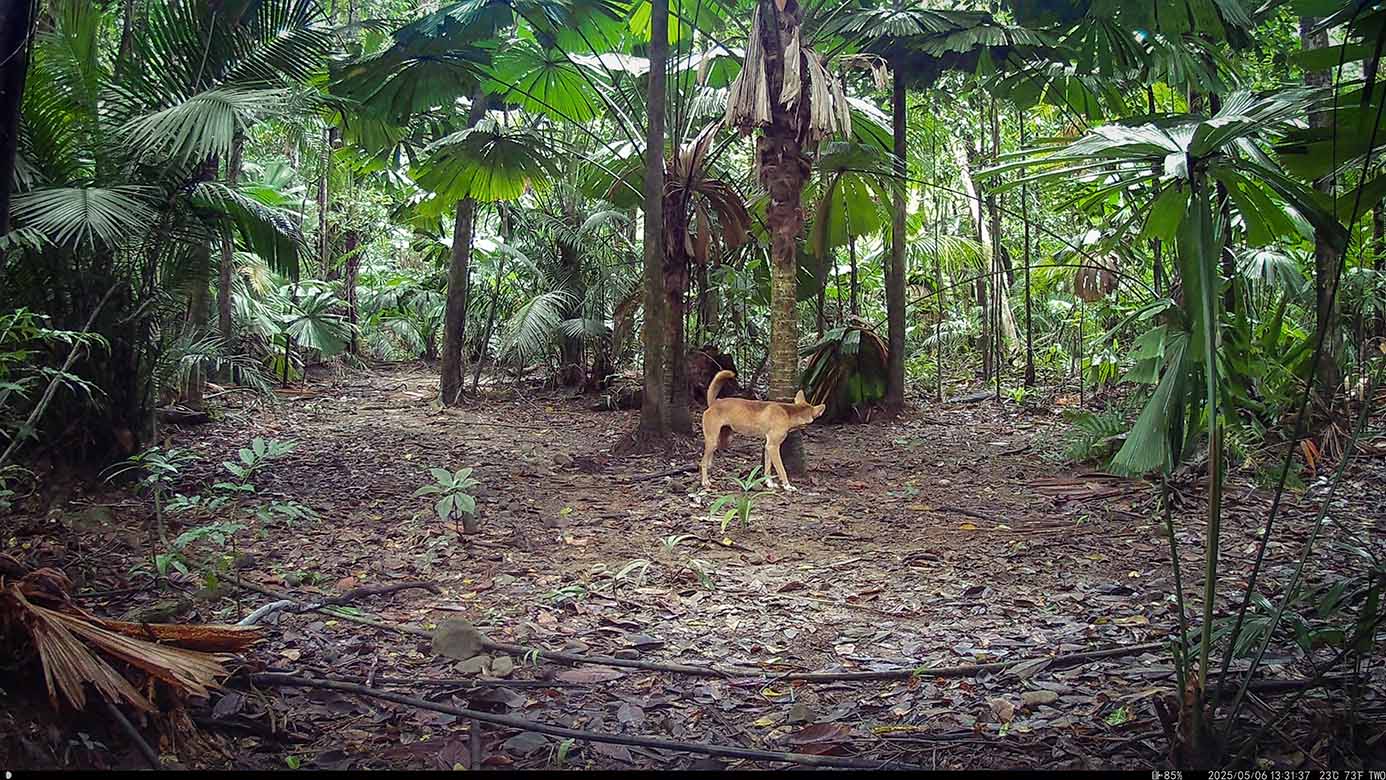
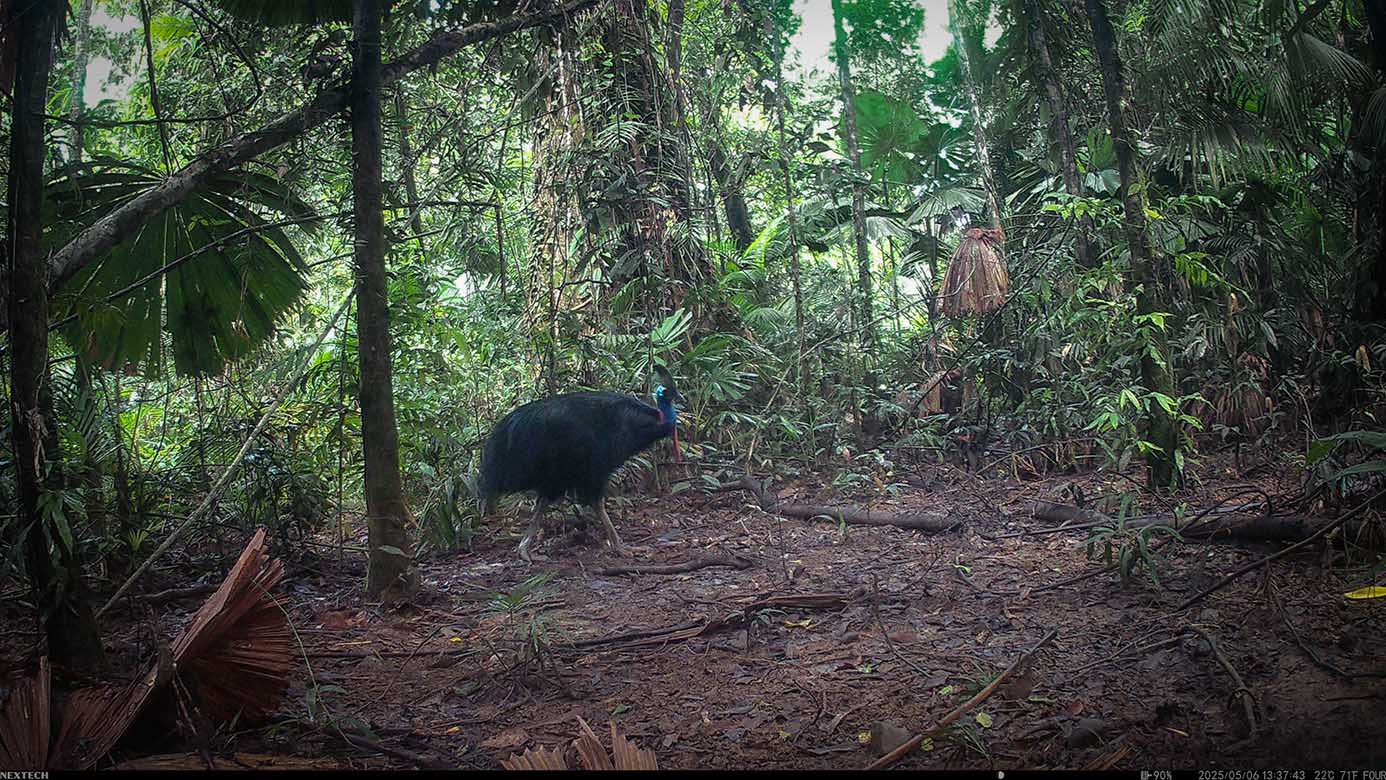
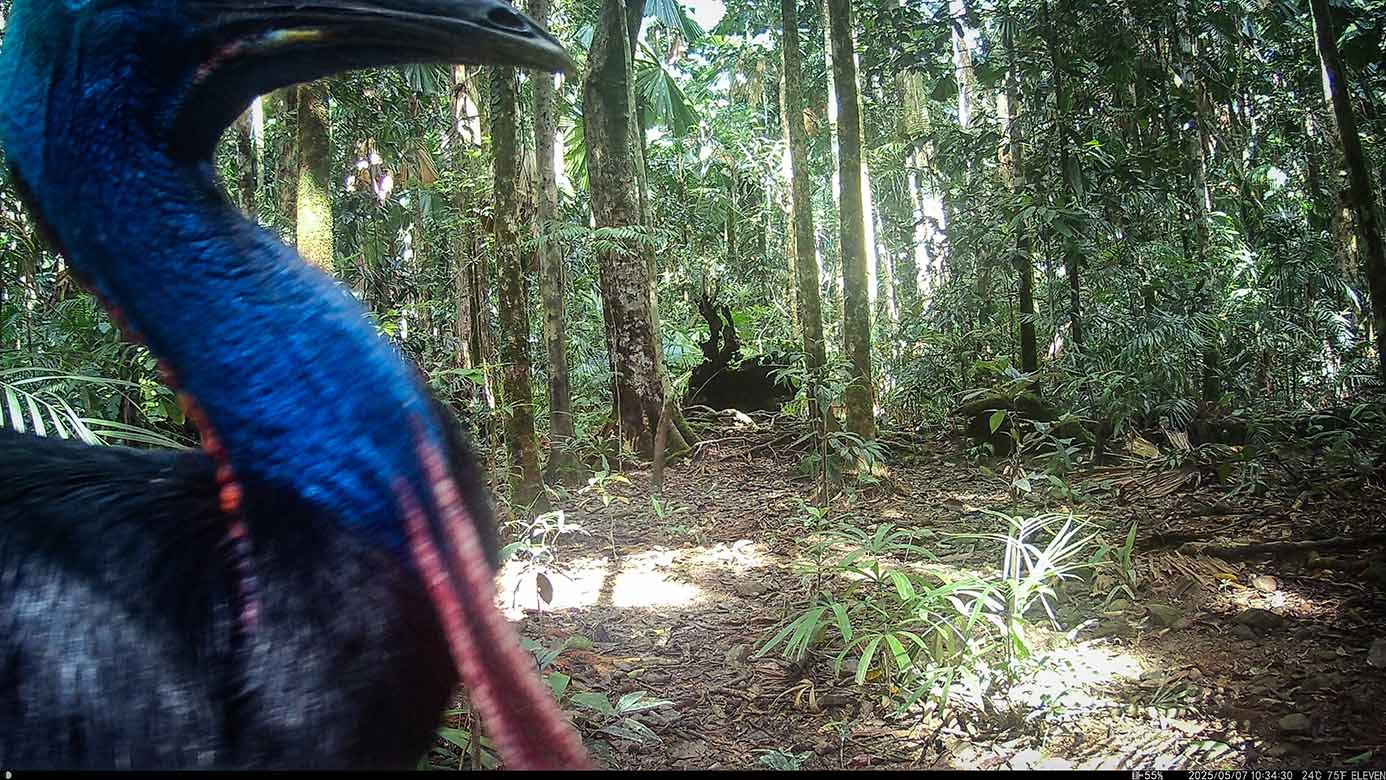
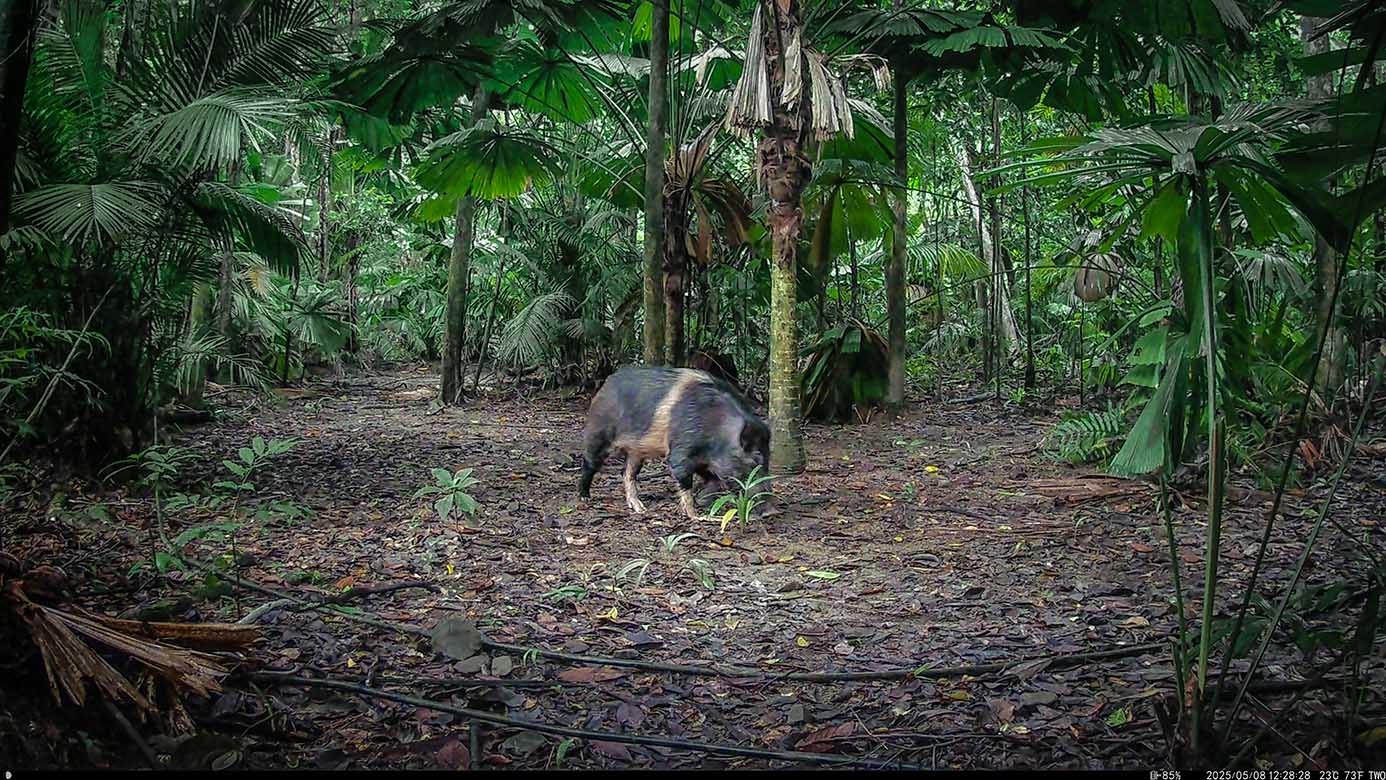
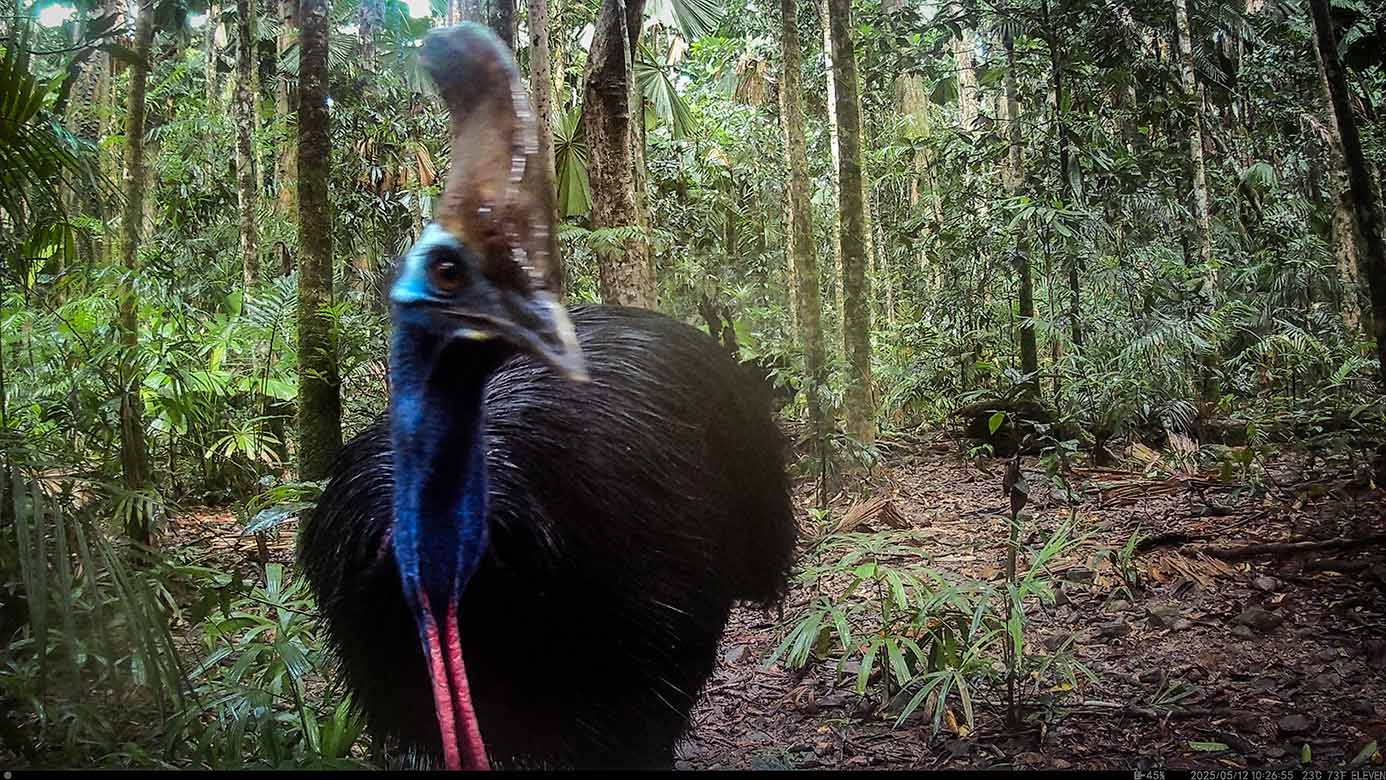
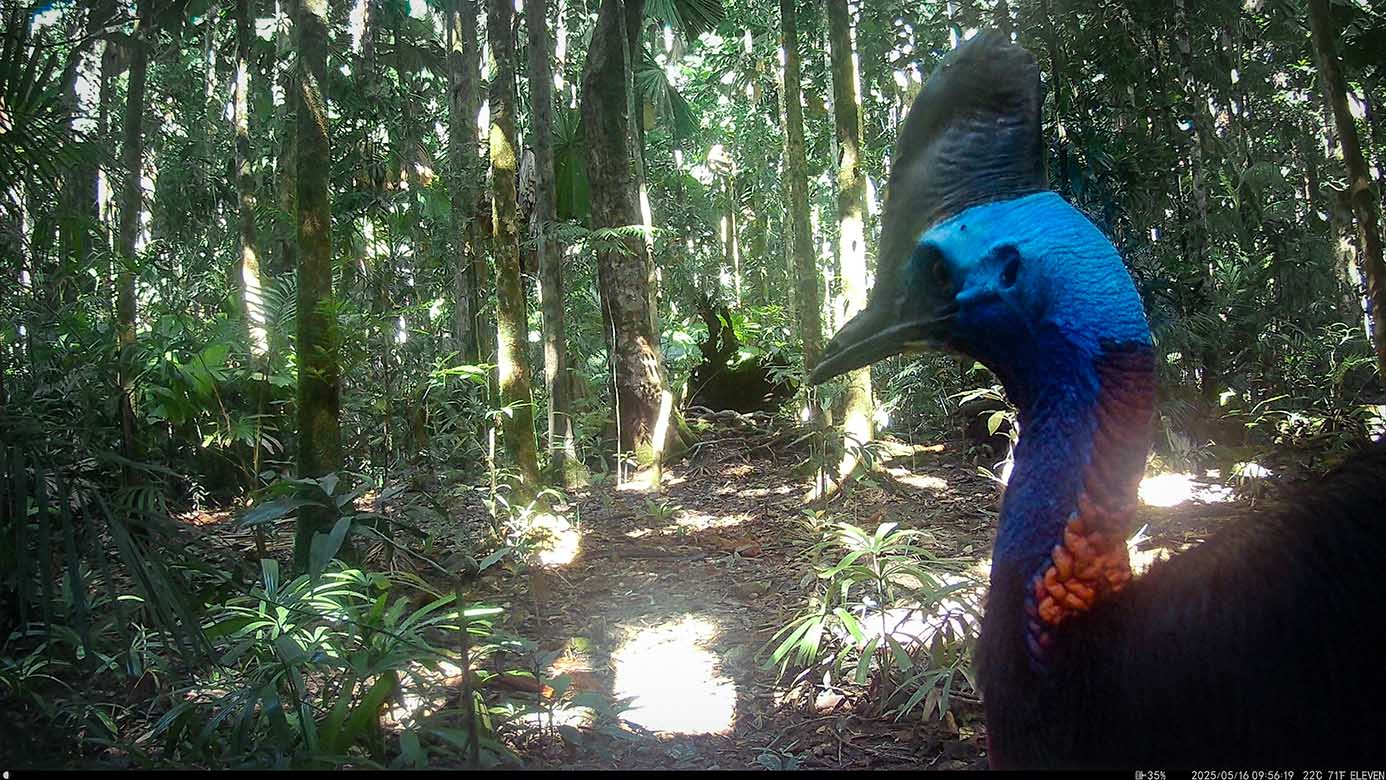
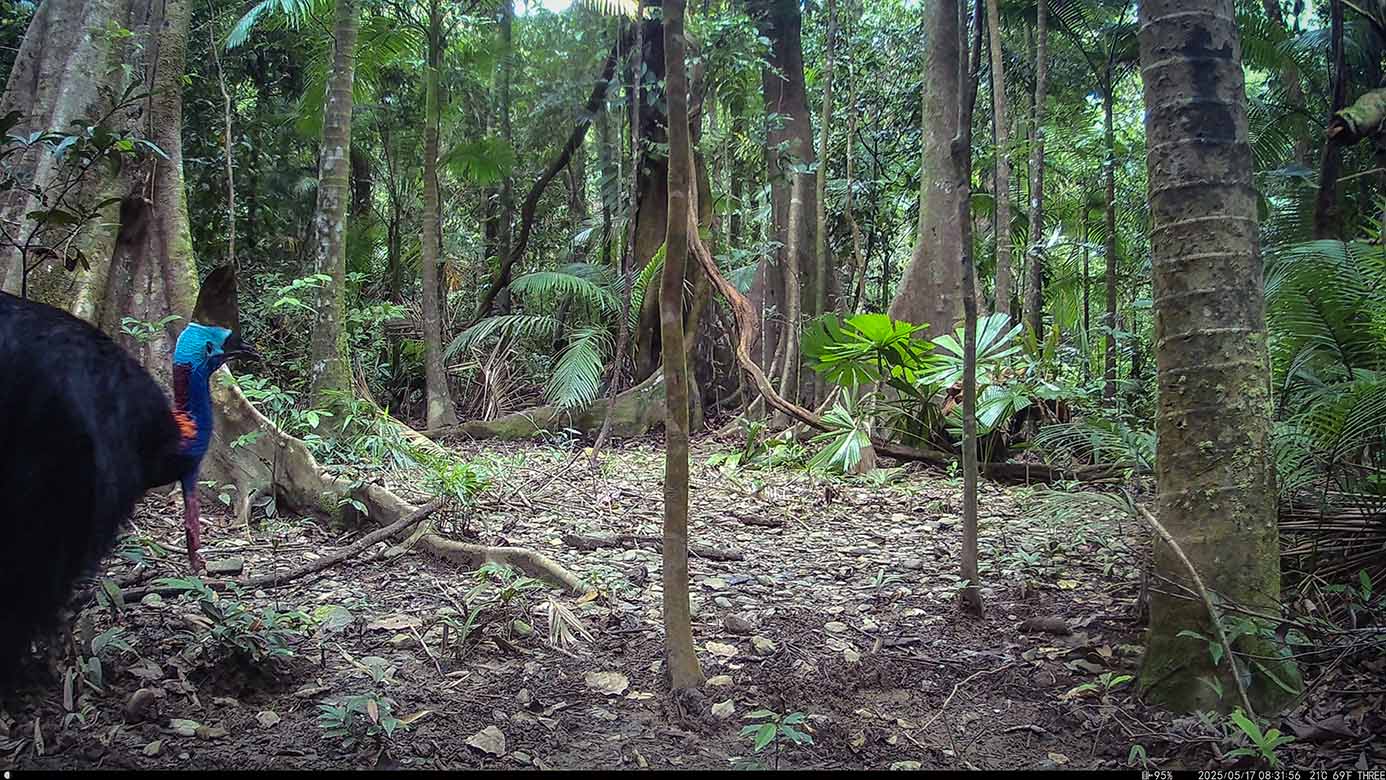
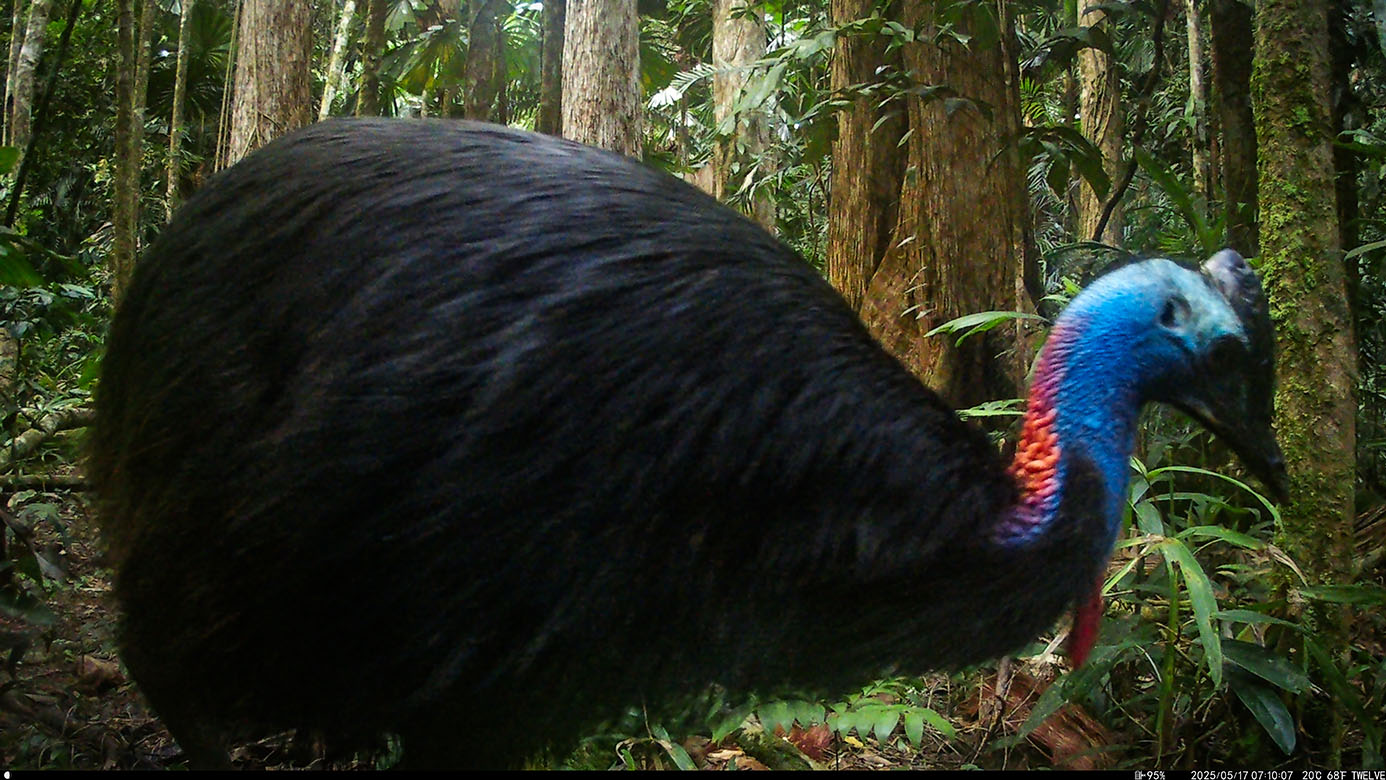
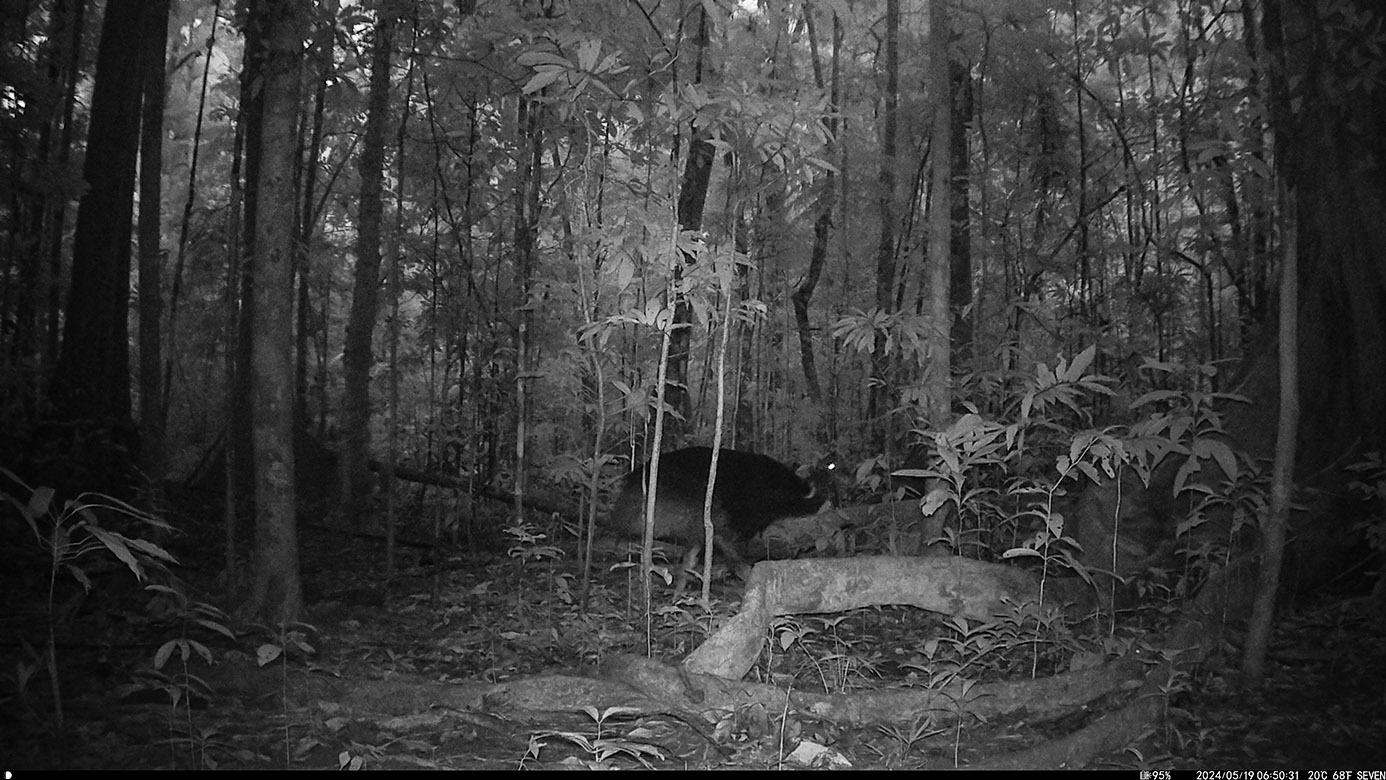
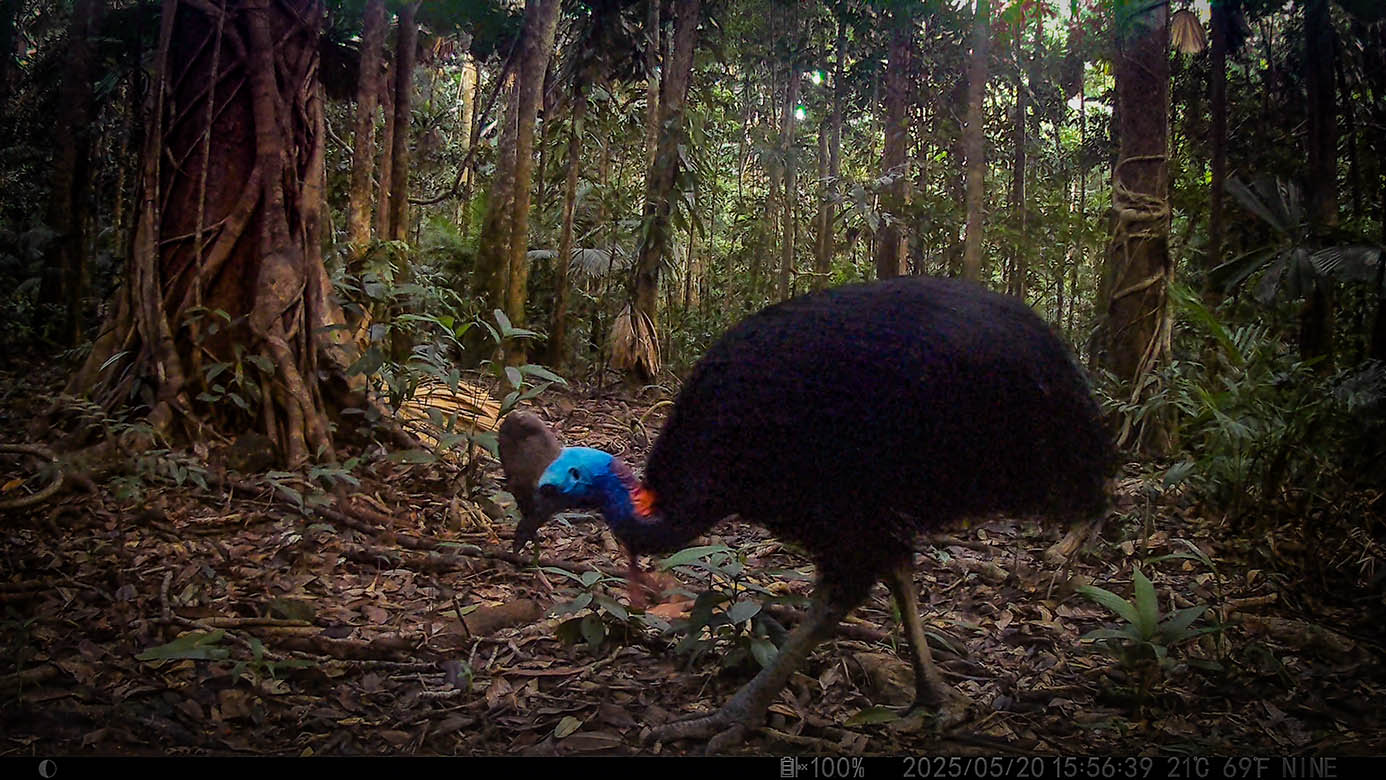
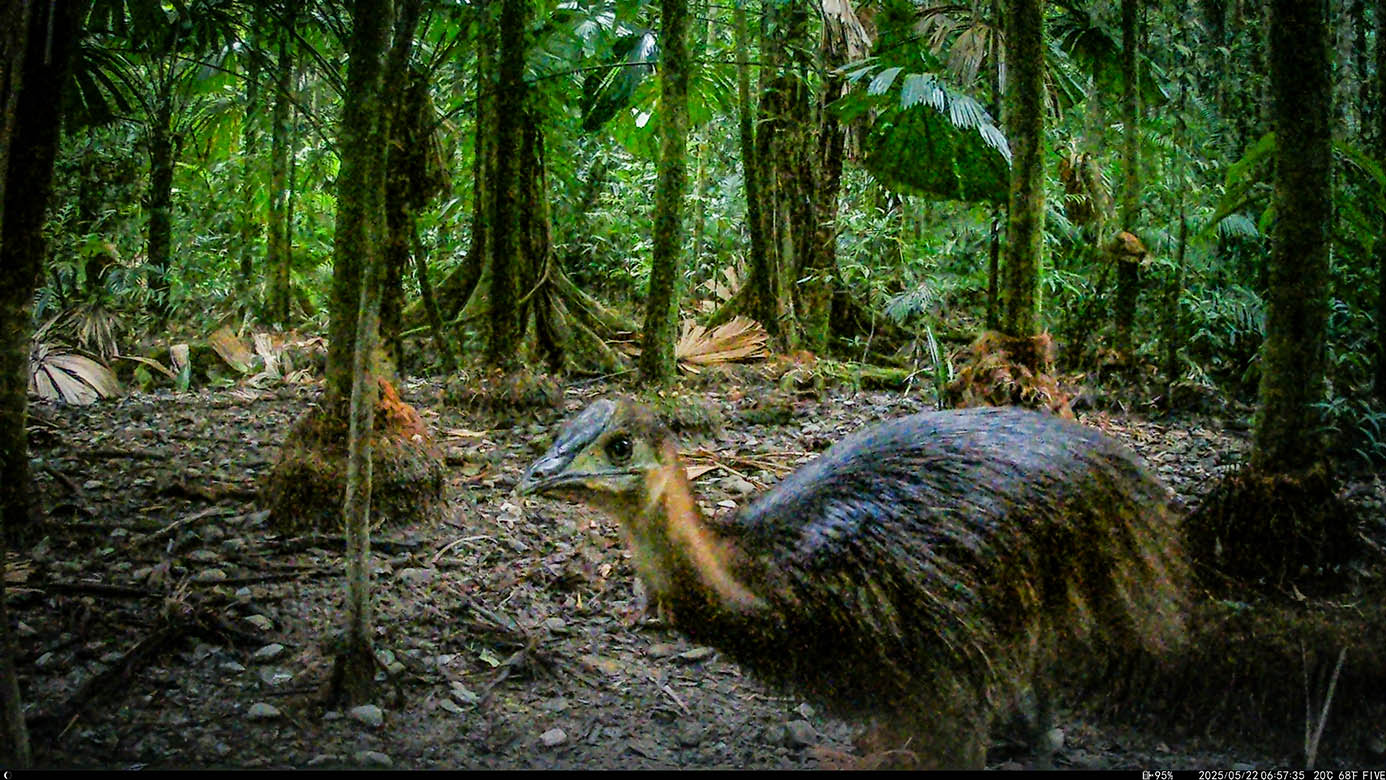
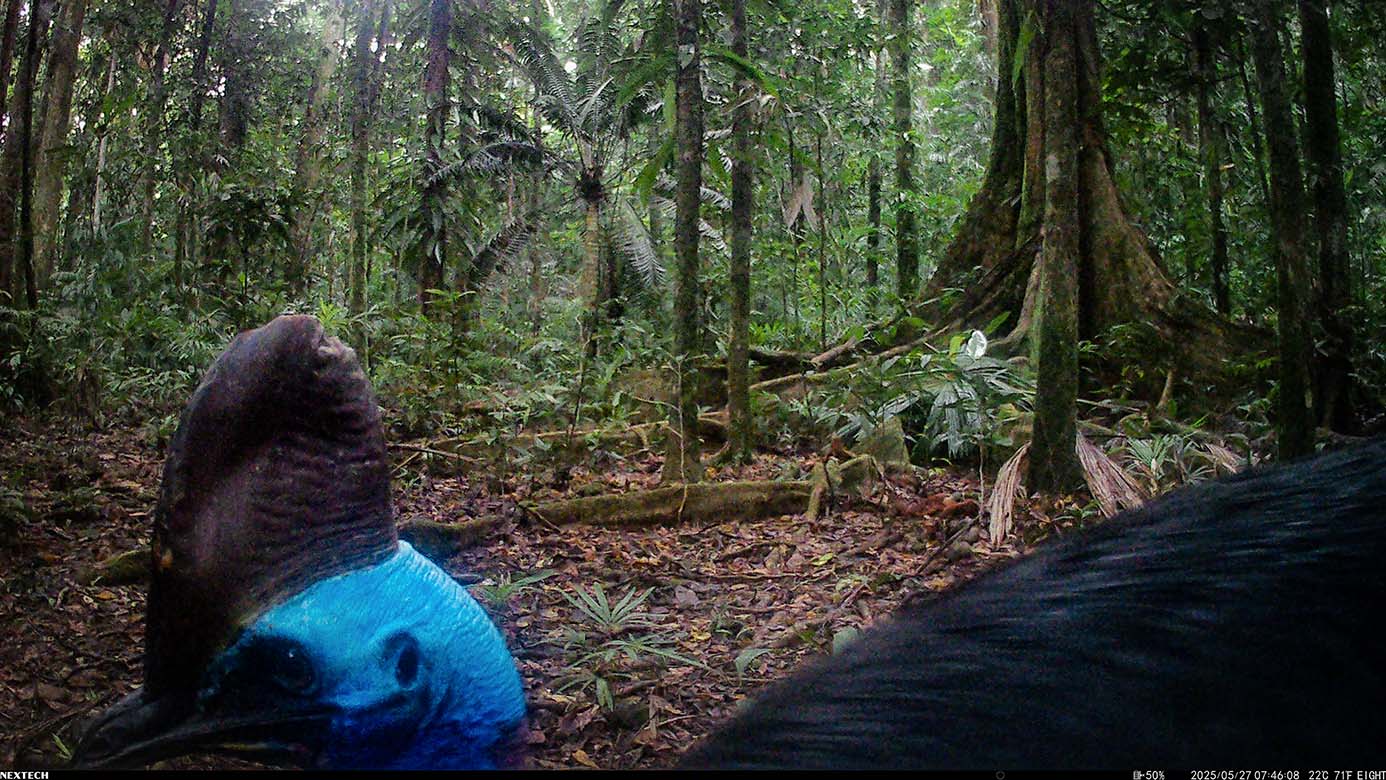
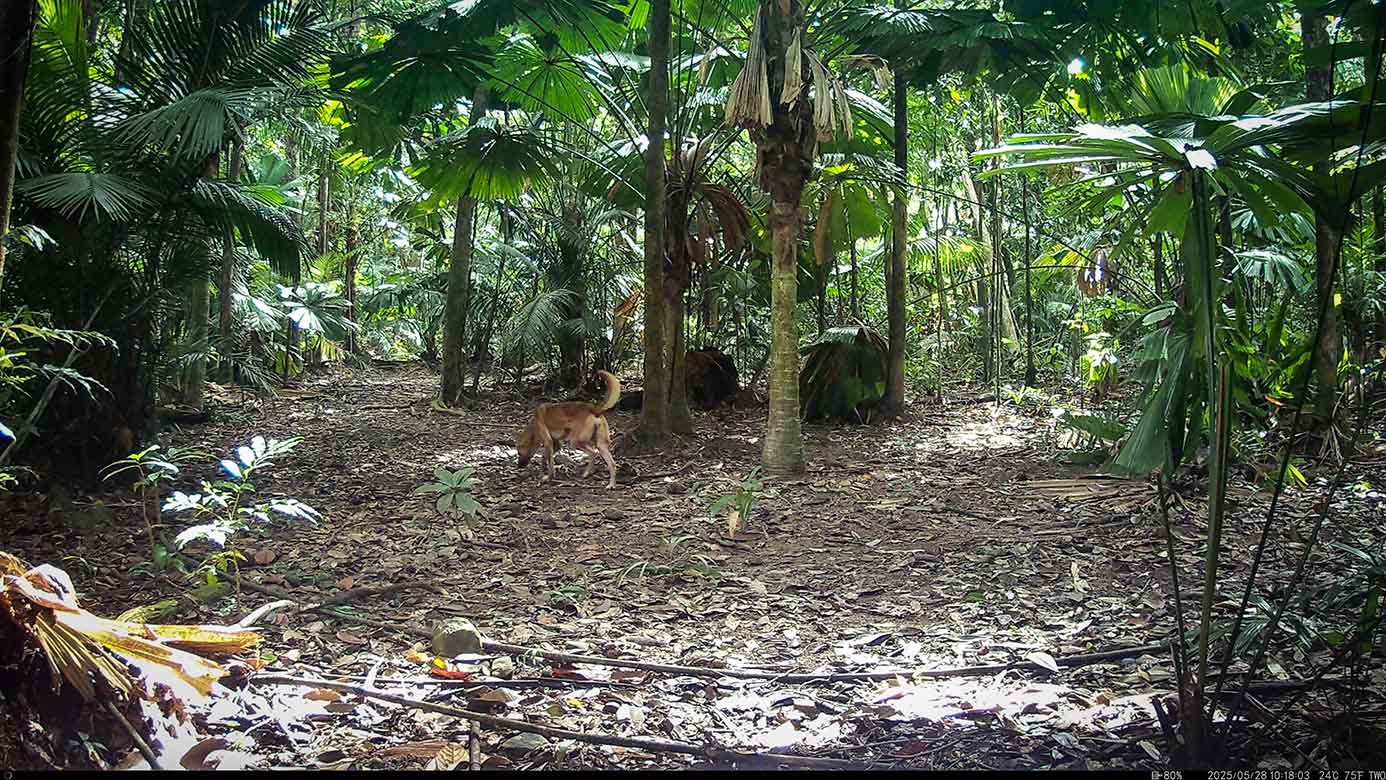
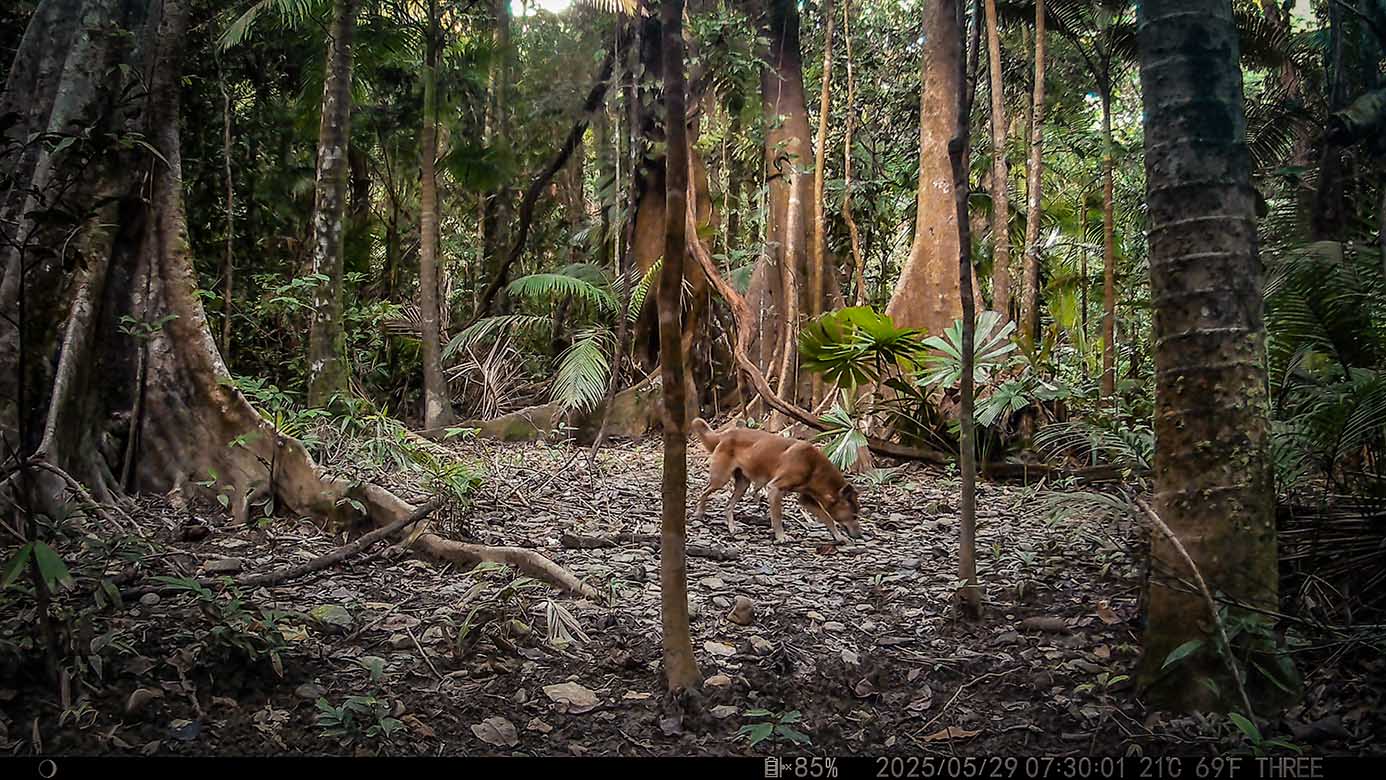
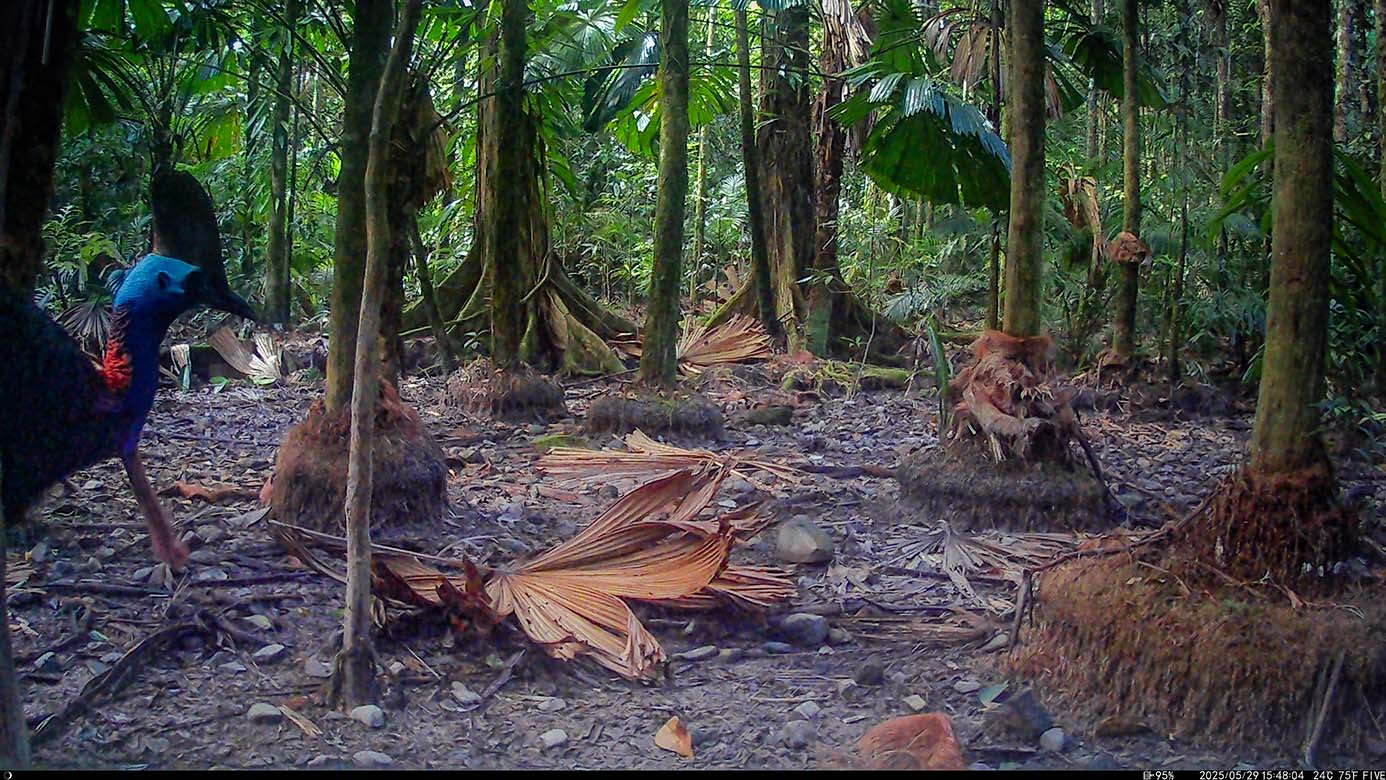
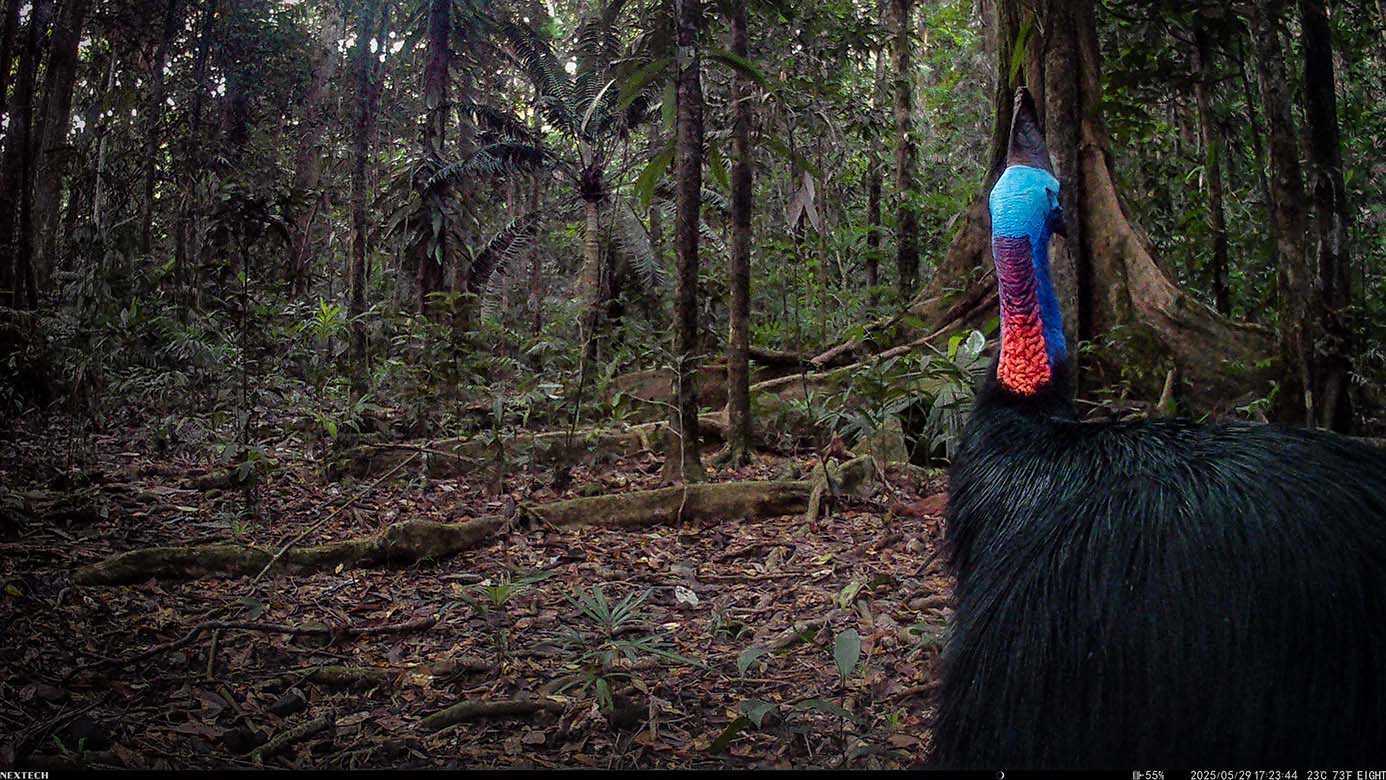
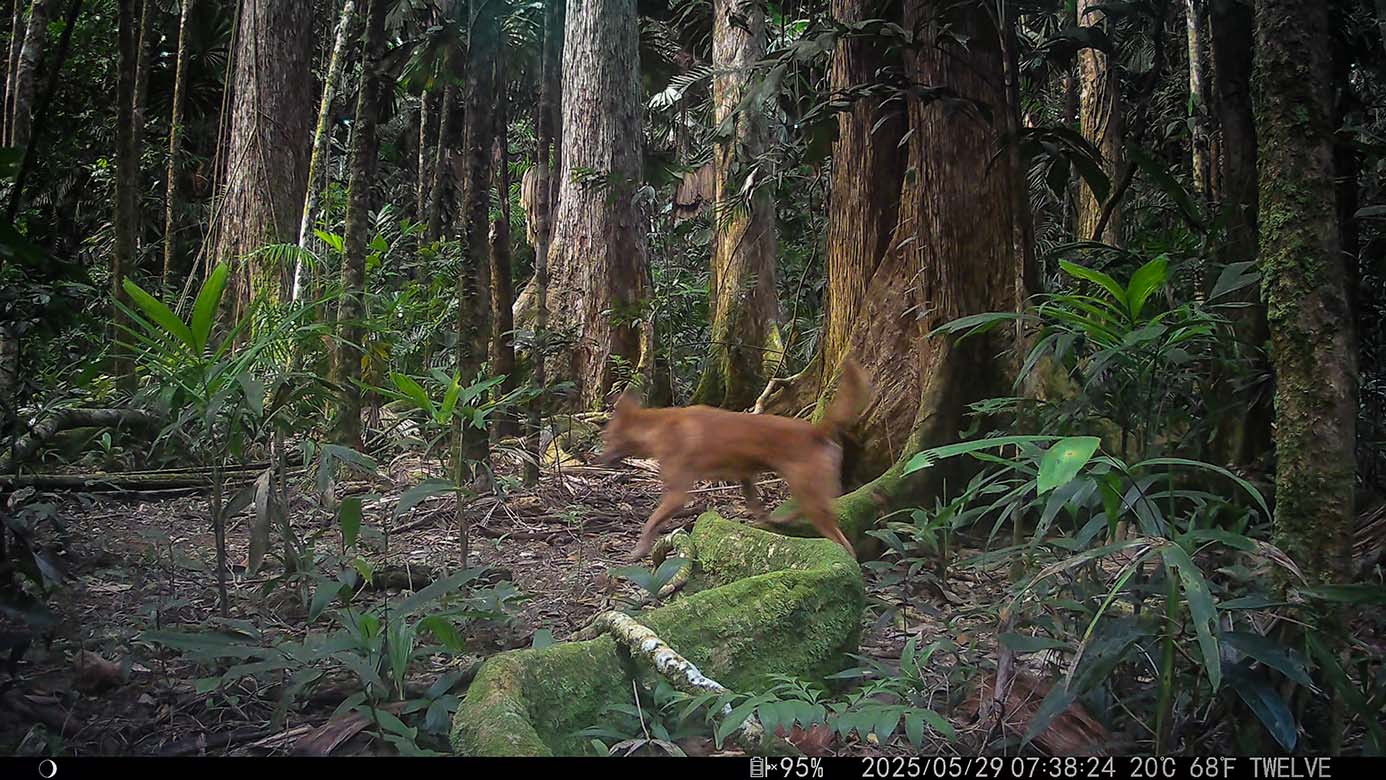
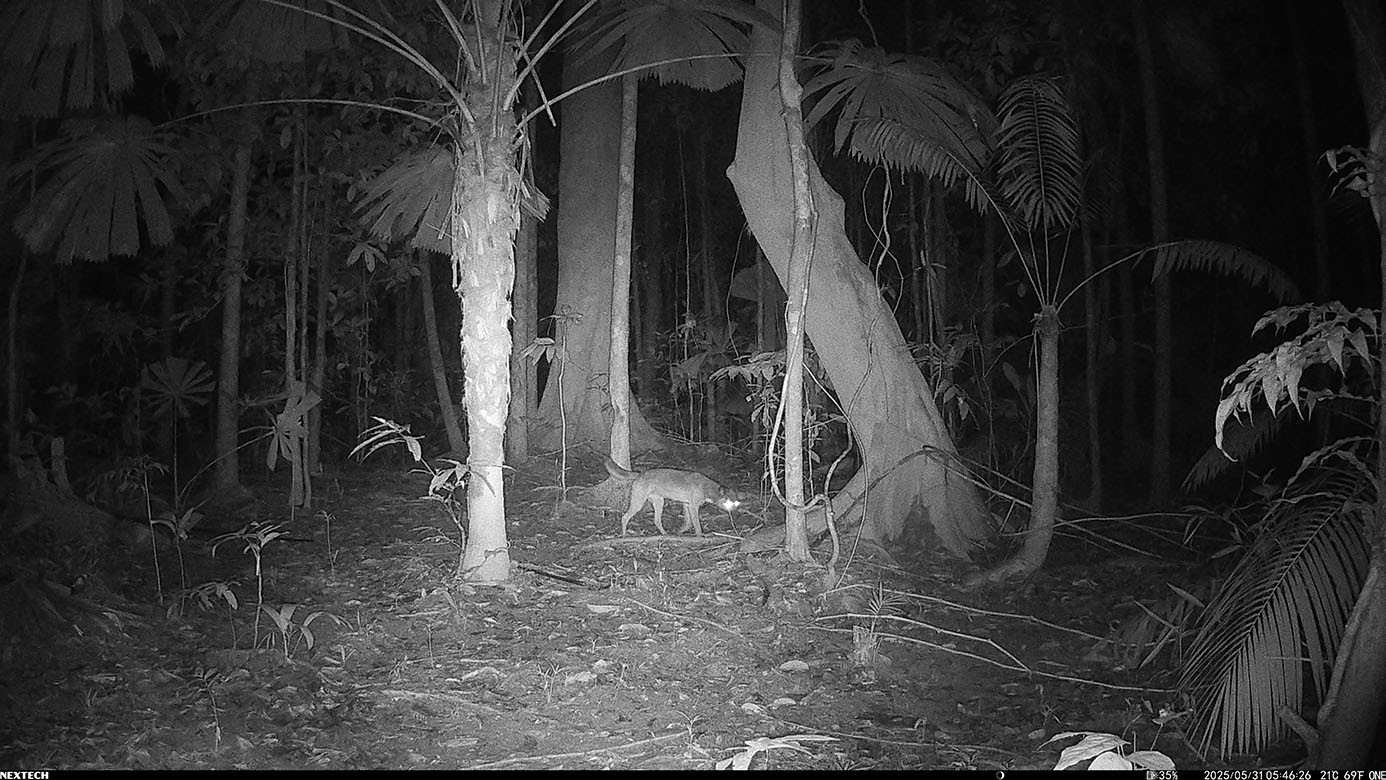
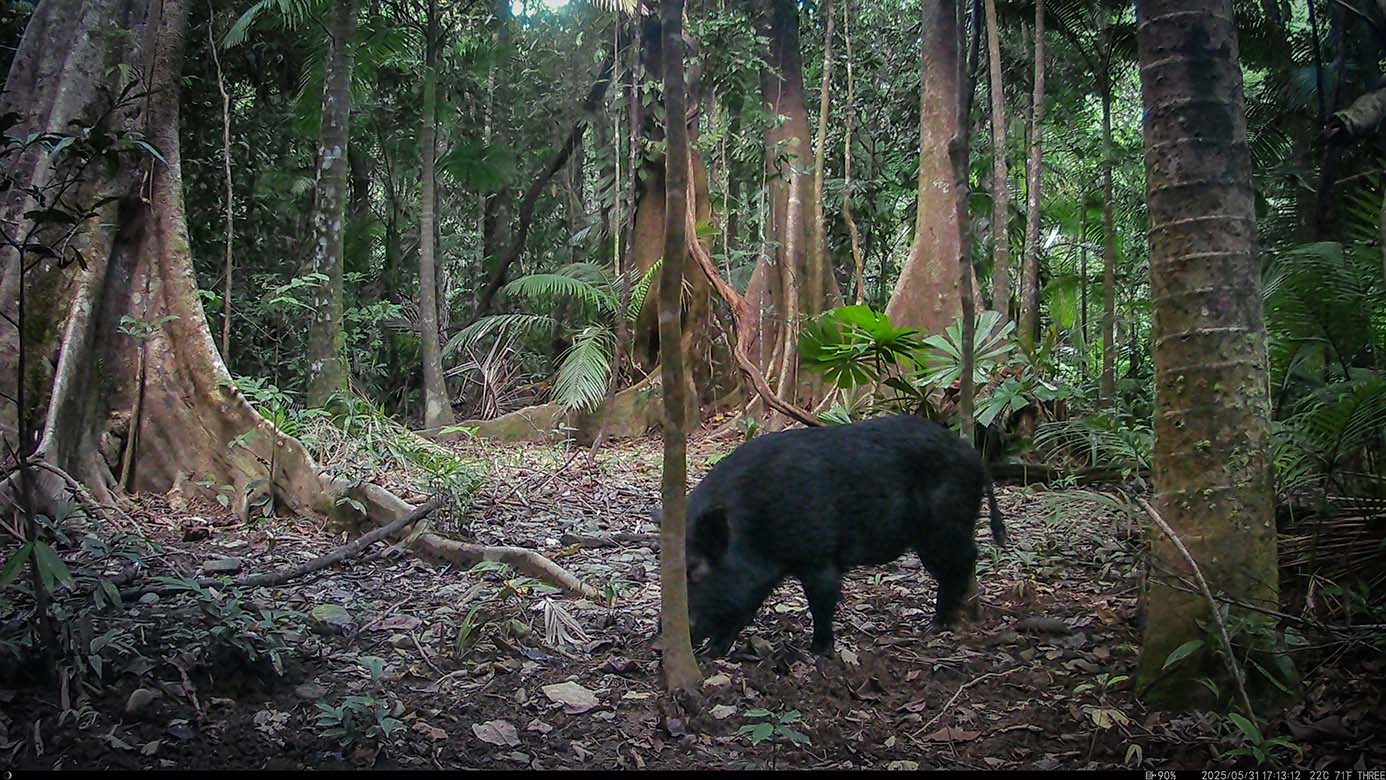
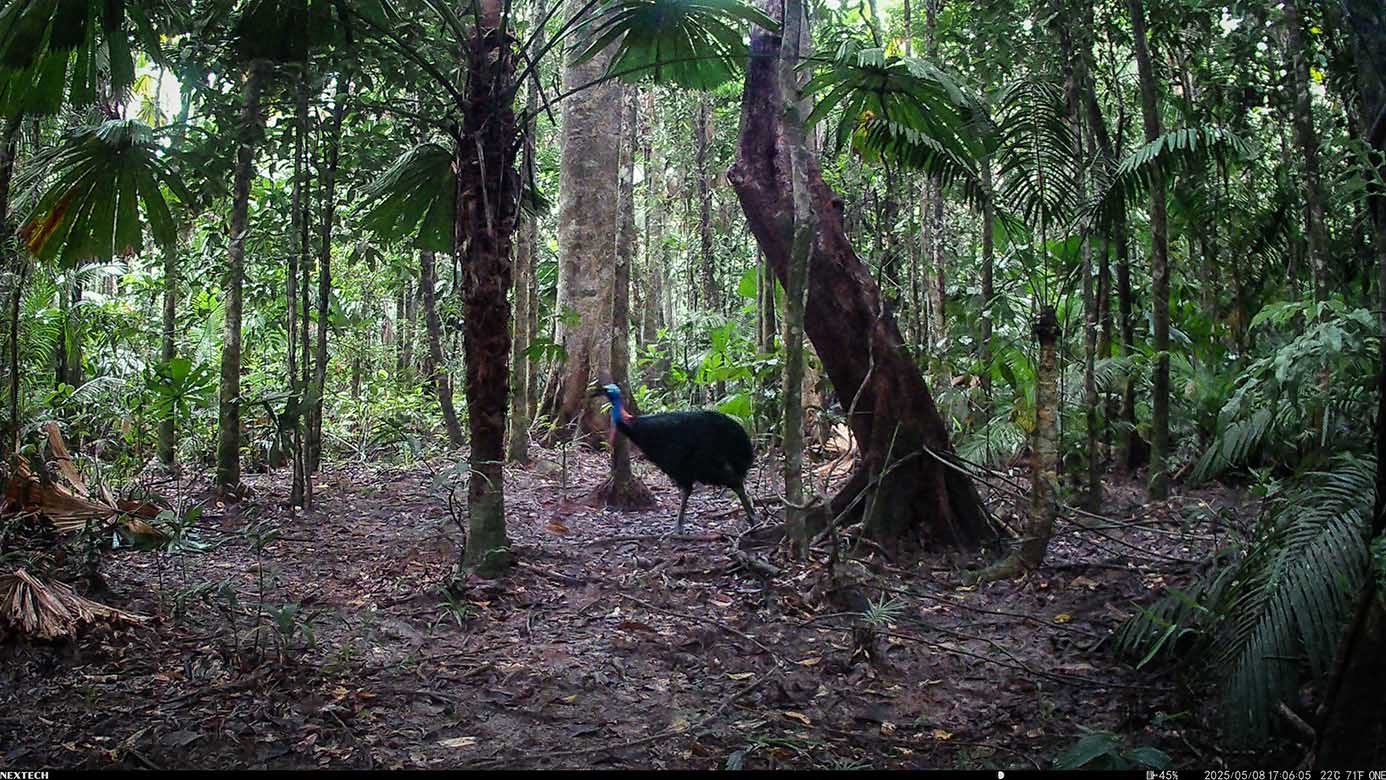
Keeping up with the cassowaries …
Manu & Baloo
Taiga & Alex …
One of either Michelangelo or Leonardo has turned out the be female …
A pair of healthy-looking Daintree World Heritage Dingoes …
Conservation of biological diversity and ecological integrity …
Australian governments have agreed to work collectively to achieve a national target to protect and conserve 30% of Australia’s land (including inland waters) and 30% of marine areas by 2030 (the 30 by 30 target). This will require another 7.5% of the national landscape to be added to the 22.5% already declared within the Protected Area Estate, amounting to two-and-a-half-times the State area of Victoria or one-third of the state area of Queensland.
In 2012, Queensland’s State Development, Infrastructure and Industry Committee’s Inquiry into the Future and Continued Relevance of Government Land Tenure, reported that almost three-quarters of all land, amounting to 118,420,876-hectares (worth $66 billion) was directly administered by the State, including 1,009 Protected Areas and State Forests, occupying 11,843,193-hectares (valued at $1.9-billion), whilst the remaining quarter of the State (valued at $453.4 billion) is held under freehold title.
A recent Conversation article, contends that protecting an extra half-percent of Australia’s land mass could slash the risk to hundreds of species approaching the point of no return. Clearly, both the 30 by 30 target and also the authors of this recent report believe that declaration of land into the Protected Area has conservation advantage and for a great many people, this is also a widely held expectation.
However, once a species is listed under the EPBC Act, its recovery is promoted using conservation advice, recovery plans and the EPBC Act’s assessment and approval provisions. Listed threatened species are matters of National Environmental Significance (protected matters) and a person must not take an action that has, will have, or is likely to have, a significant impact on a listed threatened species without approval from the Minister via an environmental assessment and approval process.
Also, when considering the plight of the Endangered Southern Cassowary, arguably the most valuable and irreplaceable species in the world (in terms of cascading extinctions that would follow its demise) and the quality of its protection within the most irreplaceable World Heritage property in the world per-unit-area, the pestilence of an estimated 28,000-feral-pigs makes a mockery of any real protection, whilst this long-term camera trap project has shown that cassowary sightings are currently declining whilst feral-pig numbers are increasing at three-times the rate.