
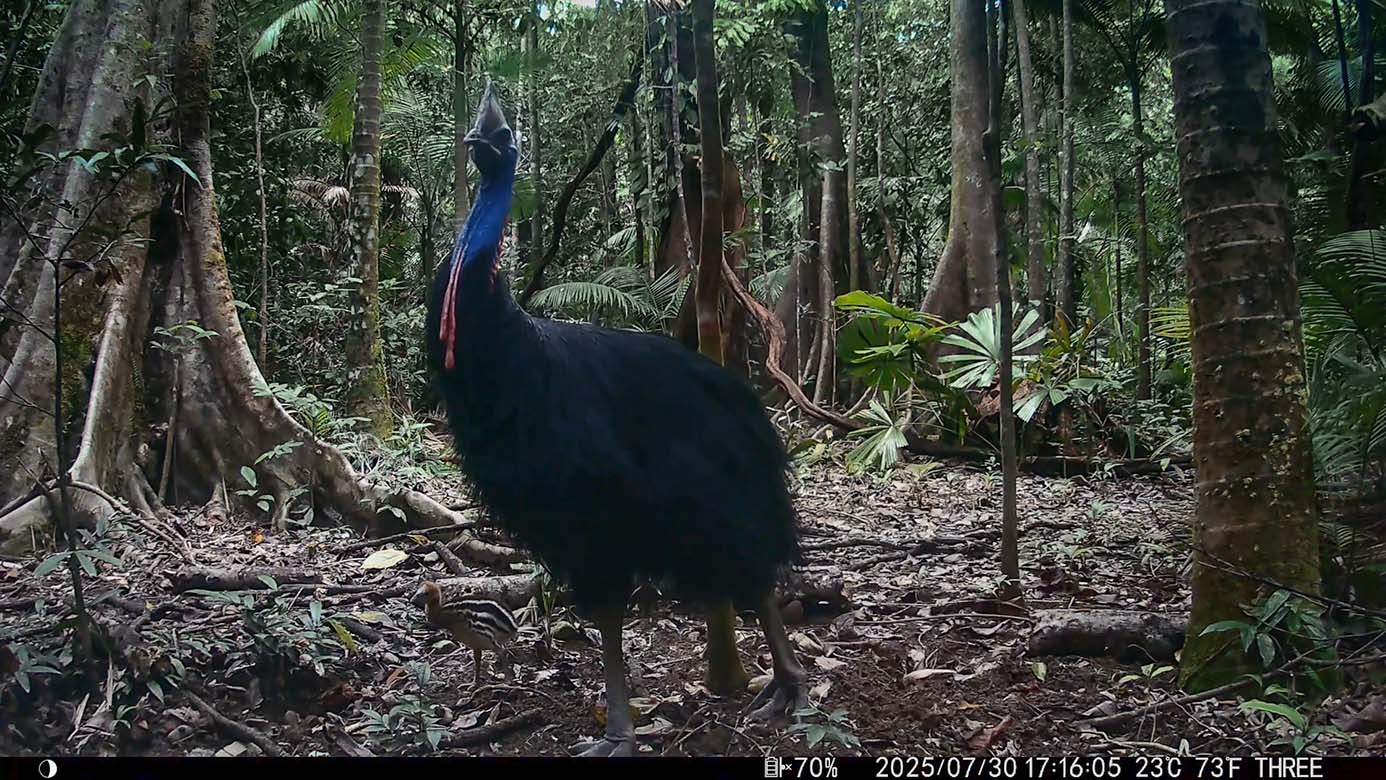
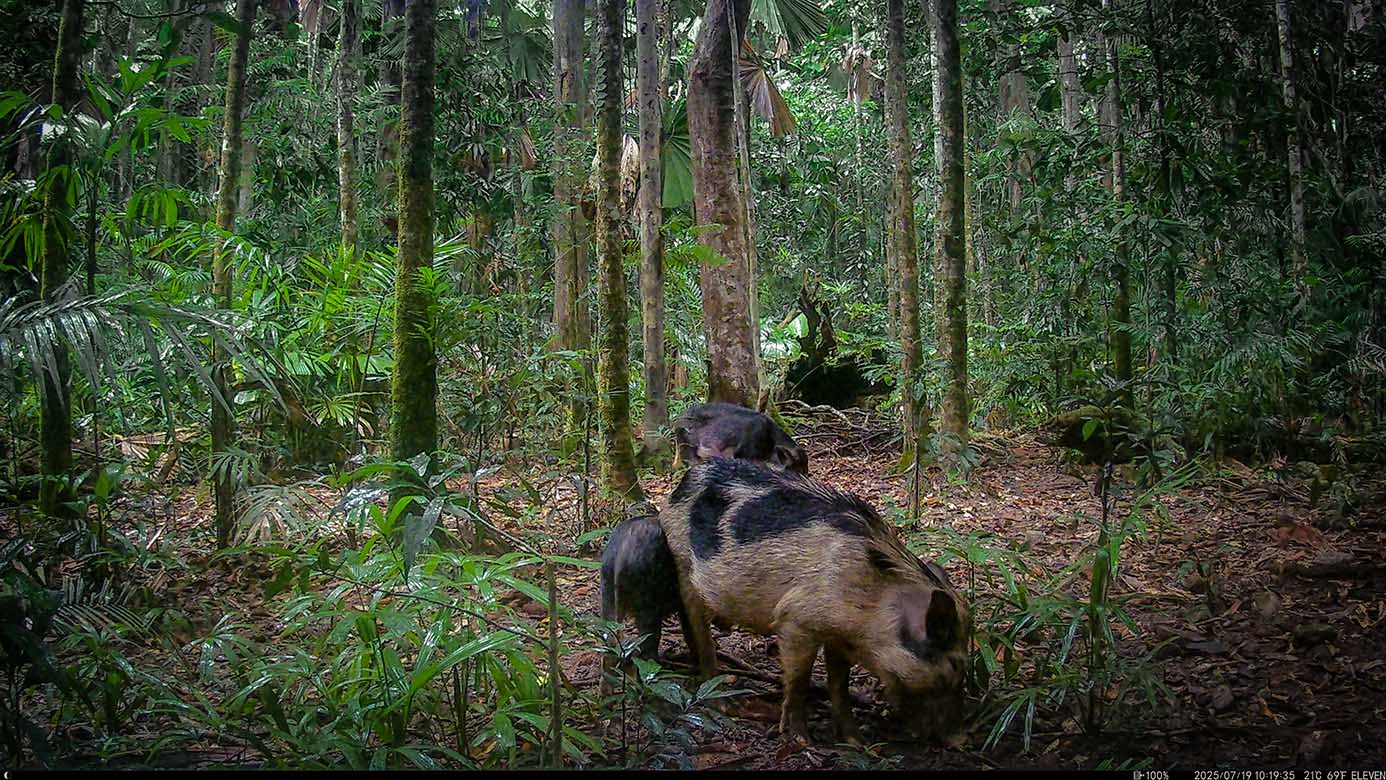
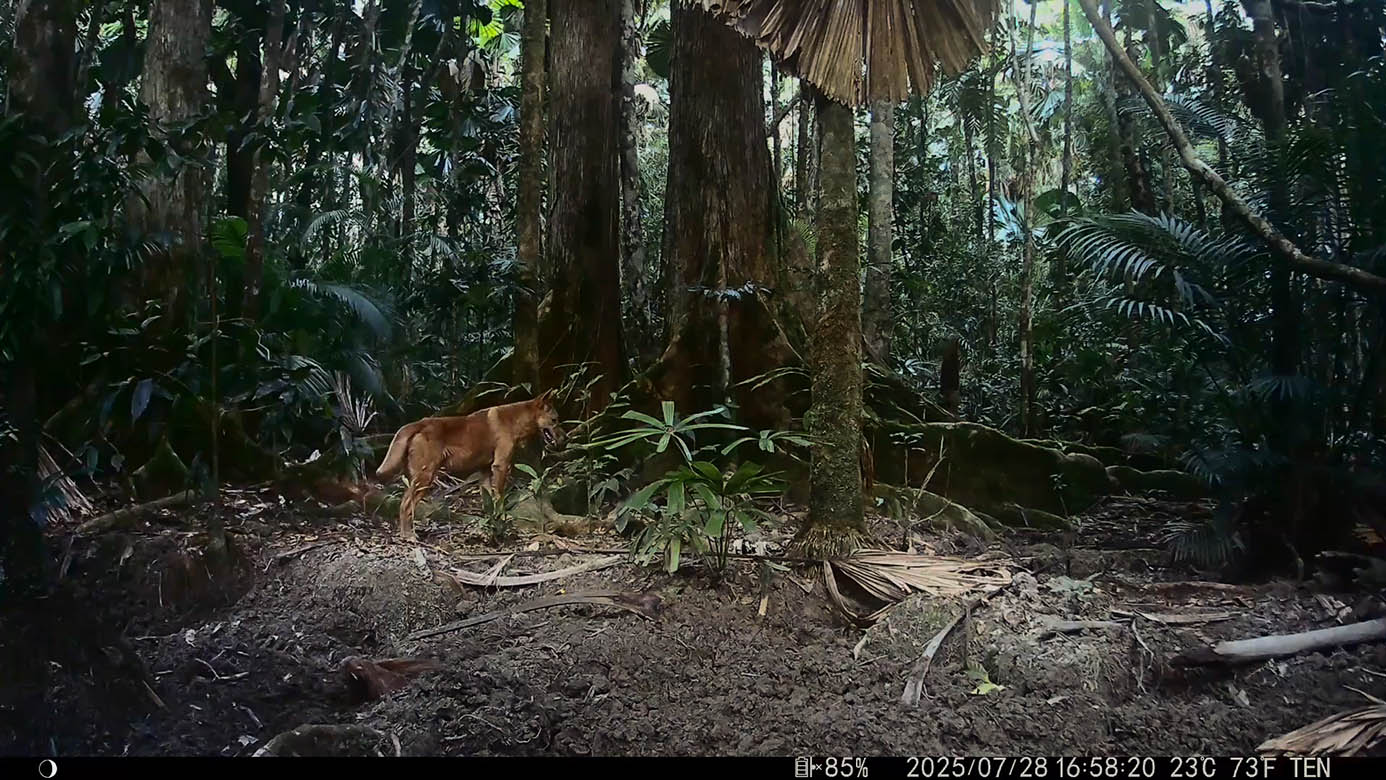
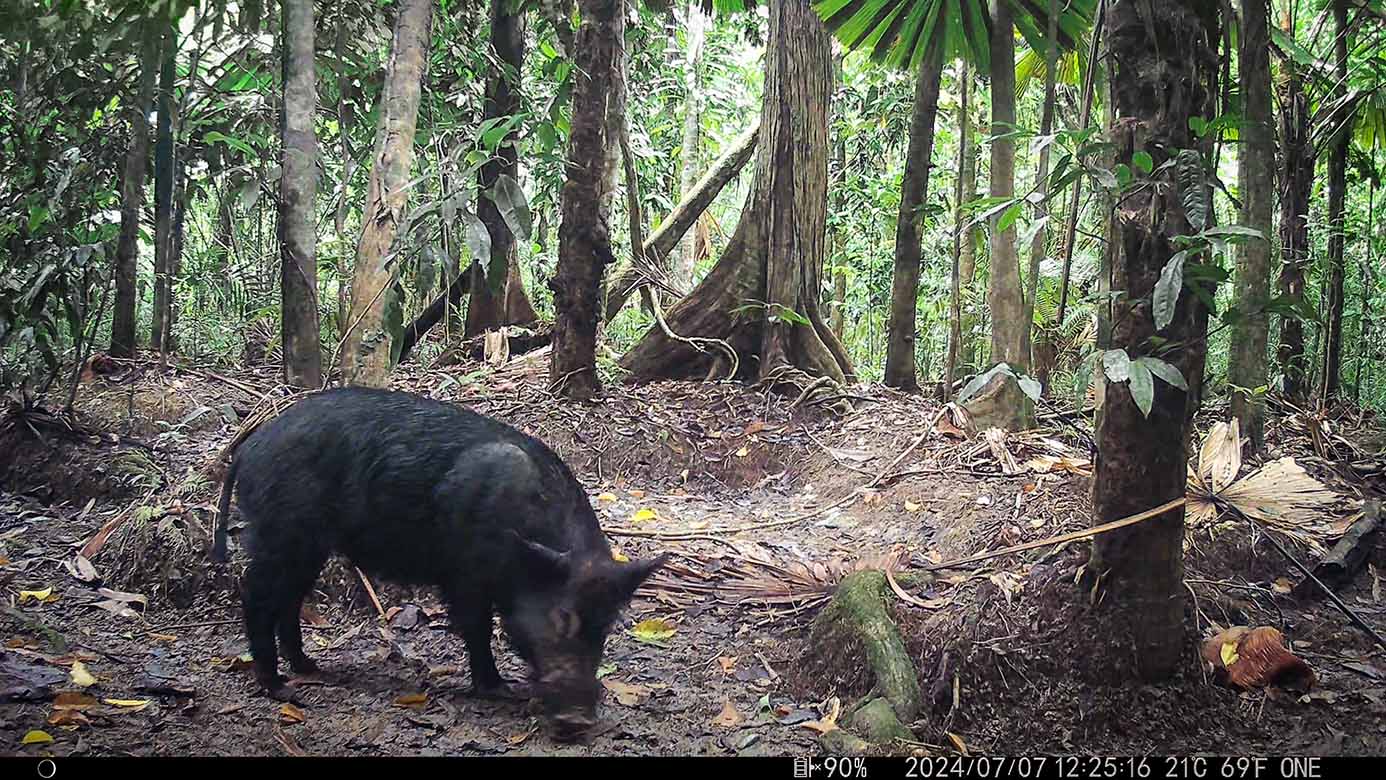
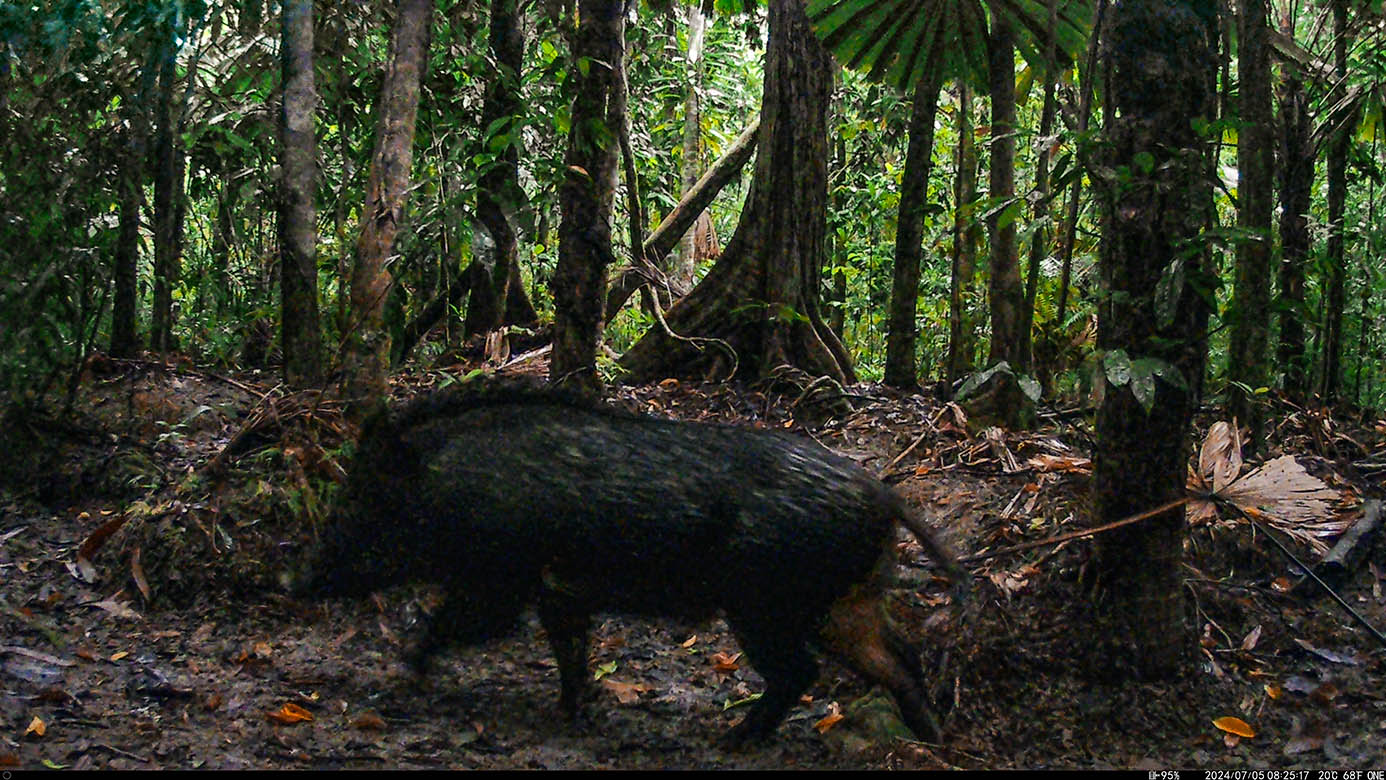
Camera Traps – July 2025 accrued 48-cassowary sightings, 39-dingoes and 81-feral pigs. Against the cumulative monthly average, cassowary numbers fell by 53%, dingoes diminished by 4% and feral-pigs dropped by 64%. Against July 2024, cassowaries dropped by 56%, dingoes also fell by 37% and feral-pigs plummeted by 94%.
JULY 2025 – IMAGE HIGHLIGHTS
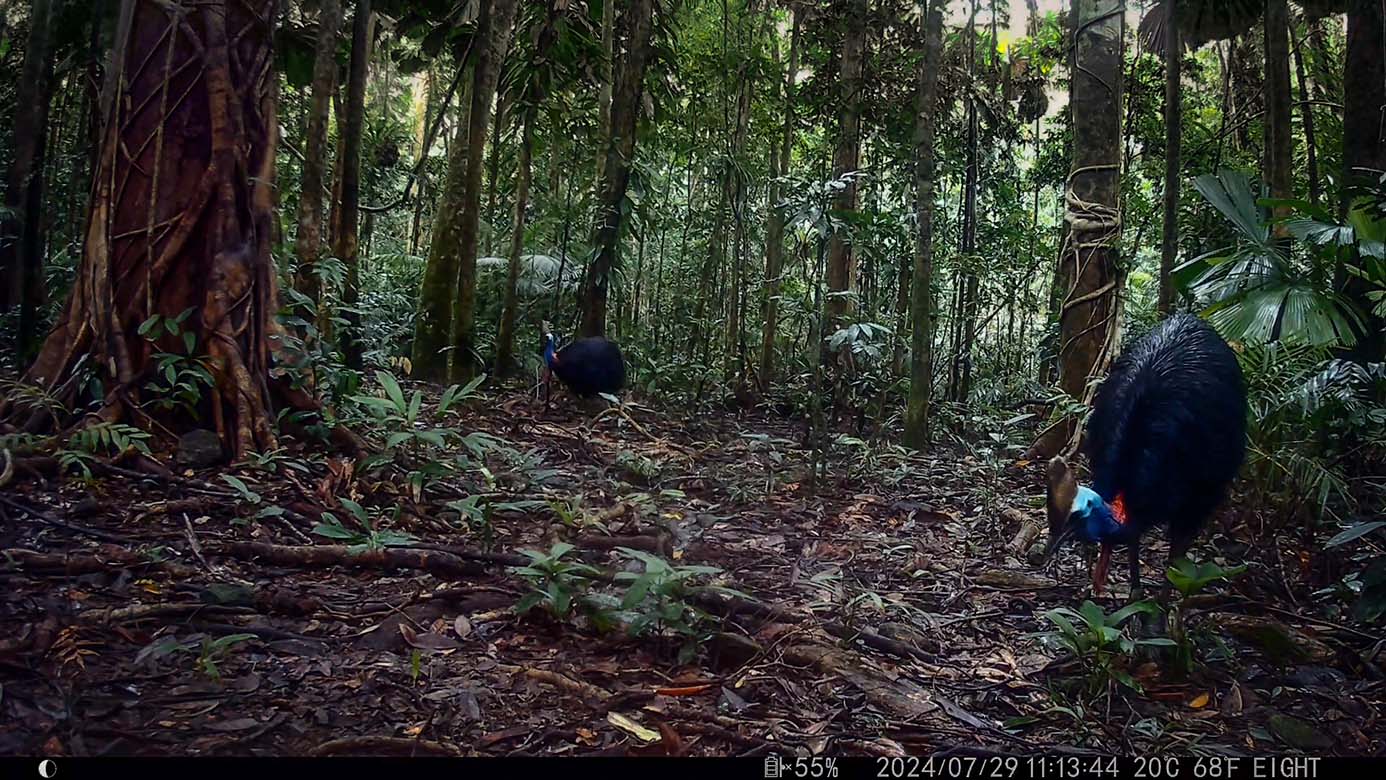
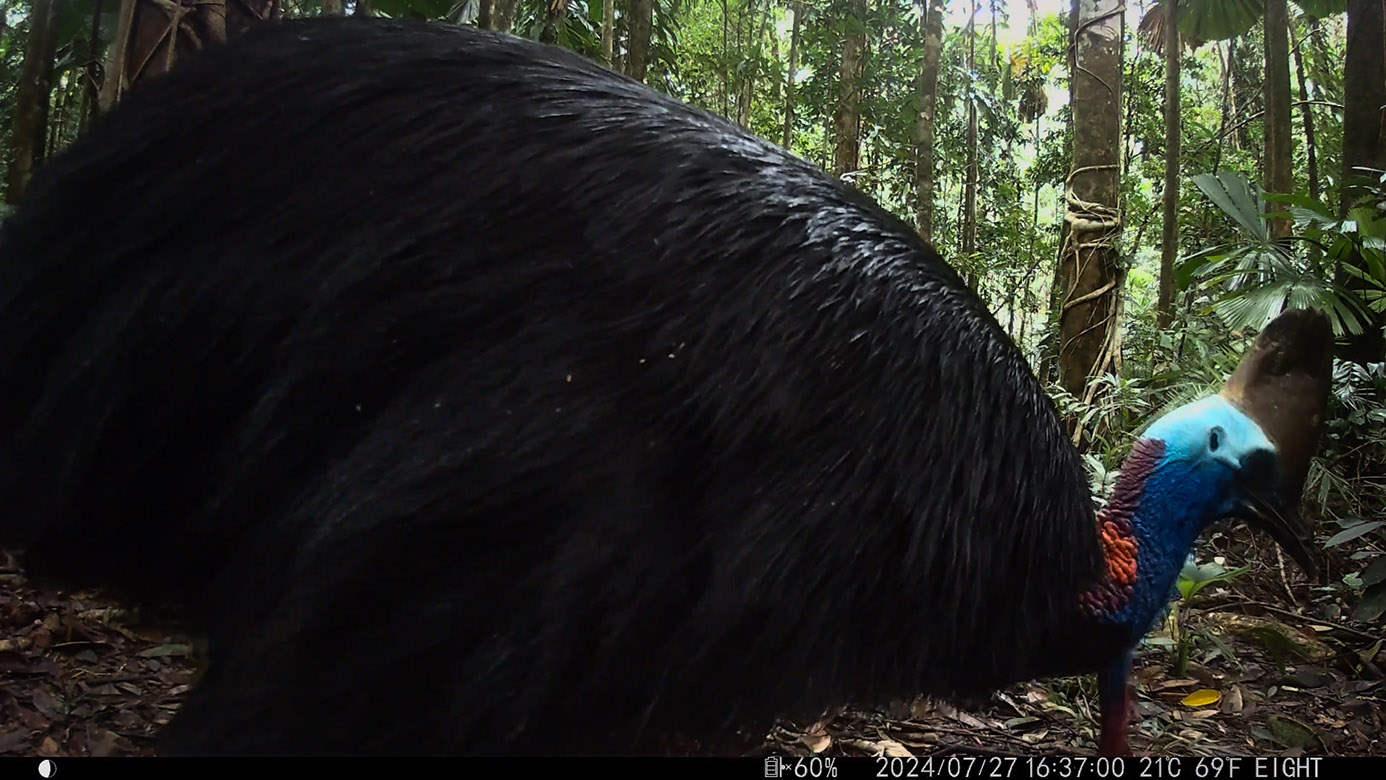
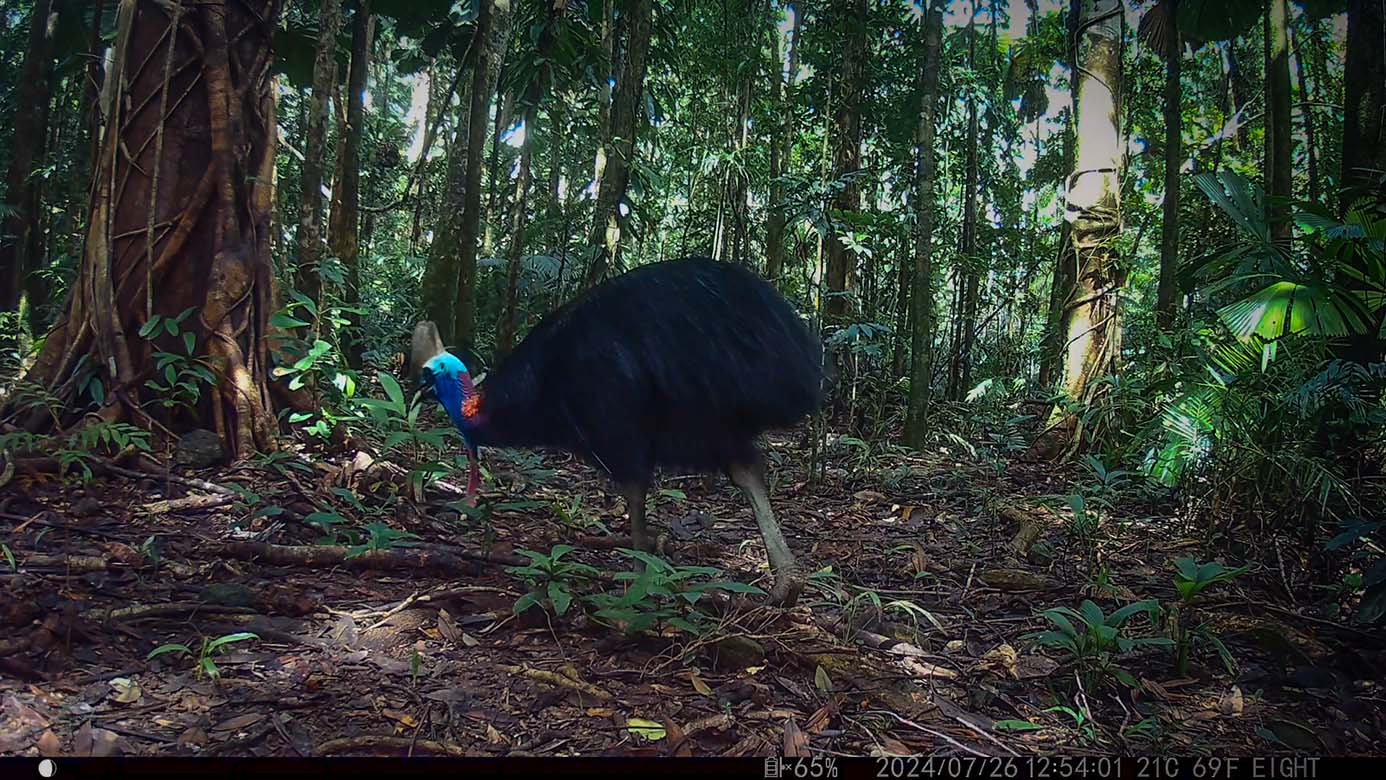
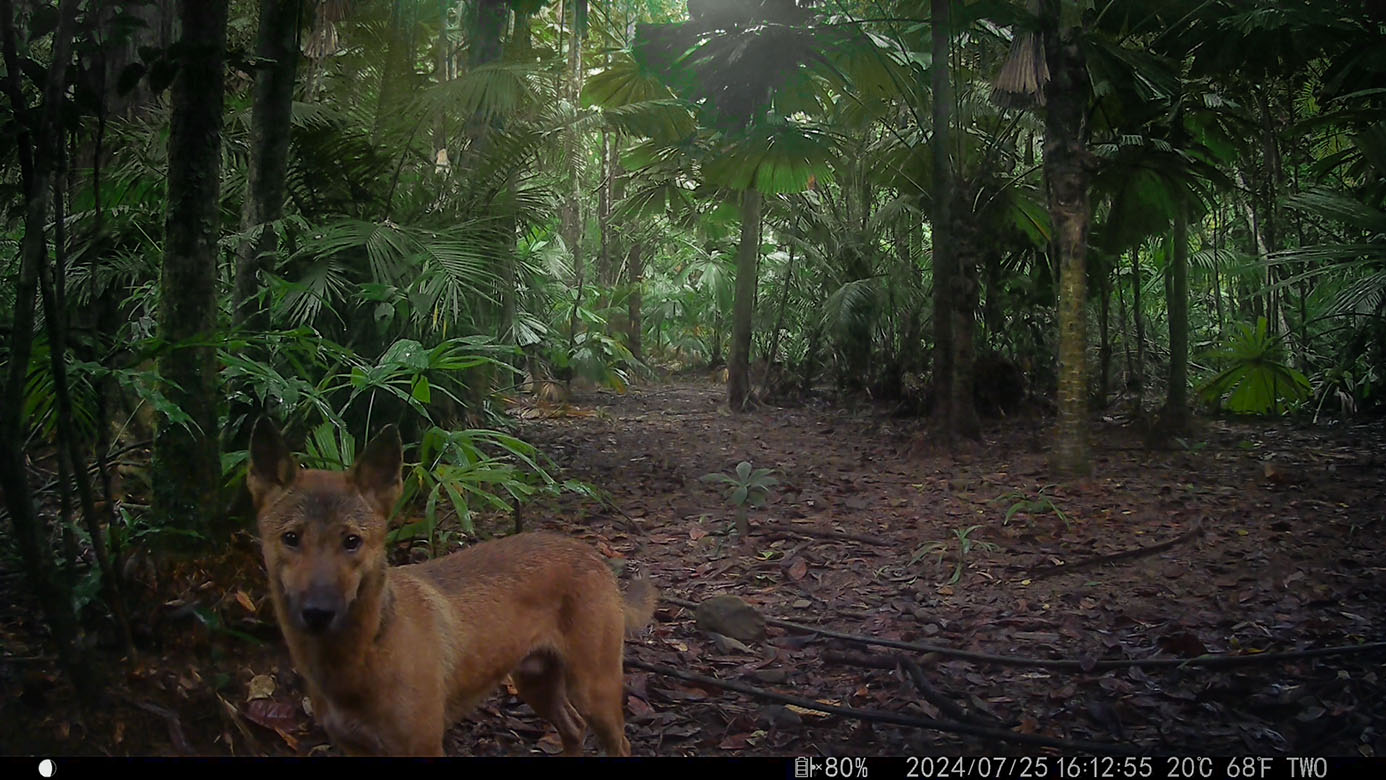
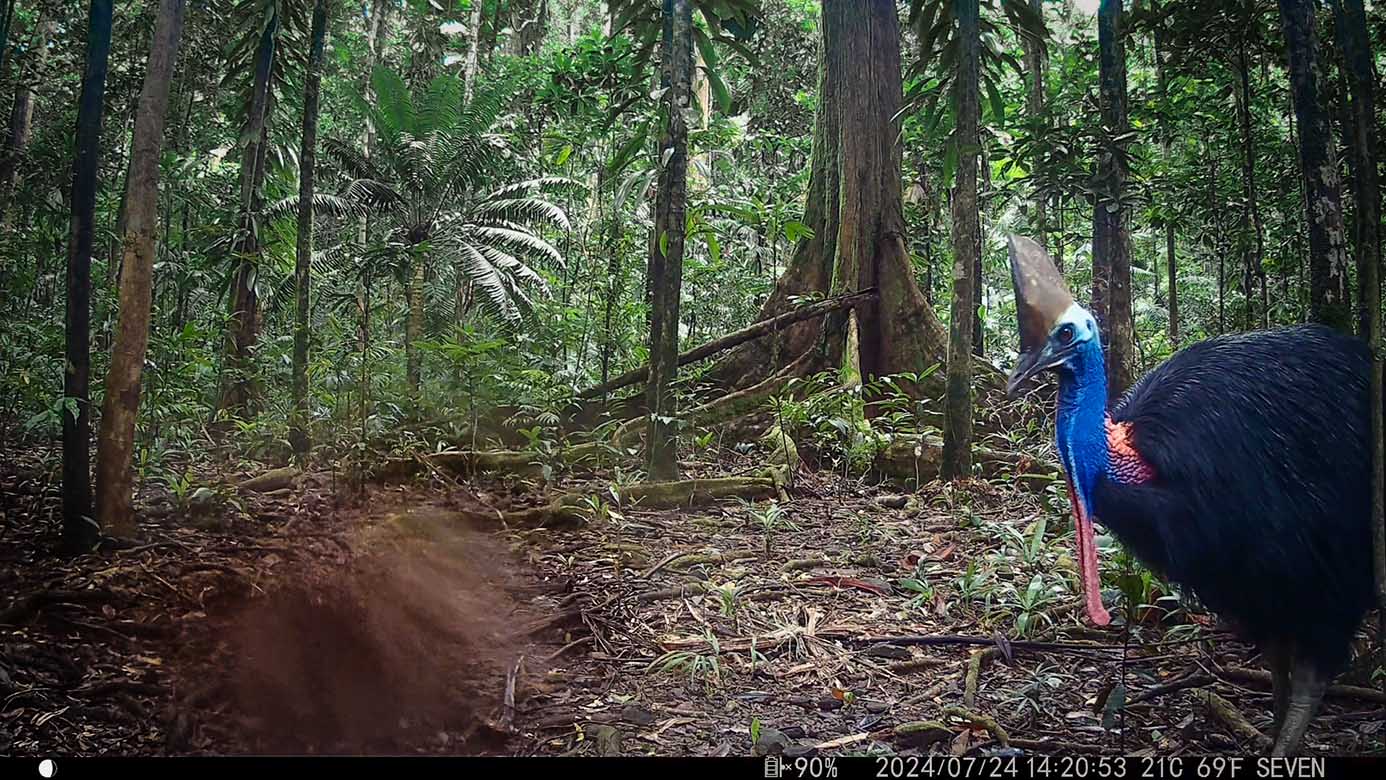
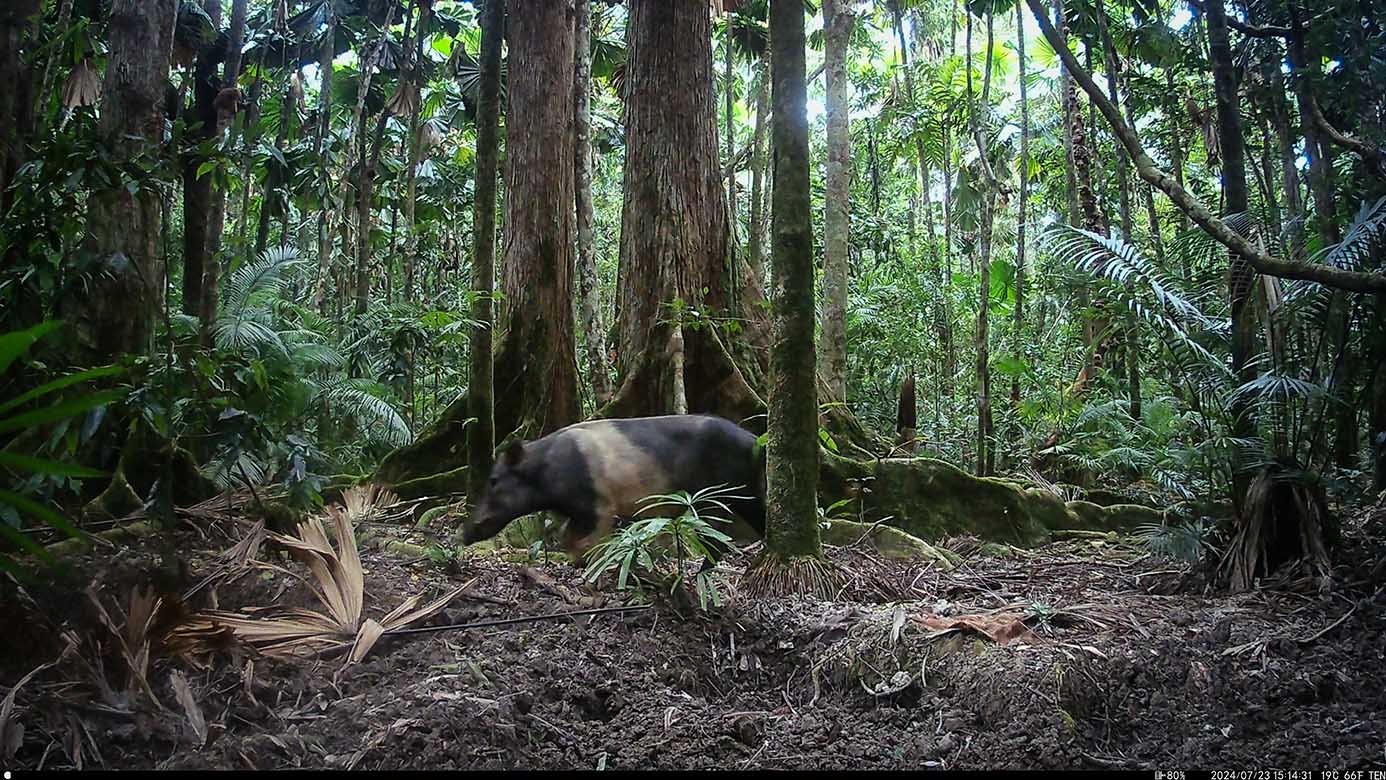

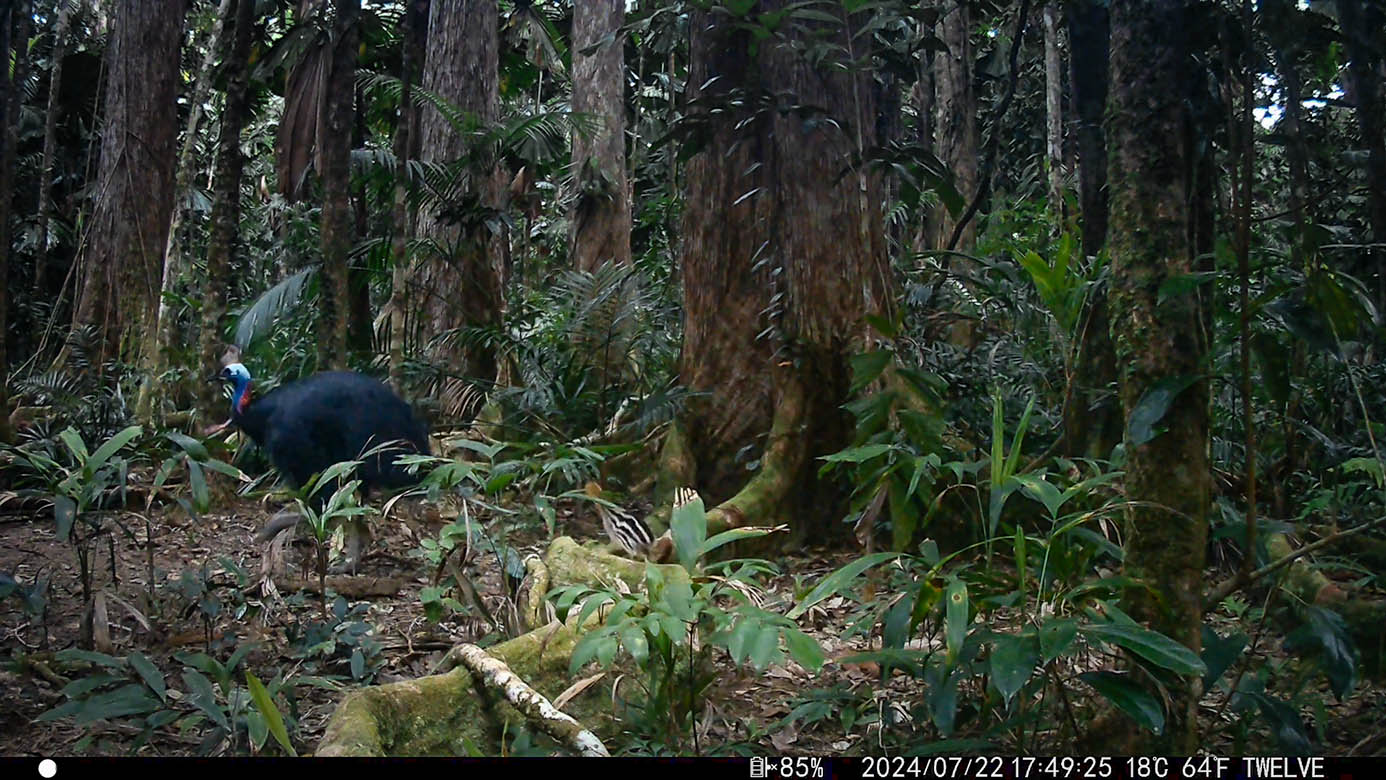
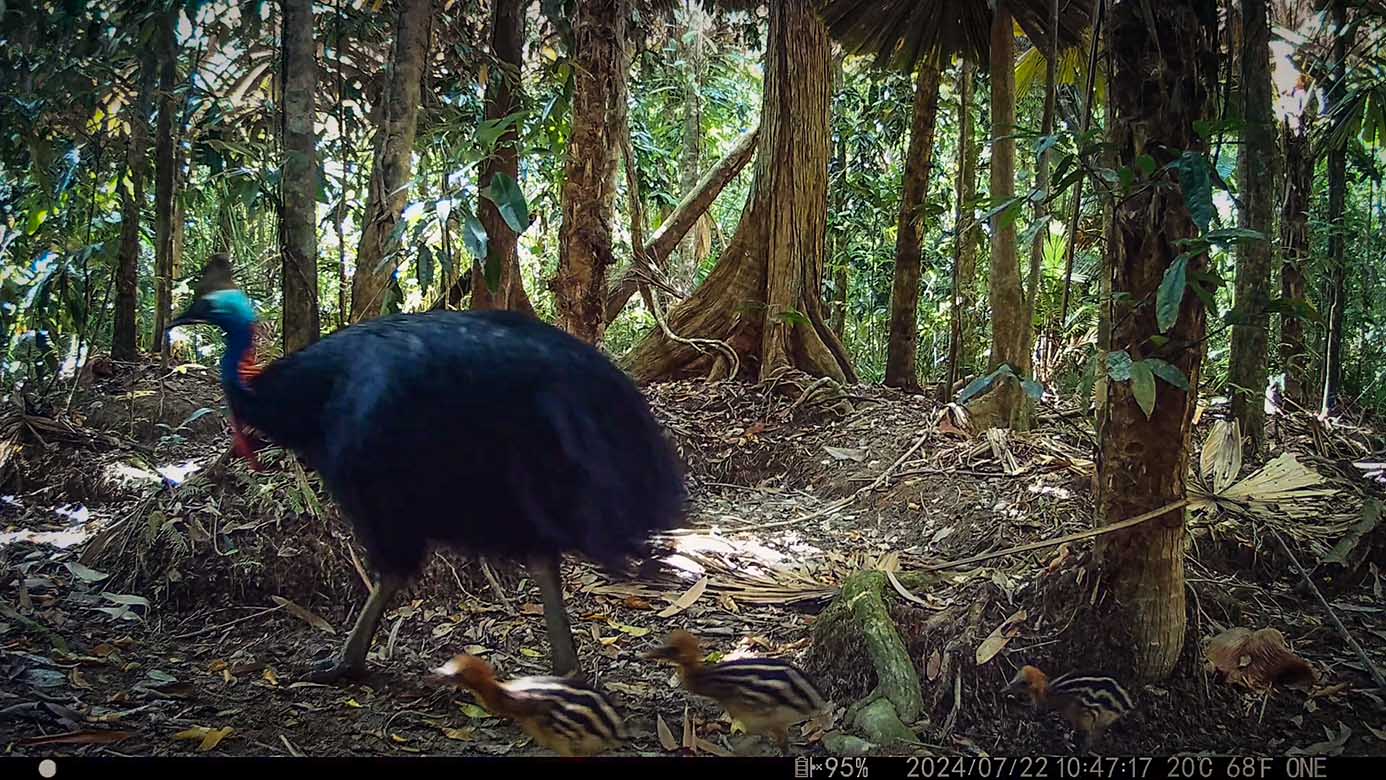
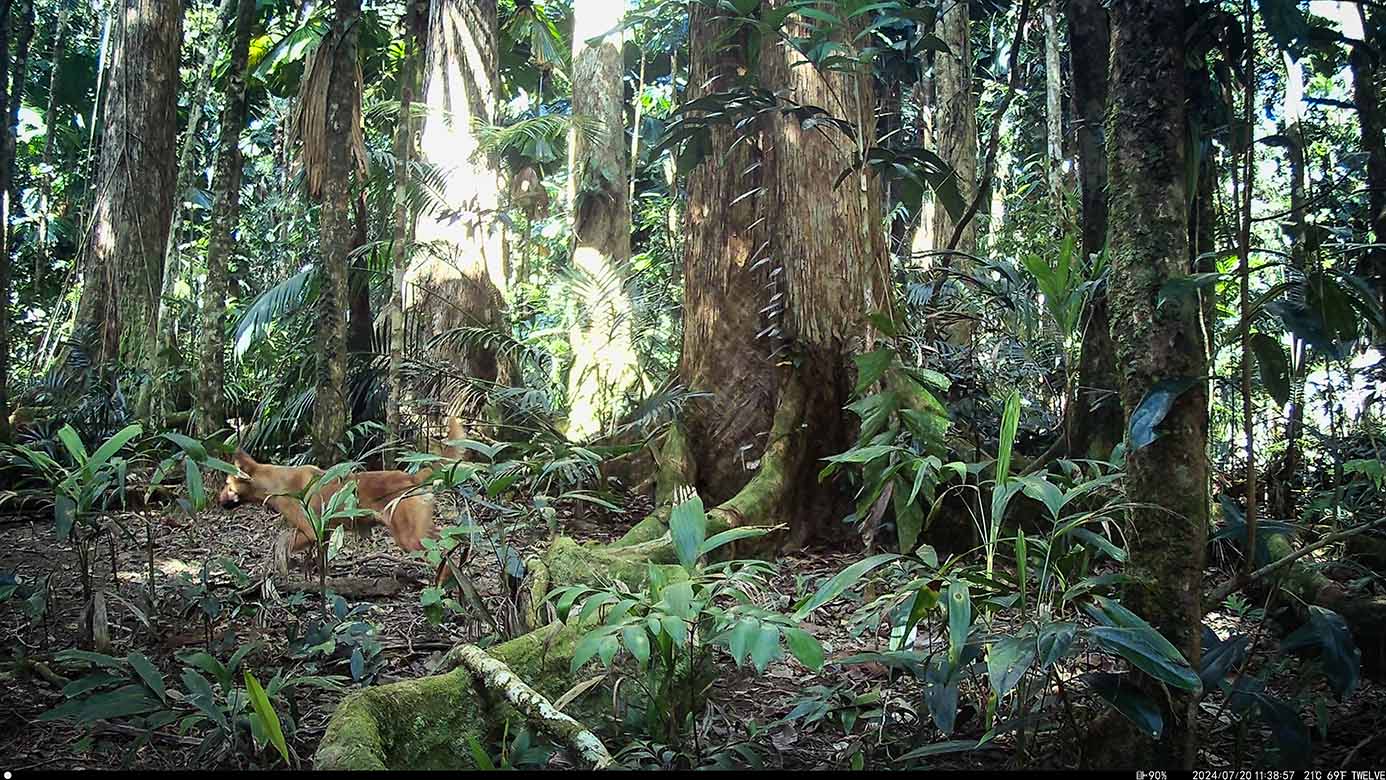
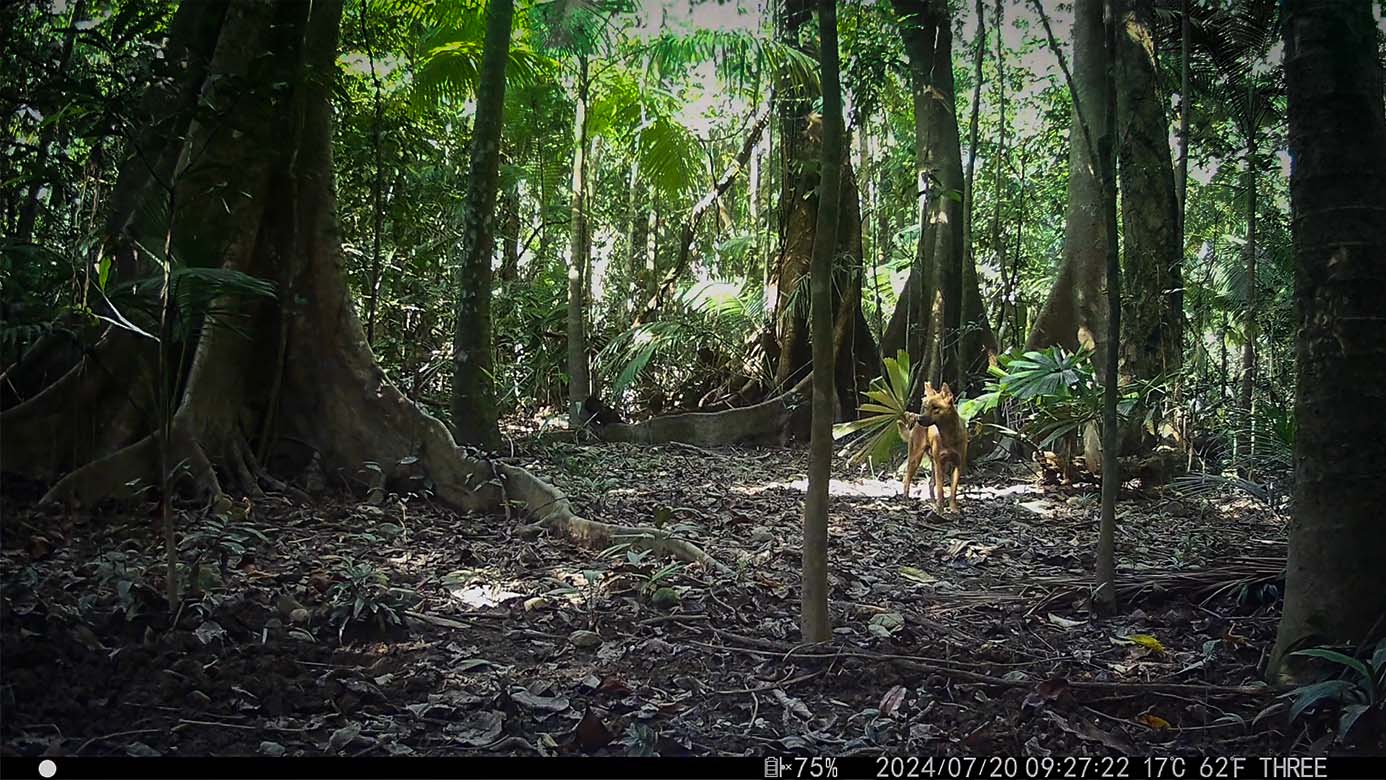
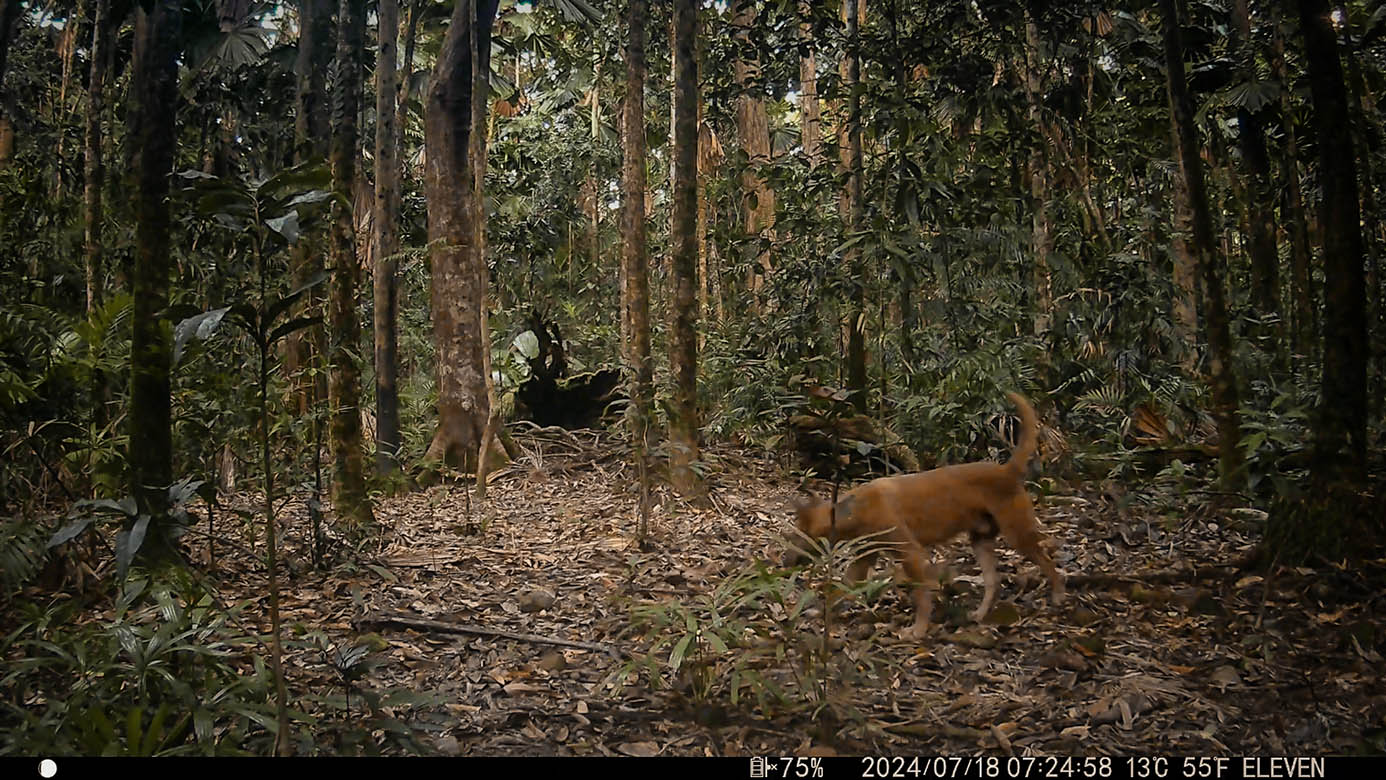
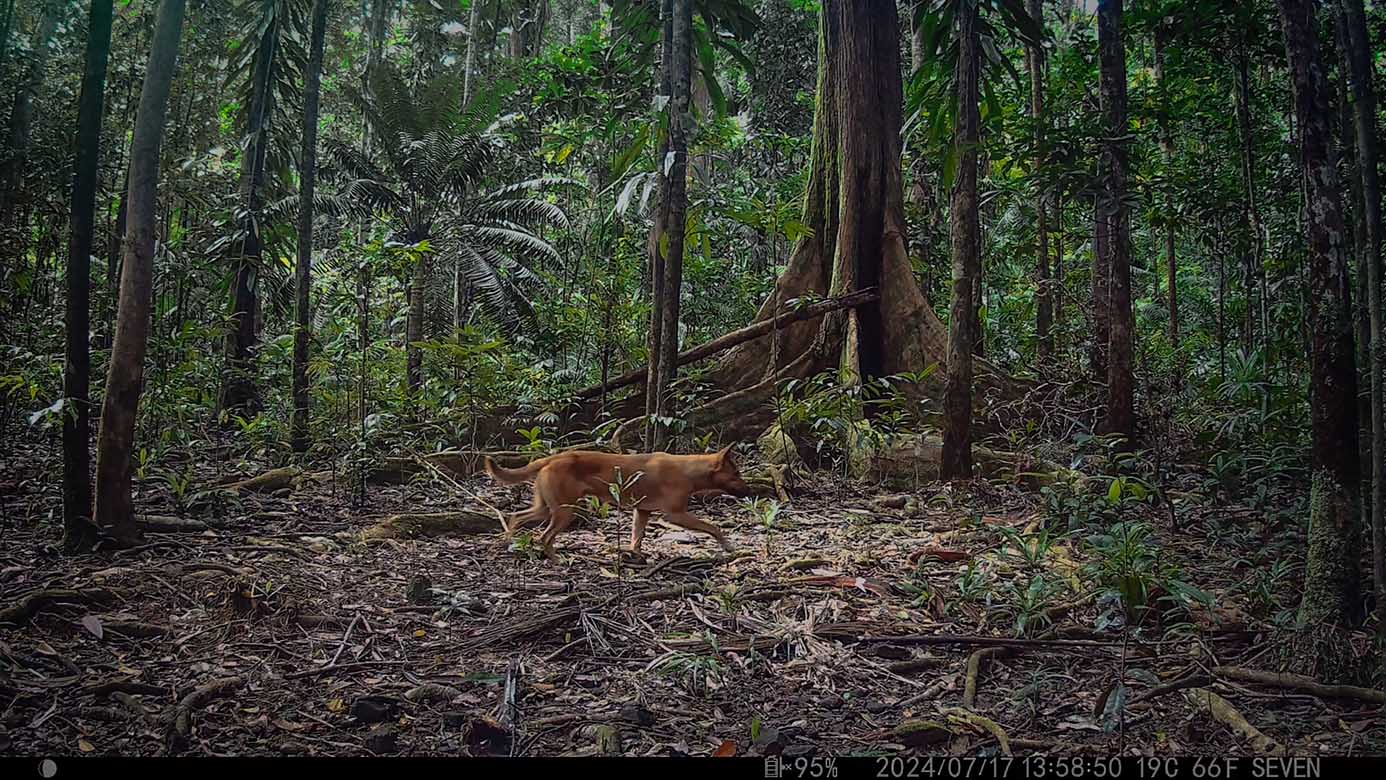
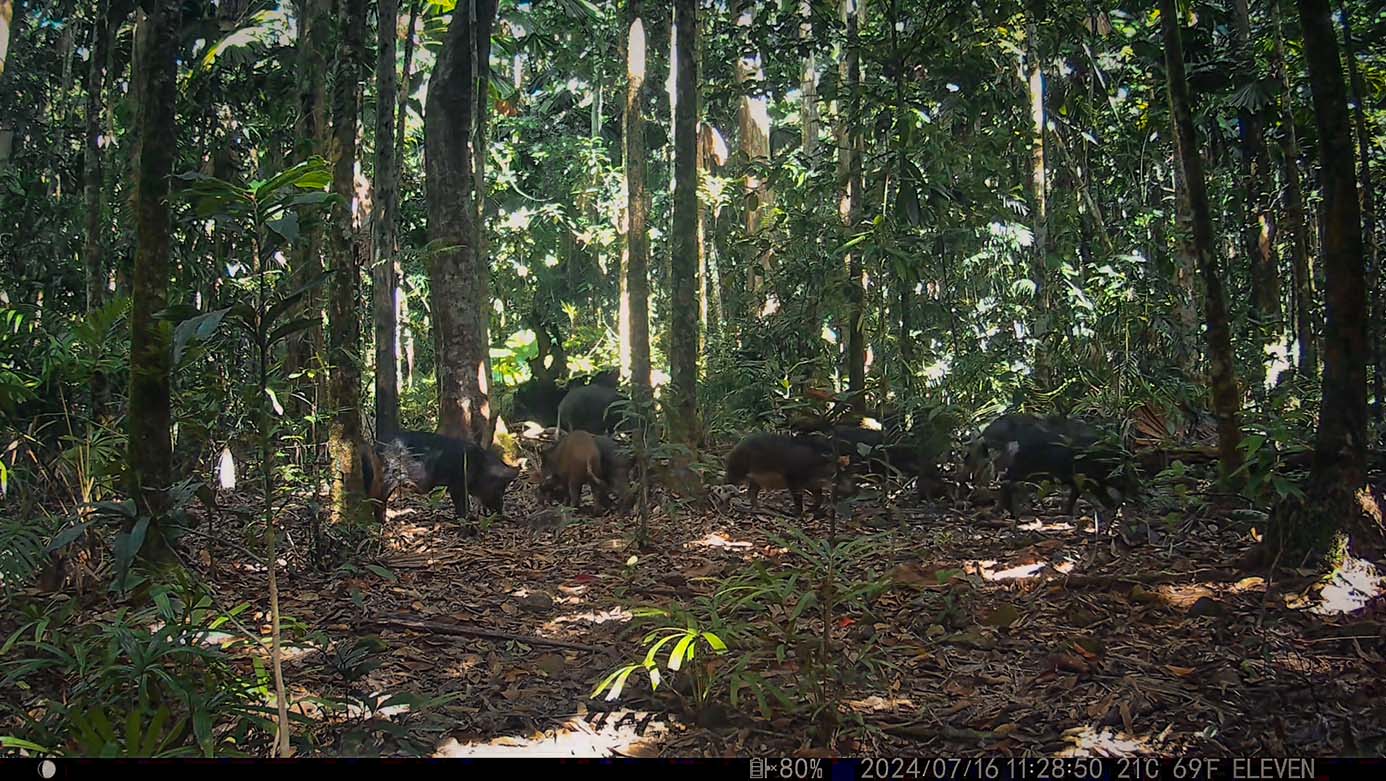

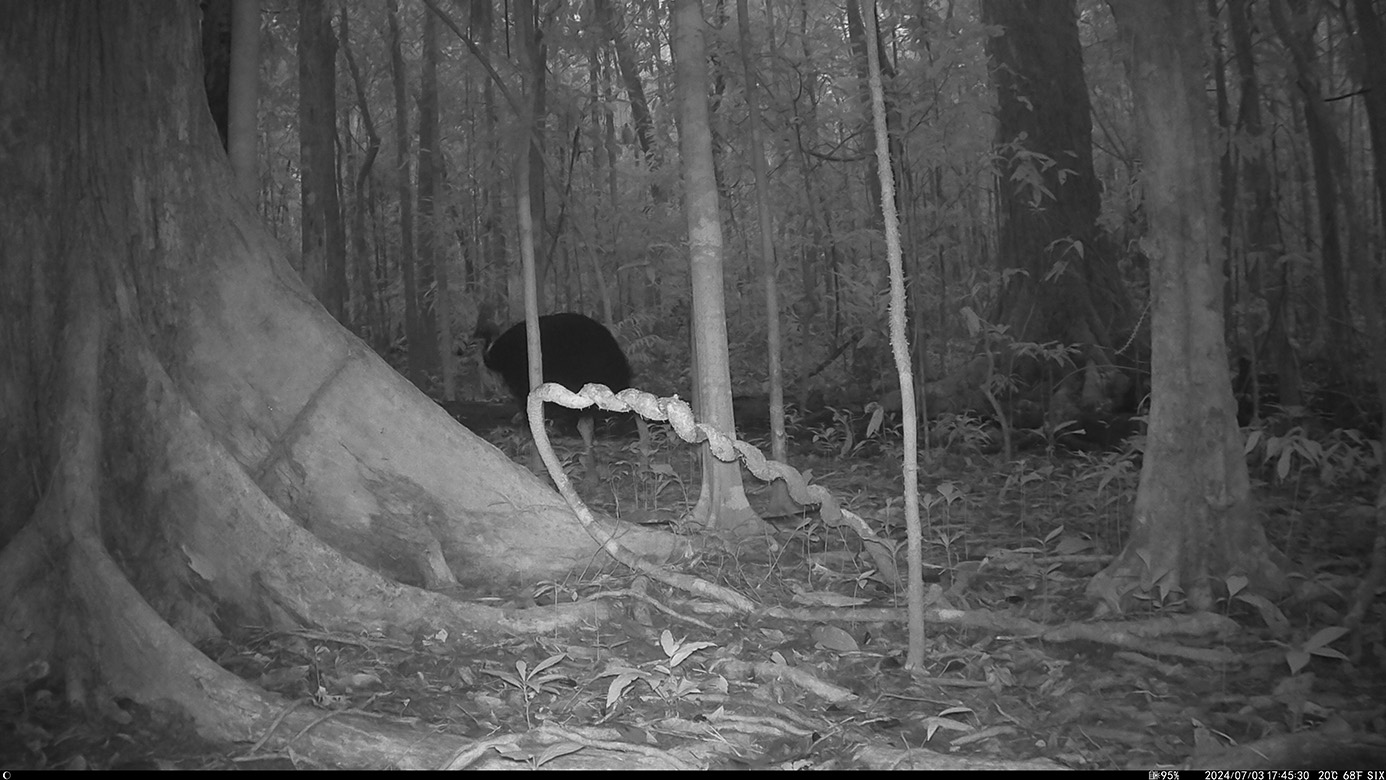
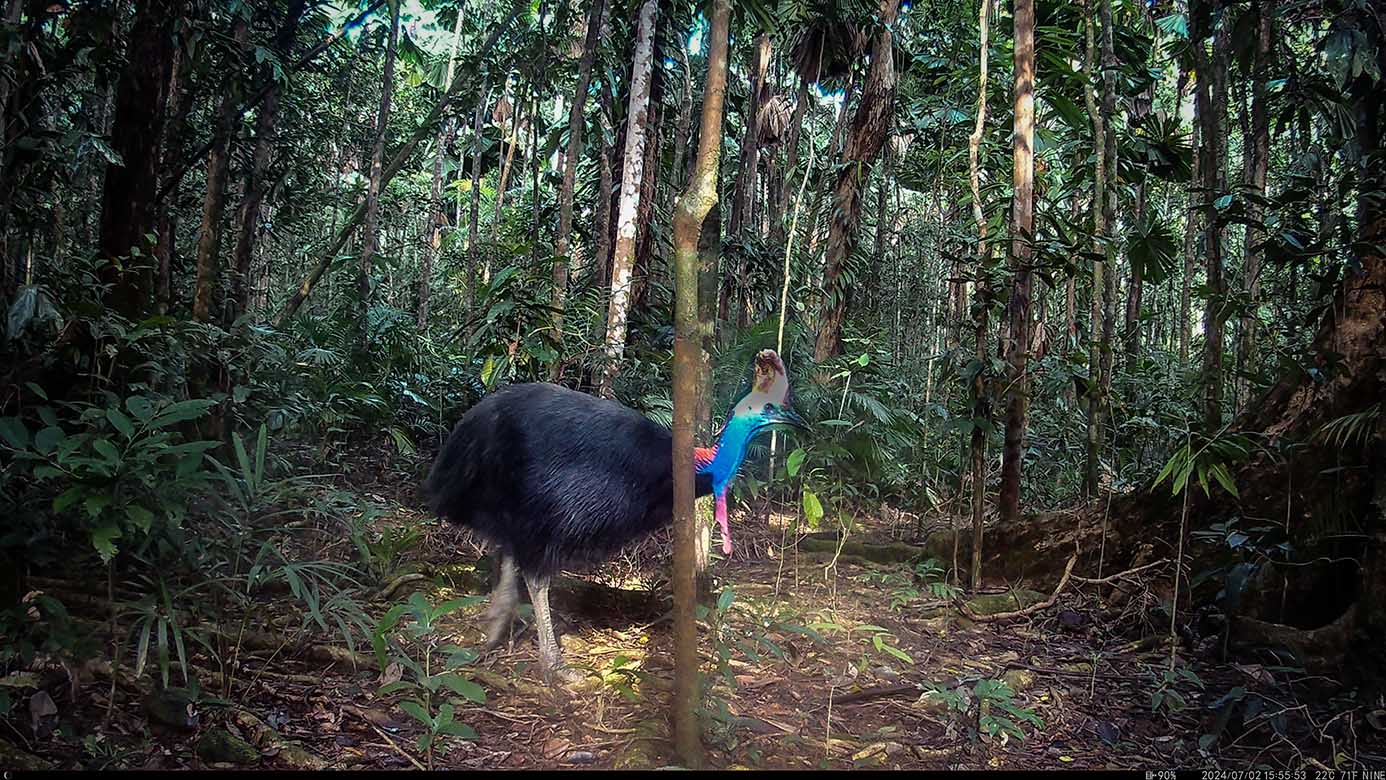
Keeping up with the Cassowaries …
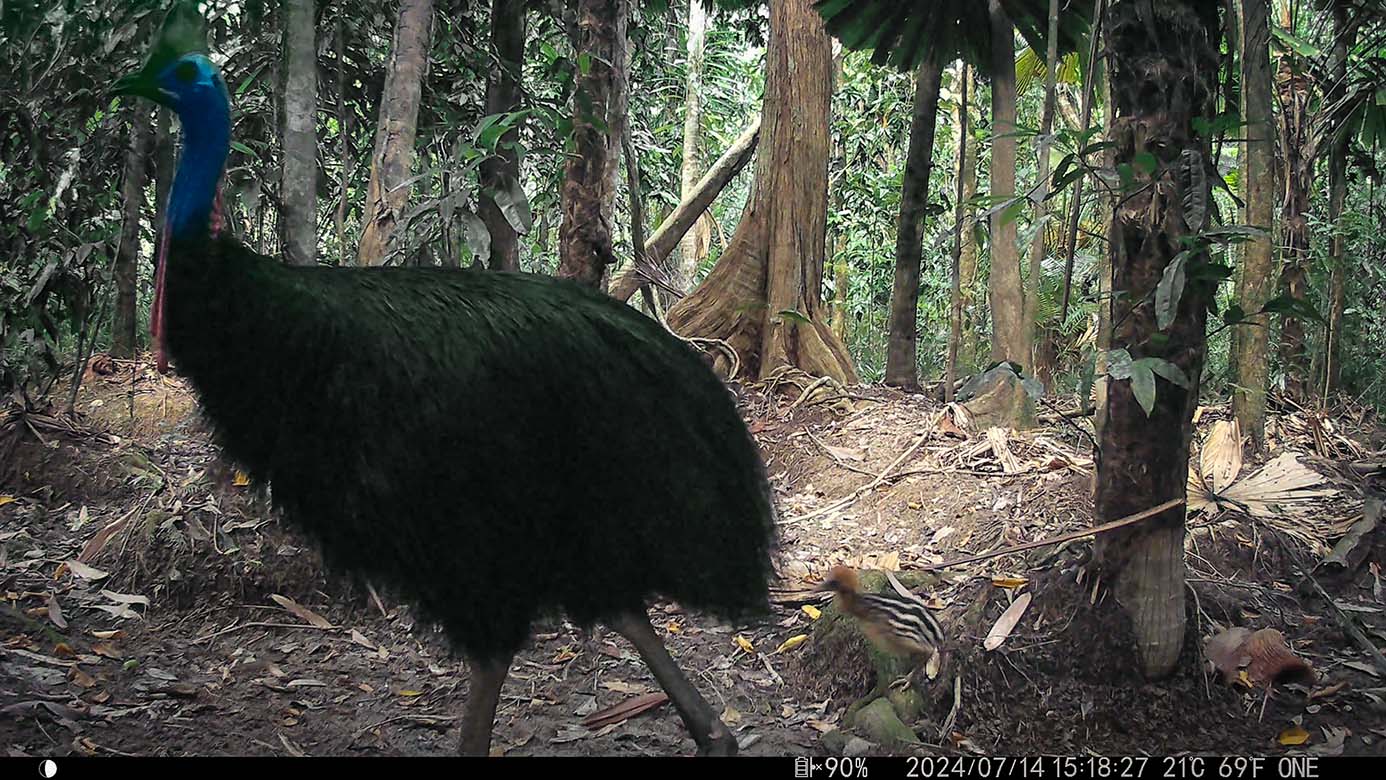
Crinkle-cut & 4-week-old Wobbly
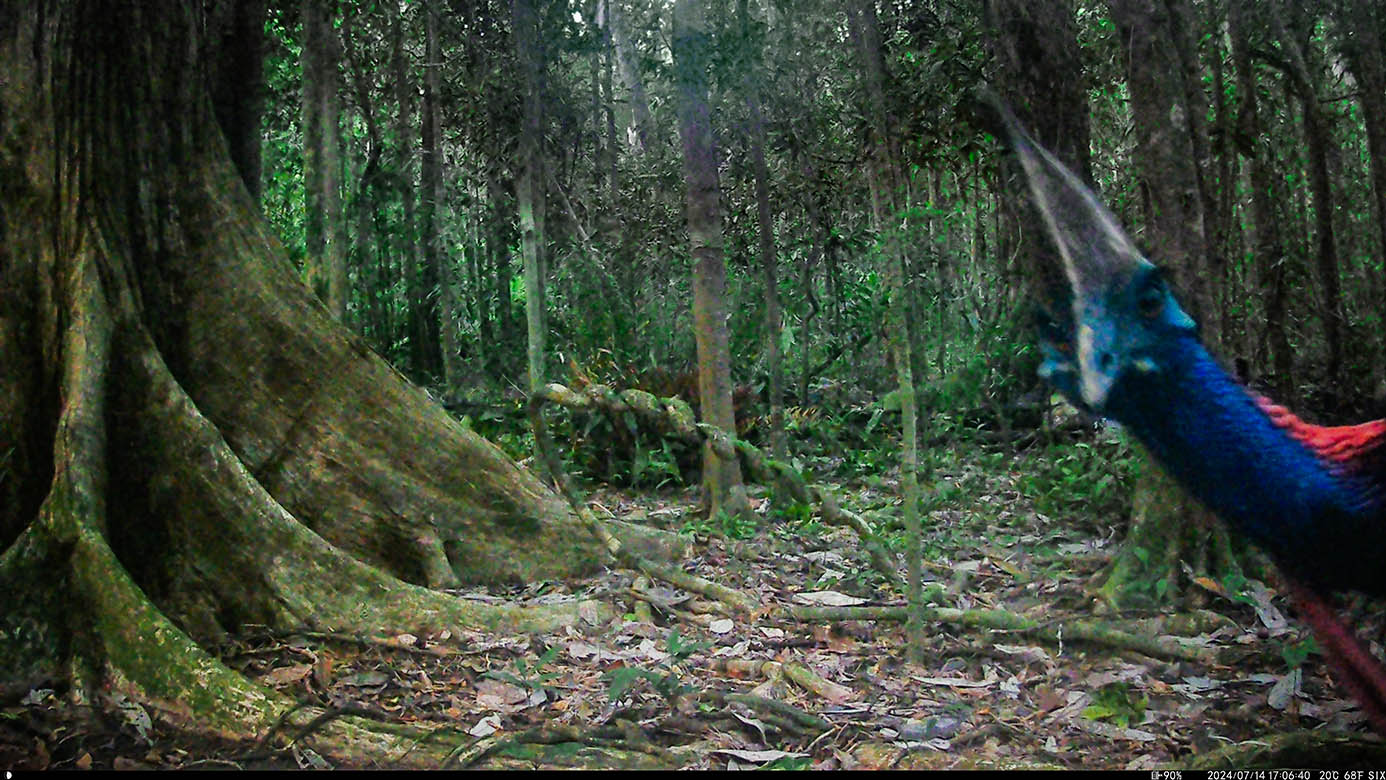
Delilah & Scaramanga – now a mated pair
Manu & Baloo
Luna
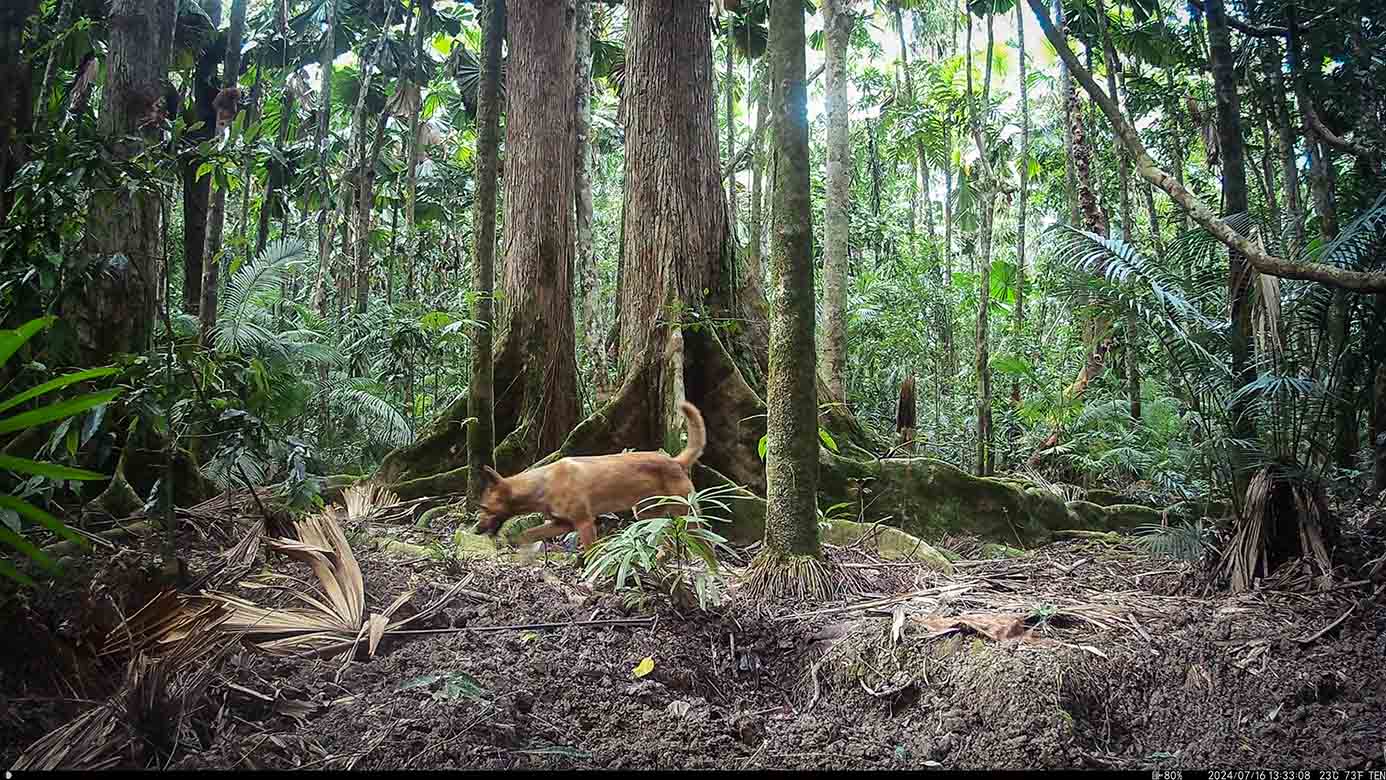
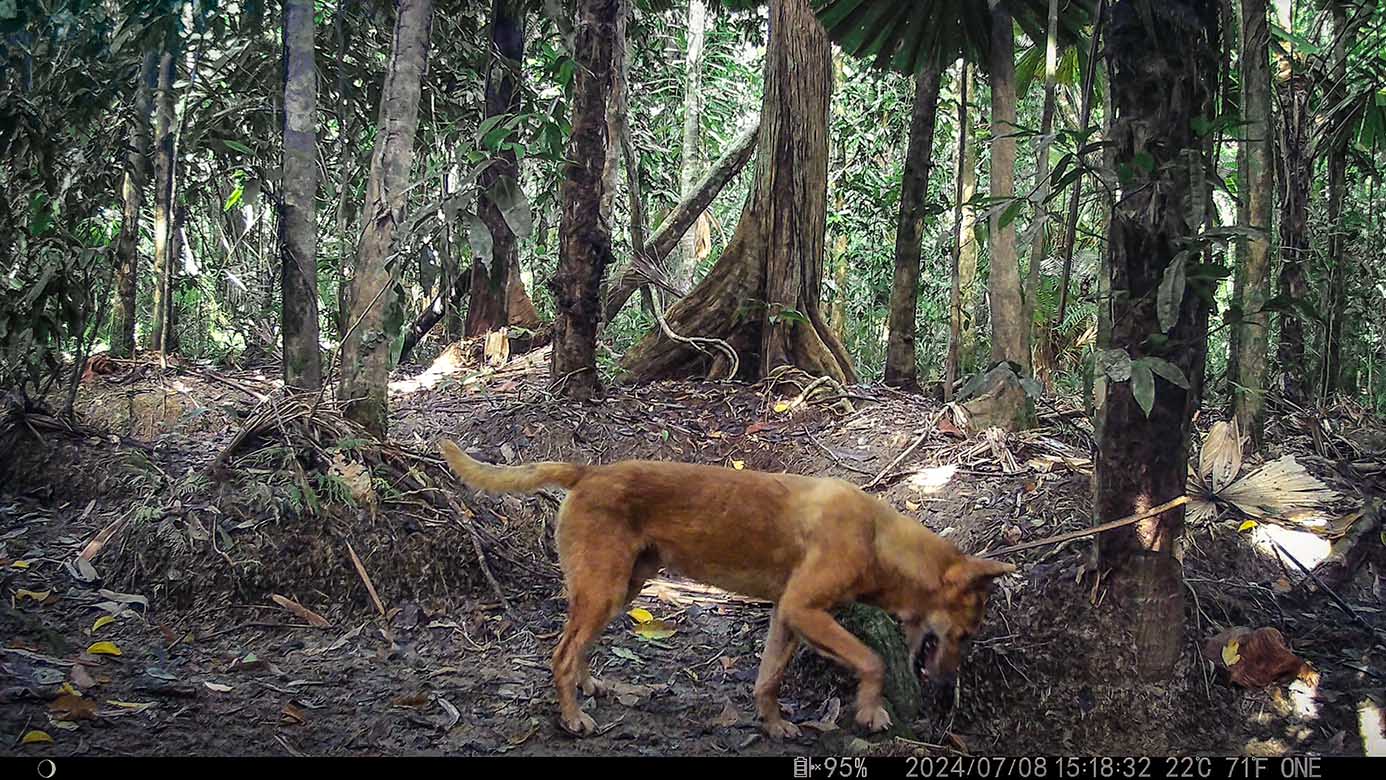
Daintree World Heritage Dingo frivolity
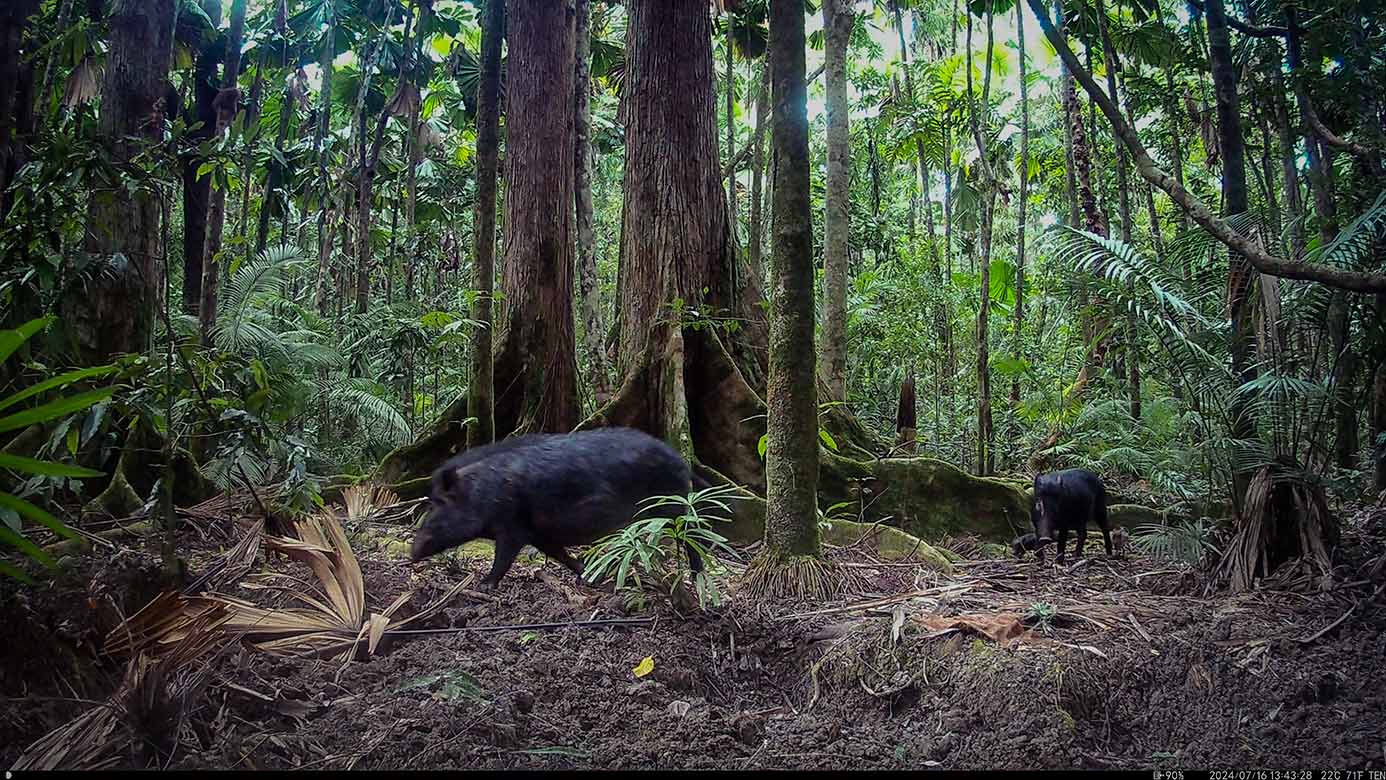
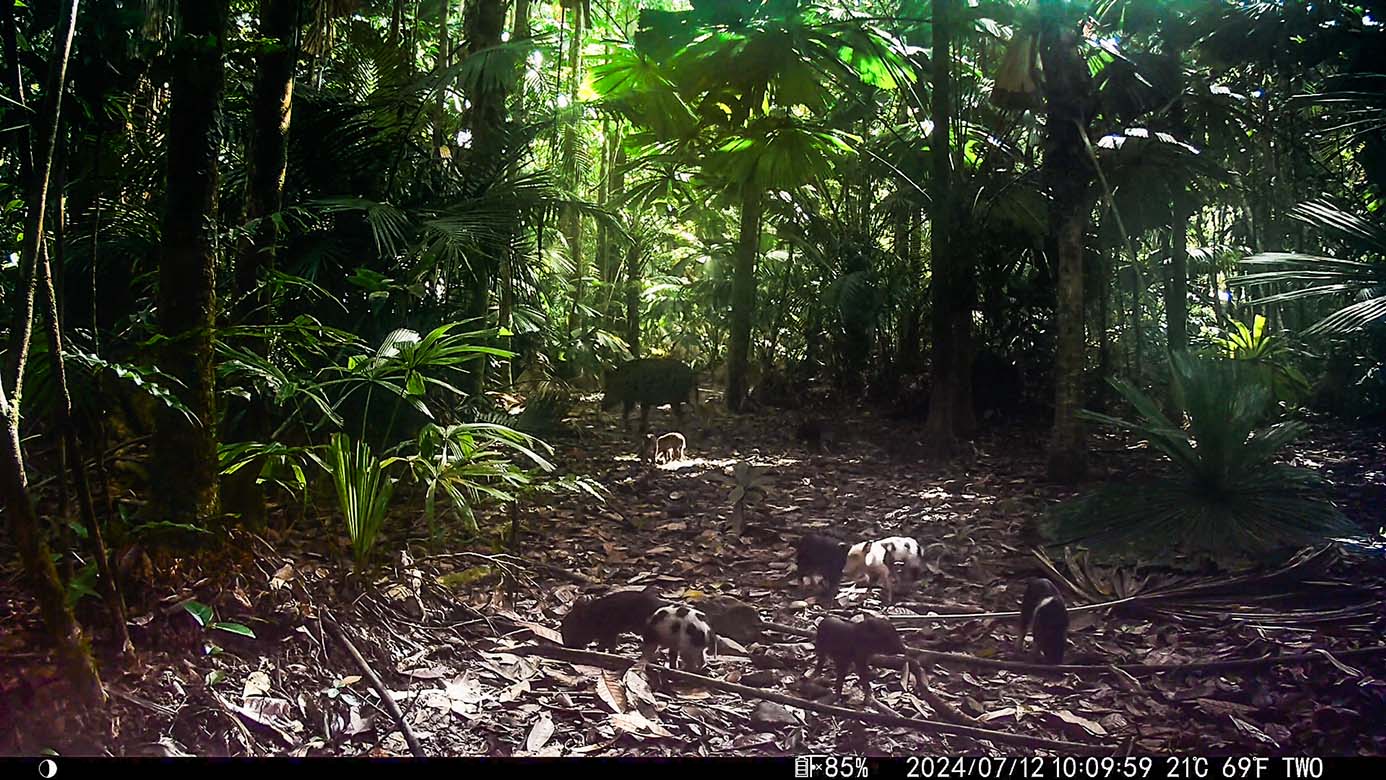
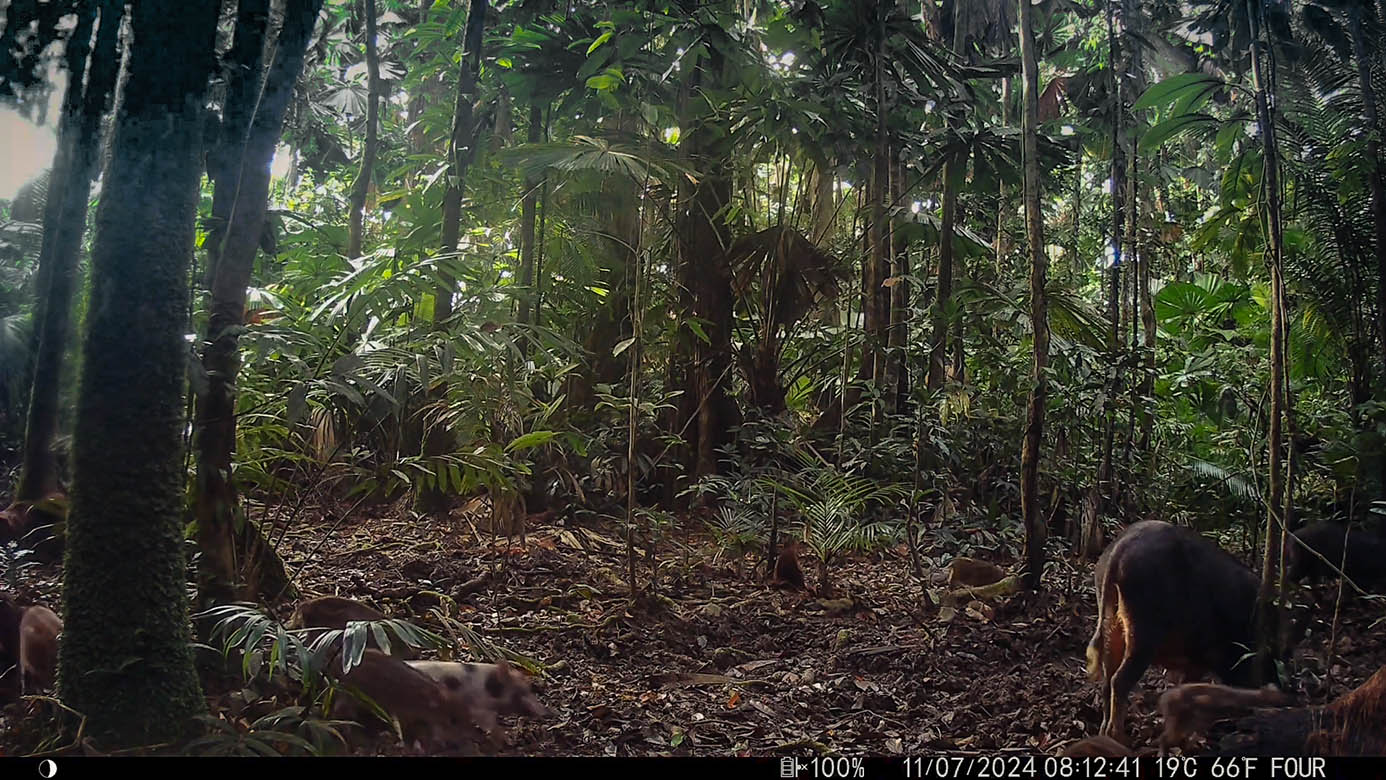
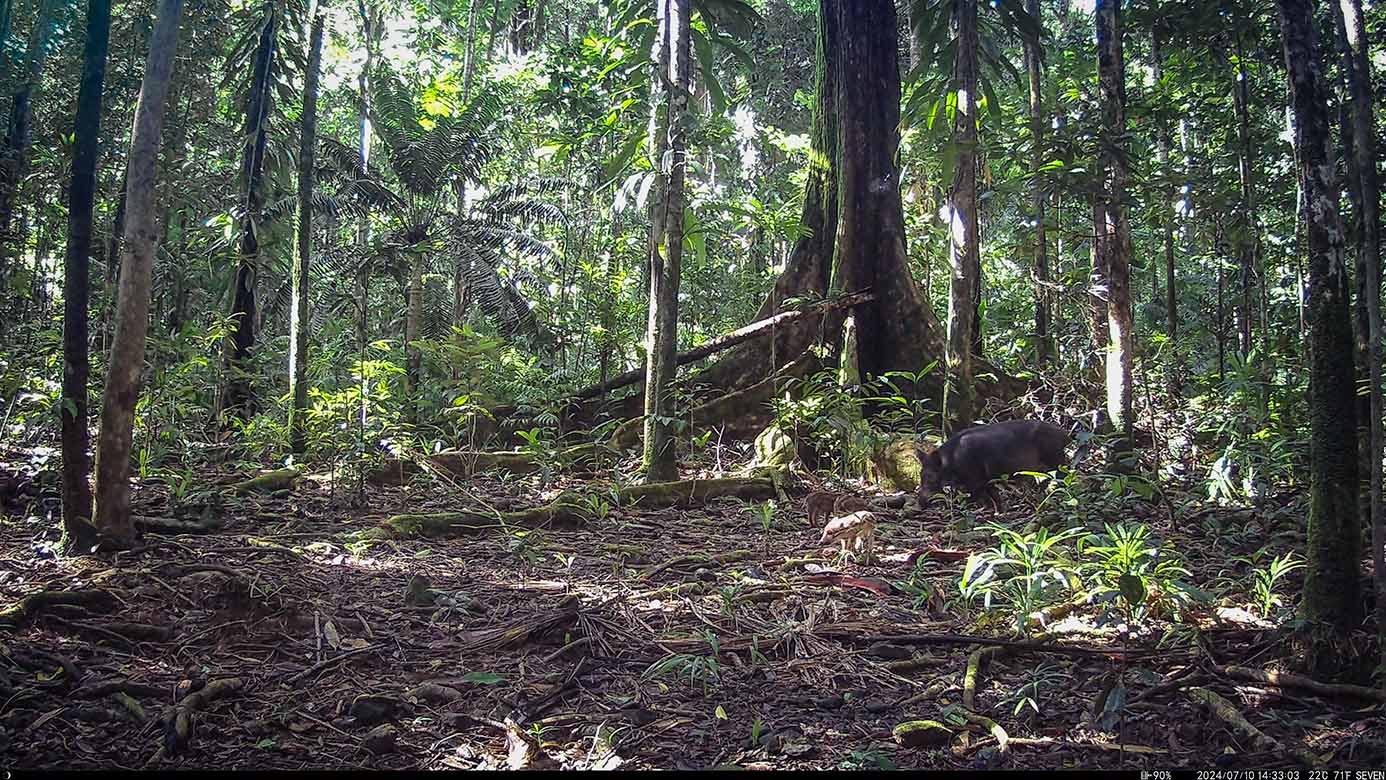
Pied razorback
Why is the Endangered Southern Cassowary excluded from the list of Australia’s 22 priority bird species within the Threatened Species Action Plan?
Priority species were to be selected in accordance with 6 prioritisation principles, including risk of extinction, multiple benefits, feasibility and effectiveness, importance to people, uniqueness and representativeness.
Reduced to less than 0.2% of Australia’s terrestrial landscape, cassowary habitat is also, per-unit-area, the most irreplaceable World Heritage property in the world and one of the 20 priority places in the Threatened Species Action Plan listed for improvement. With an estimated 30,000 invasive feral-pigs usurping cassowary habitat and large boars habitually pushing male cassowaries from their nests to devour eggs, cassowaries are at high risk of extinction.
In beneficial terms for other species, prioritising cassowary recovery would ameliorate the most catastrophic cascade of consequential extinctions that any singular species extinction could possibly trigger. It is understood that 37-species of plant cannot survive without the cassowary, plus the faunal and fungal symbionts that are dependent upon those plants. Cassowaries are also the only species within the world’s most irreplaceable rainforest that restore seed viability and also deposit these seeds under canopy openings for recruitment to fill overhead vacancies for restored canopy connectivity, maintaining cyclones as replenishing assets rather than destructive liabilities.
Mitigating the cascade of consequential extinctions that cassowary demise would precipitate is fundamental to protecting and sustaining the world’s most irreplaceable World Heritage property. Pursuing this ecological, economic and social obligation in the most cost-effective way is a legislative requirement of the Intergovernmental Agreement on the Environment 1992. In terms of uniqueness, representativeness and importance to people, no other Threatened Species should be prioritised higher than the Southern Cassowary, whose habitat has reduced by 99.96% over its 60-million-year history.
A head-in-the-sand belief that World Heritage, Endangered Ecosystem Community, National Heritage and Endangered Species-listing has the cassowary’s protection covered, fails to address the atrocity of 30,000-feral-pigs driving the cassowary in the indisputable direction of the Dodo.
Daintree Rainforest Foundation Ltd has been registered by the Australian Charities and Not-for-profits Commission and successfully entered onto the Register of Environmental Organisations. Donations made to the Daintree Rainforest Fund support the Daintree Rainforest community custodianship and are eligible for a tax deduction under the Income Tax Assessment Act 1997.