
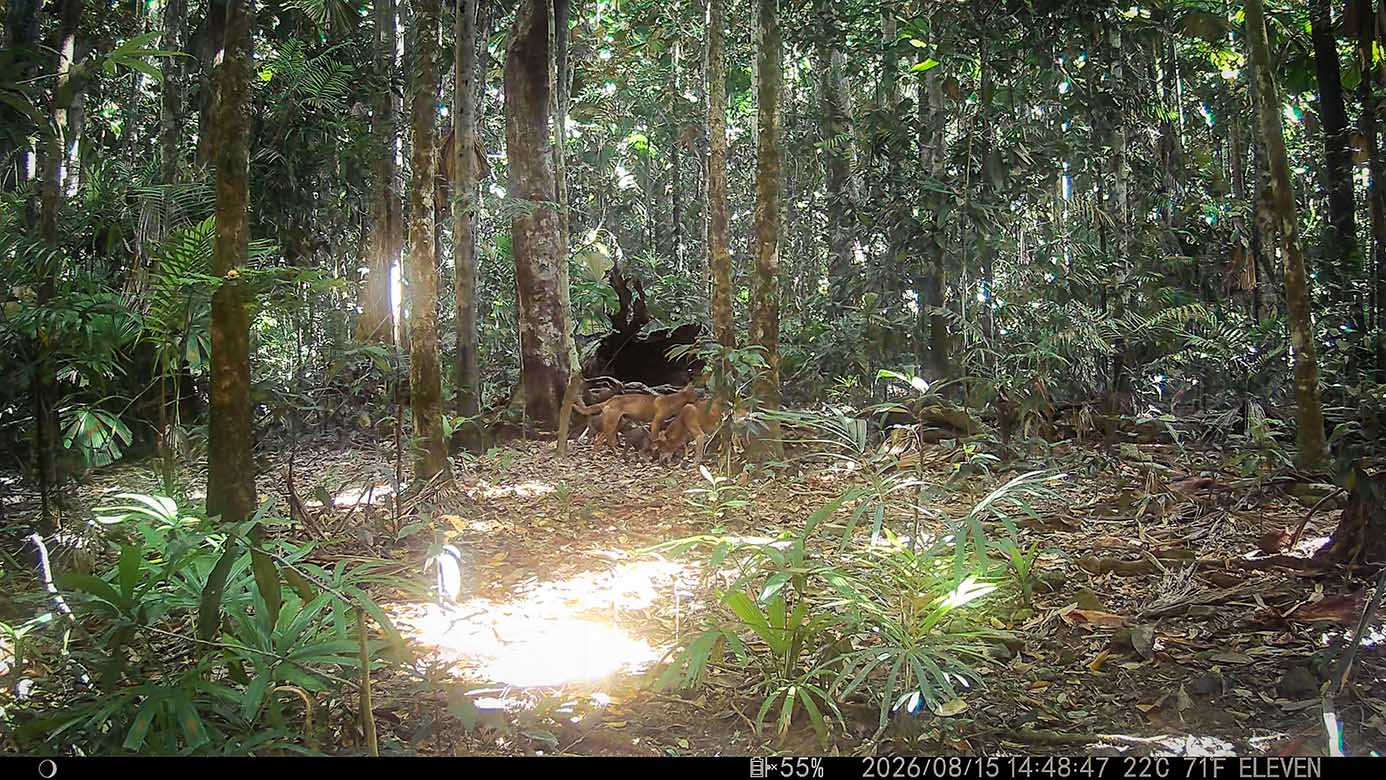
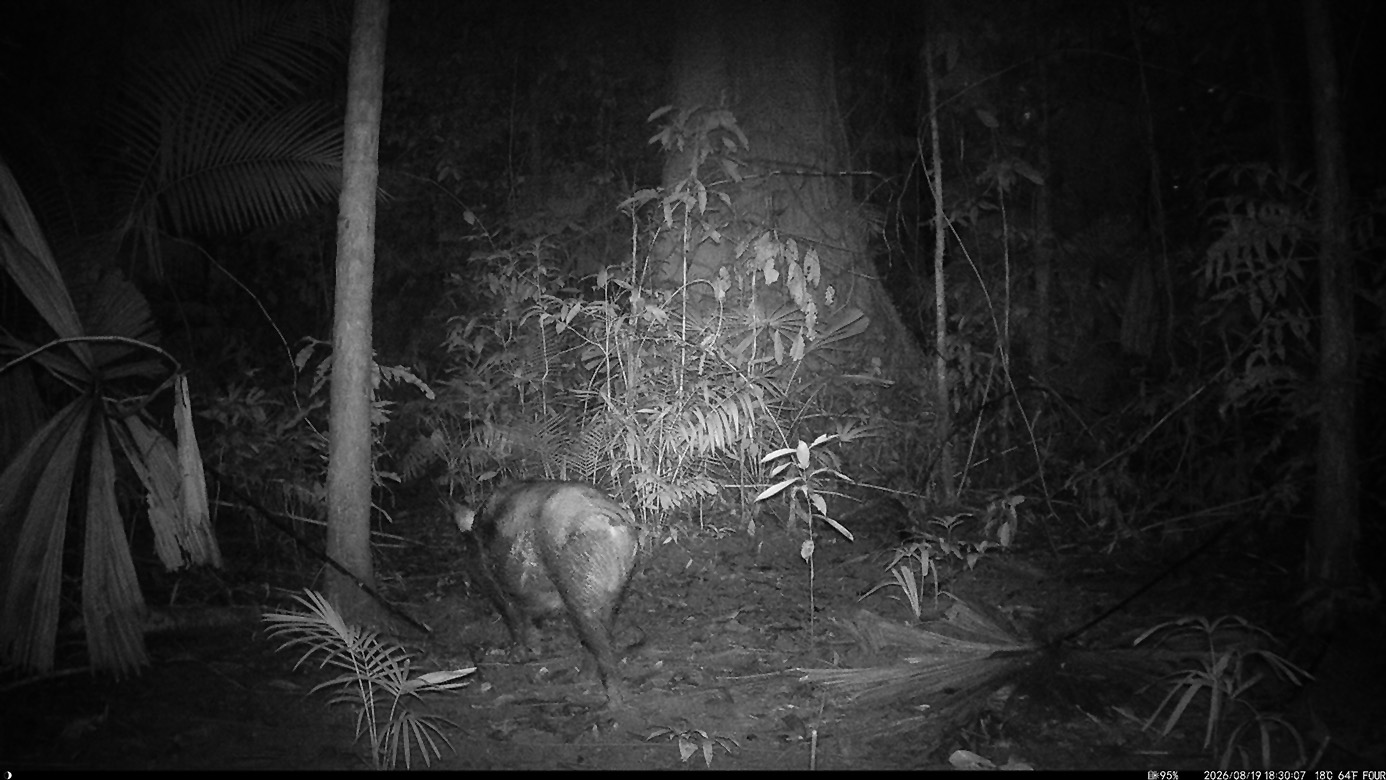
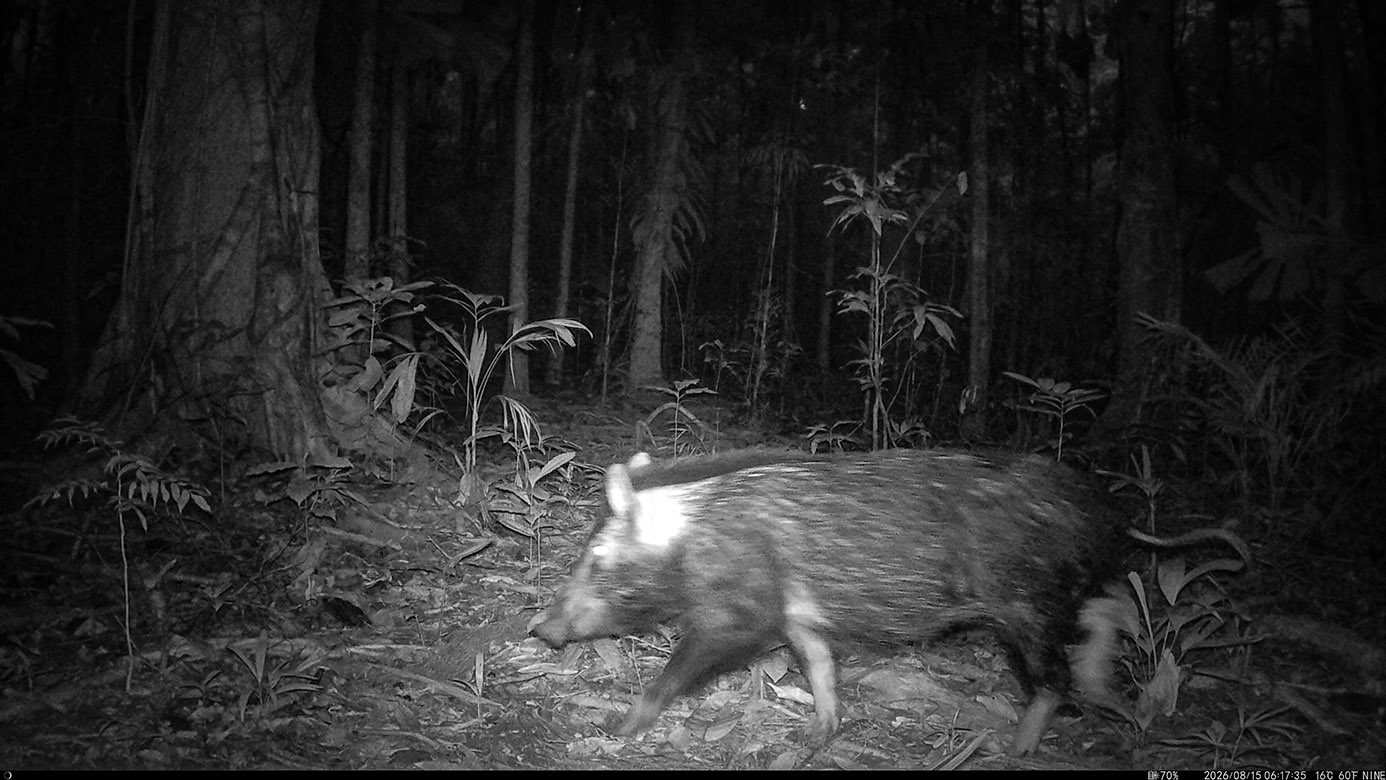
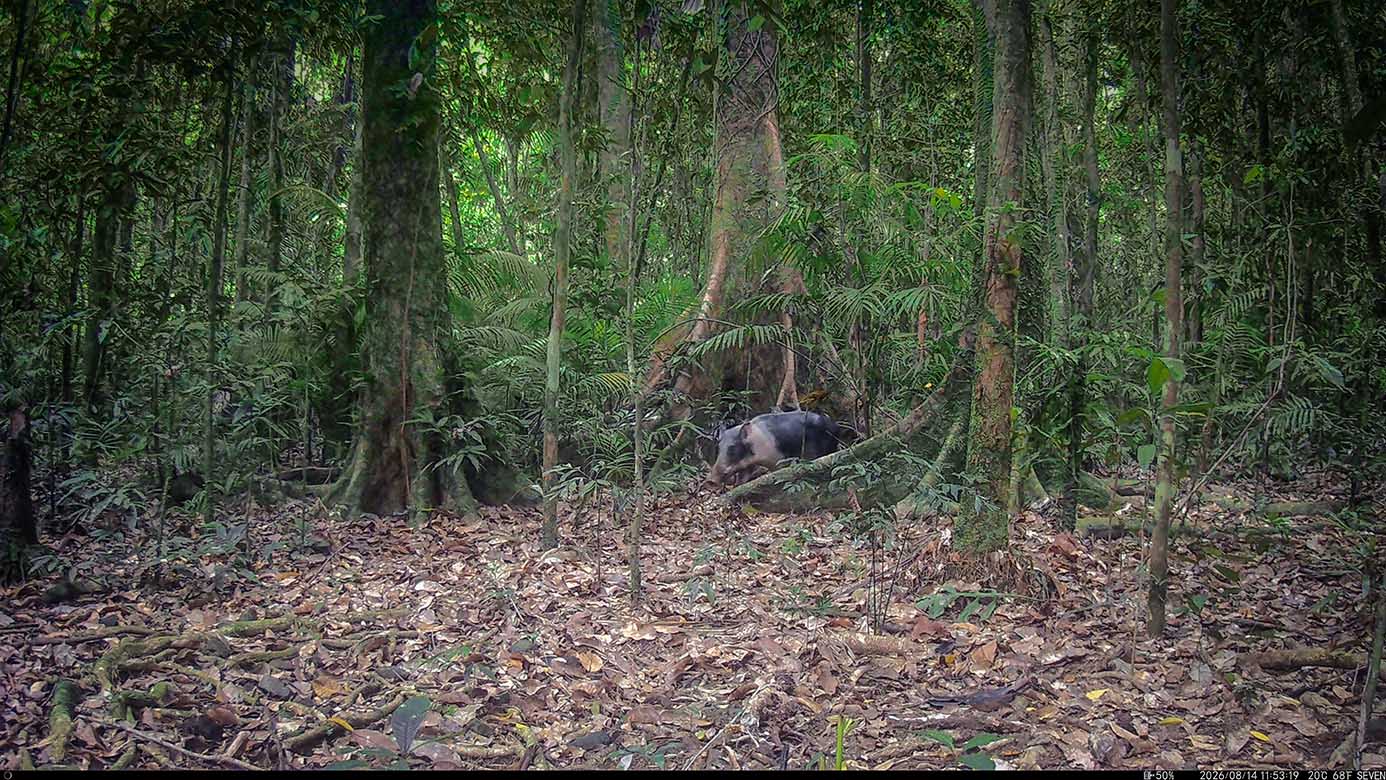
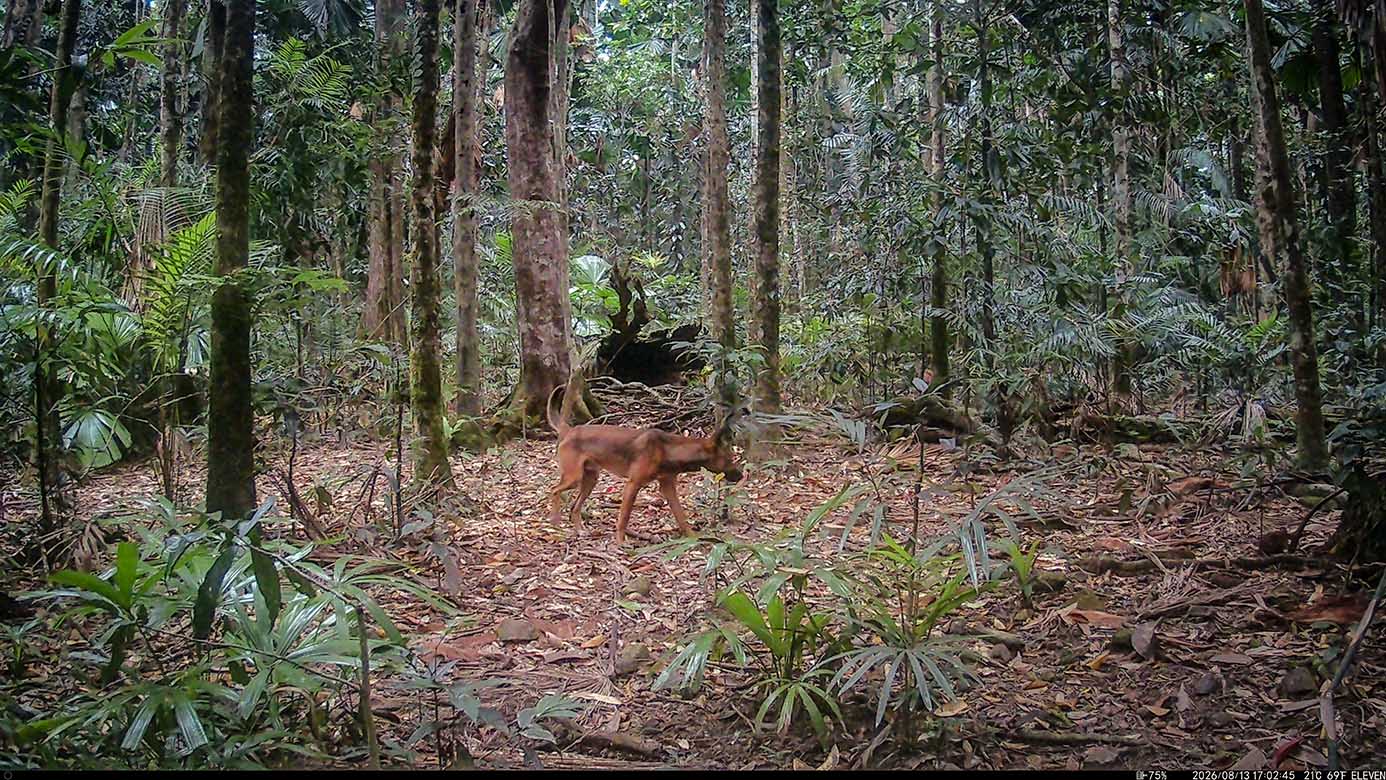
Camera Traps – August 2026 accrued 33-cassowary sightings, 395-dingoes and 27-feral pigs. Against the cumulative monthly average, cassowary numbers fell by 68%, dingo-sightings erupted by 782% and feral-pig numbers dropped by 88%. Against August 2025, cassowary sightings were 31% fewer, dingo numbers soared by 840% and feral-pigs plummeted by 59%.
Image highlights from Camera Traps – August 2026
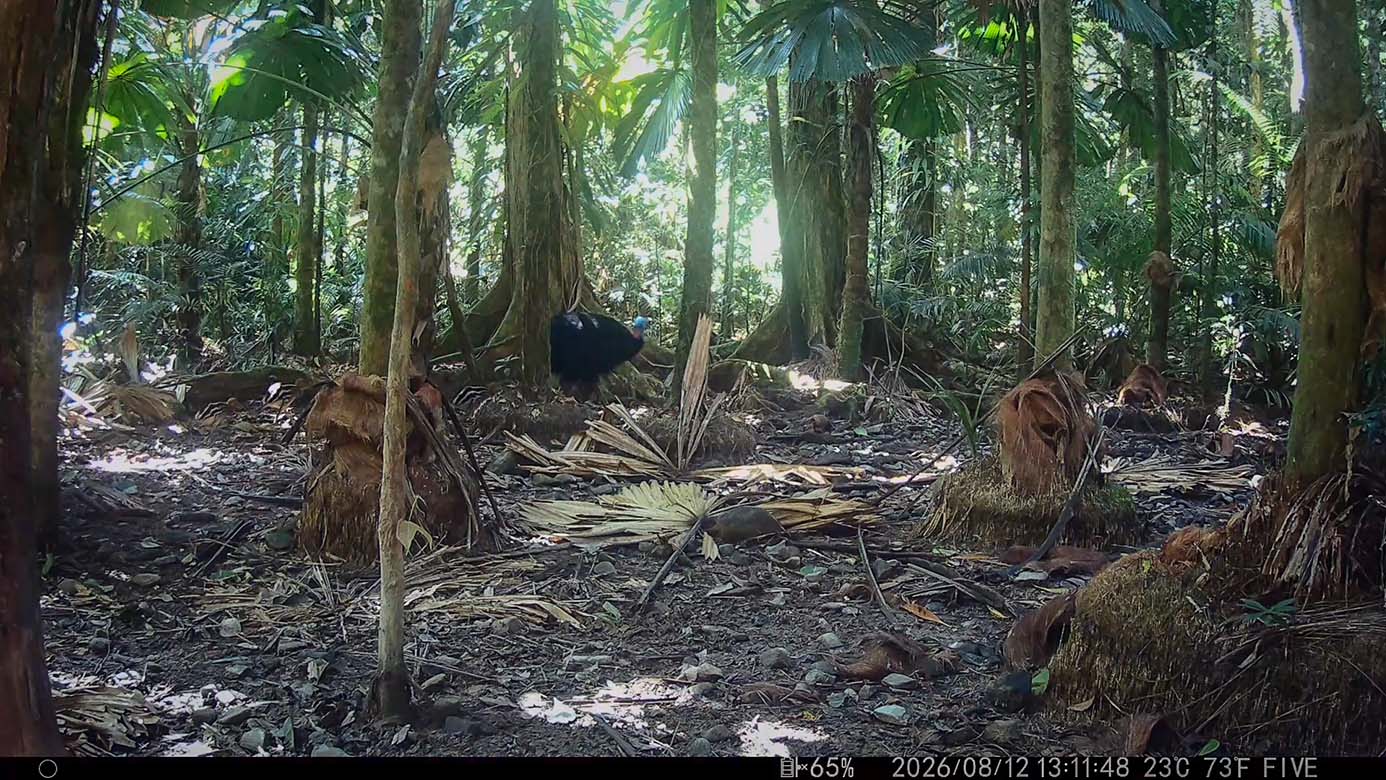
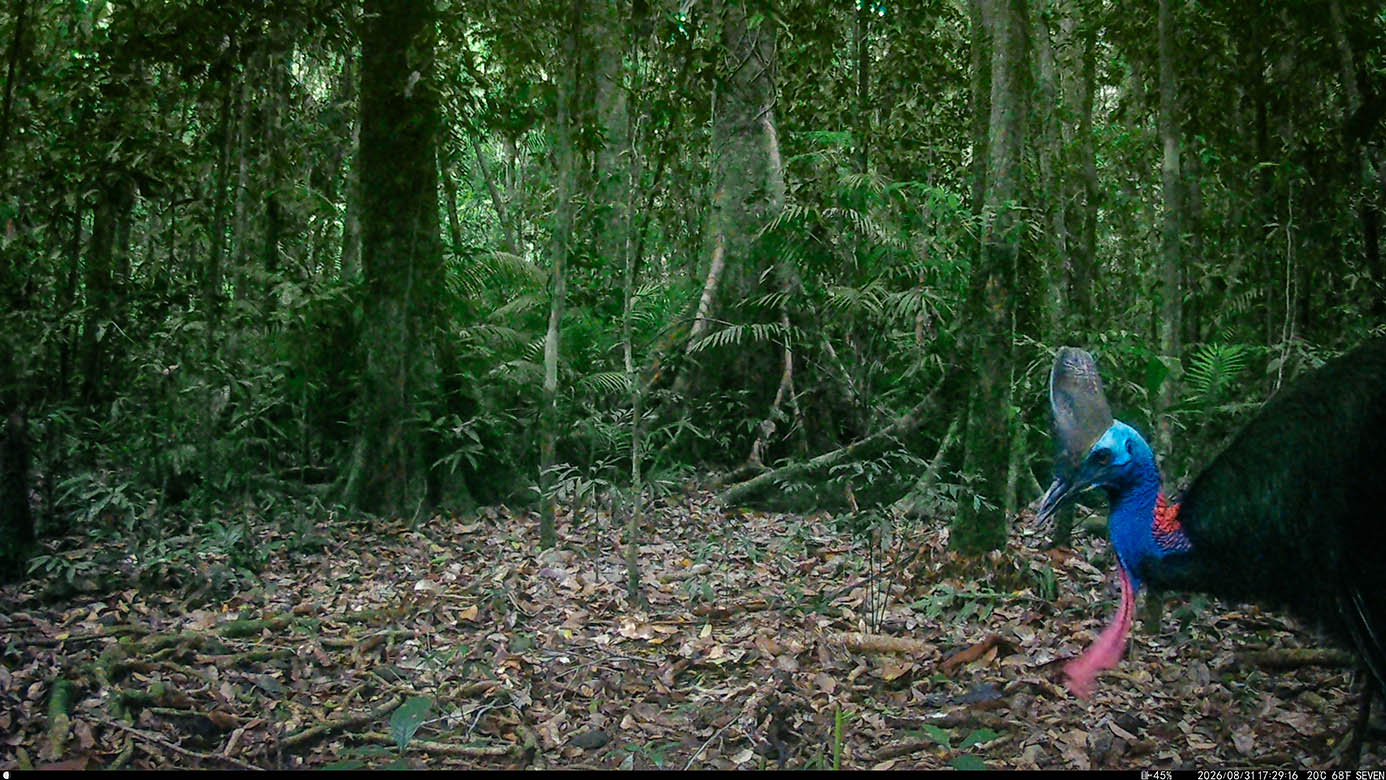
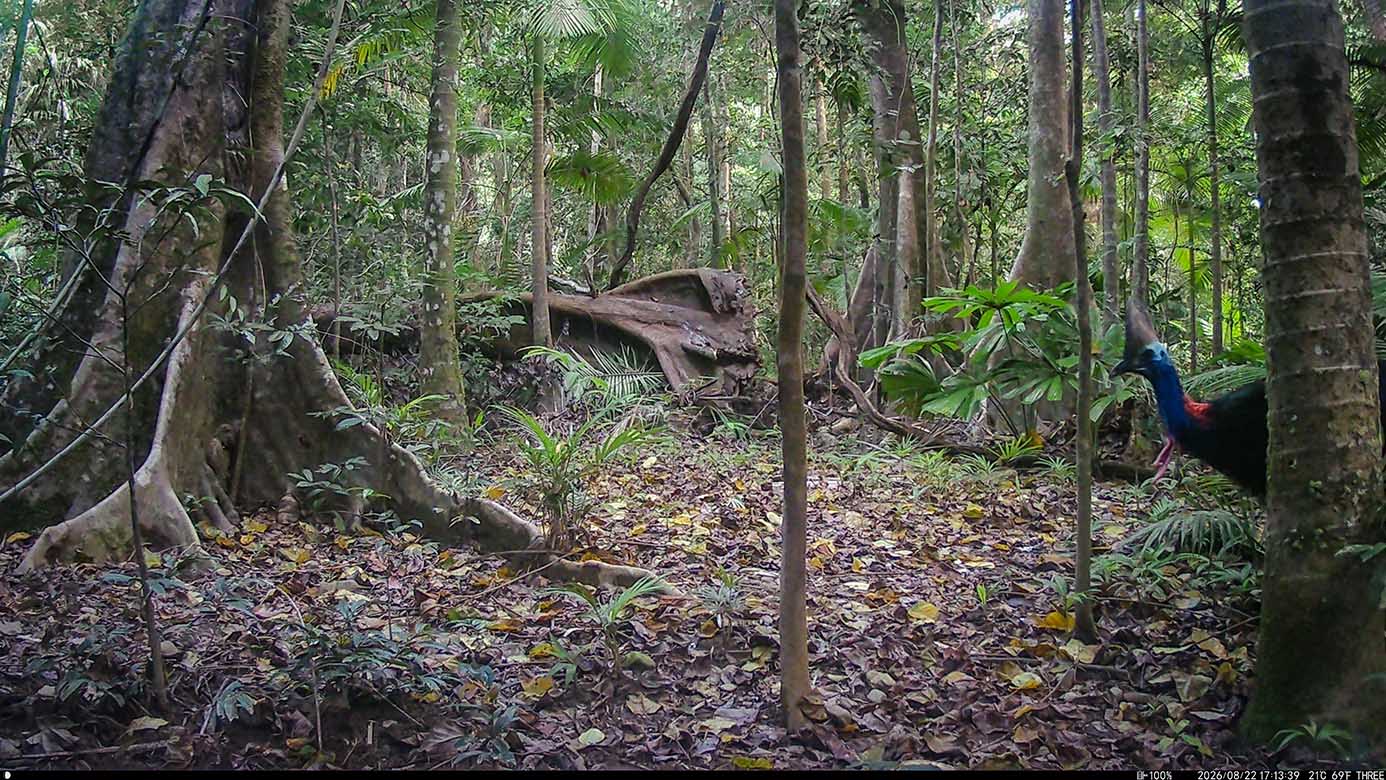
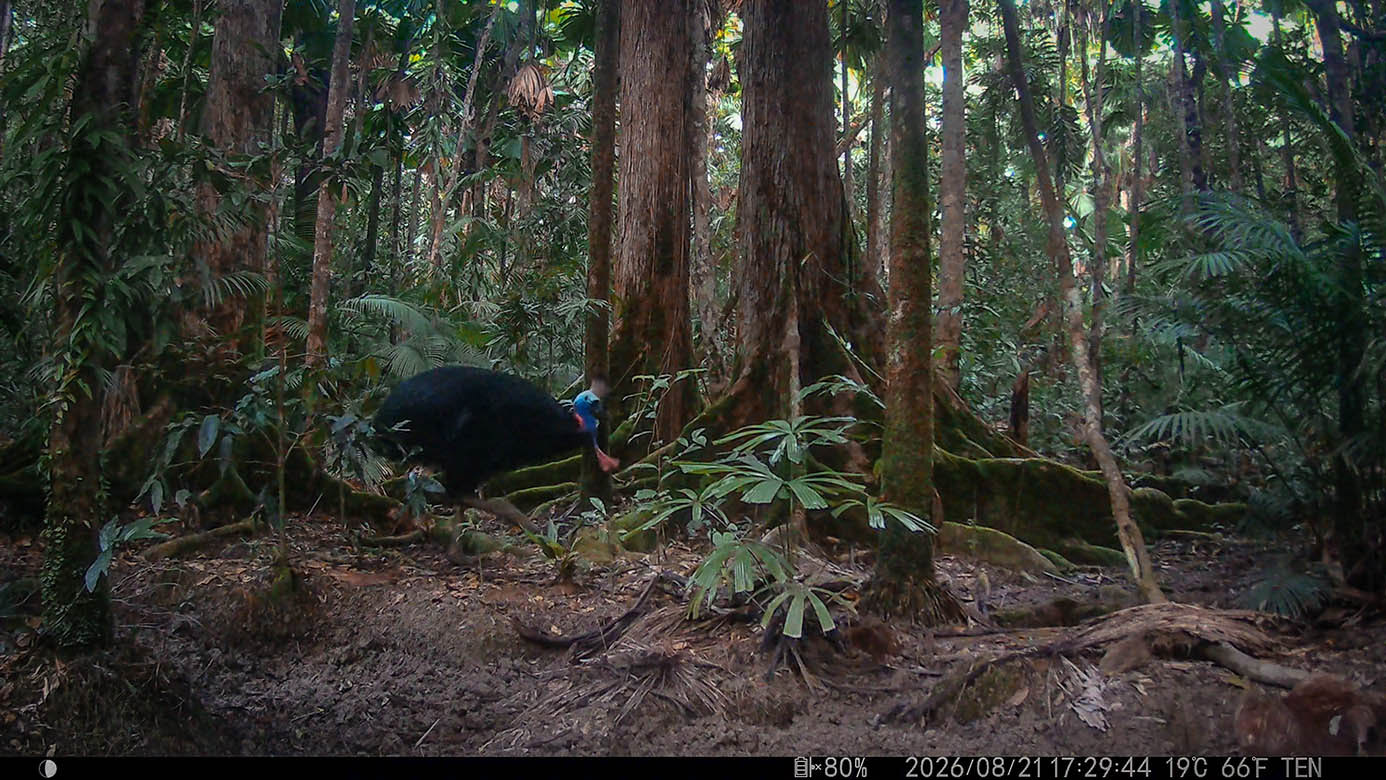
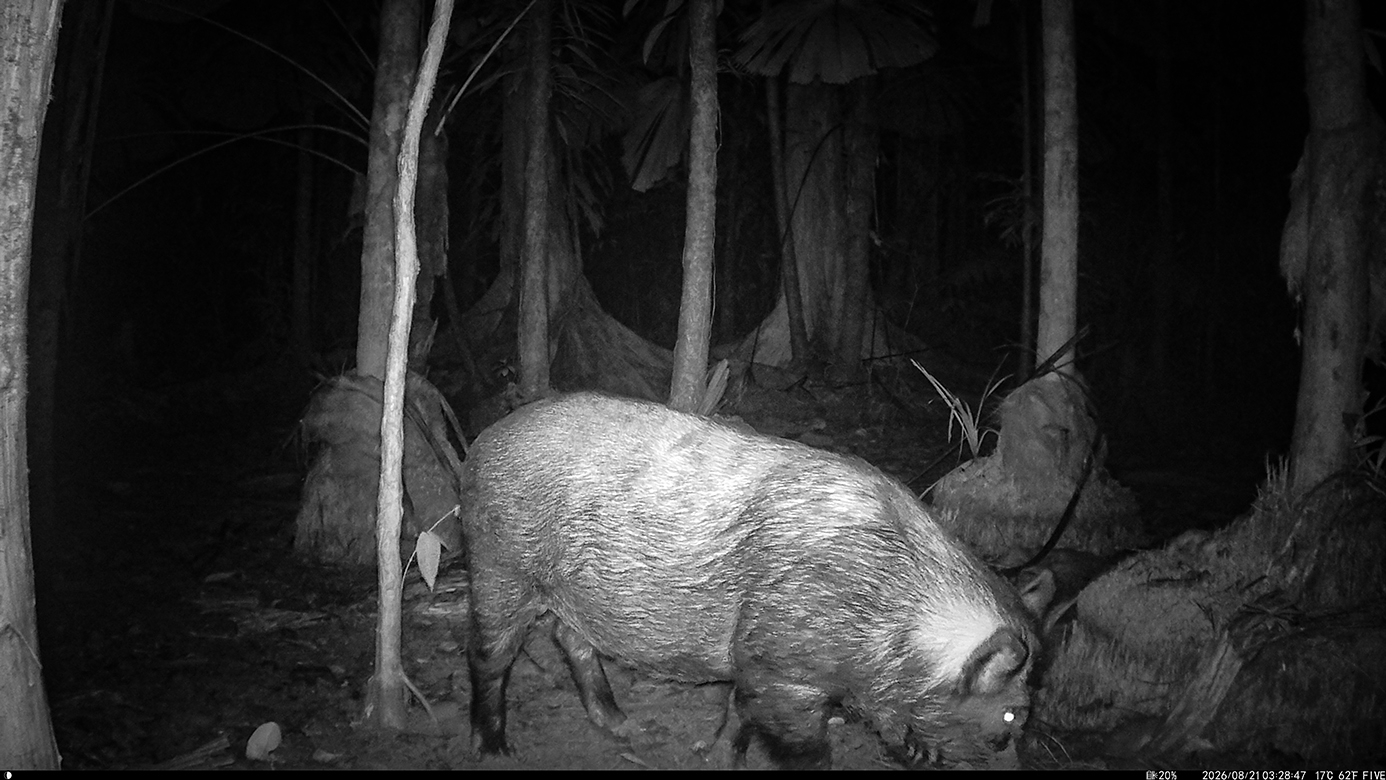
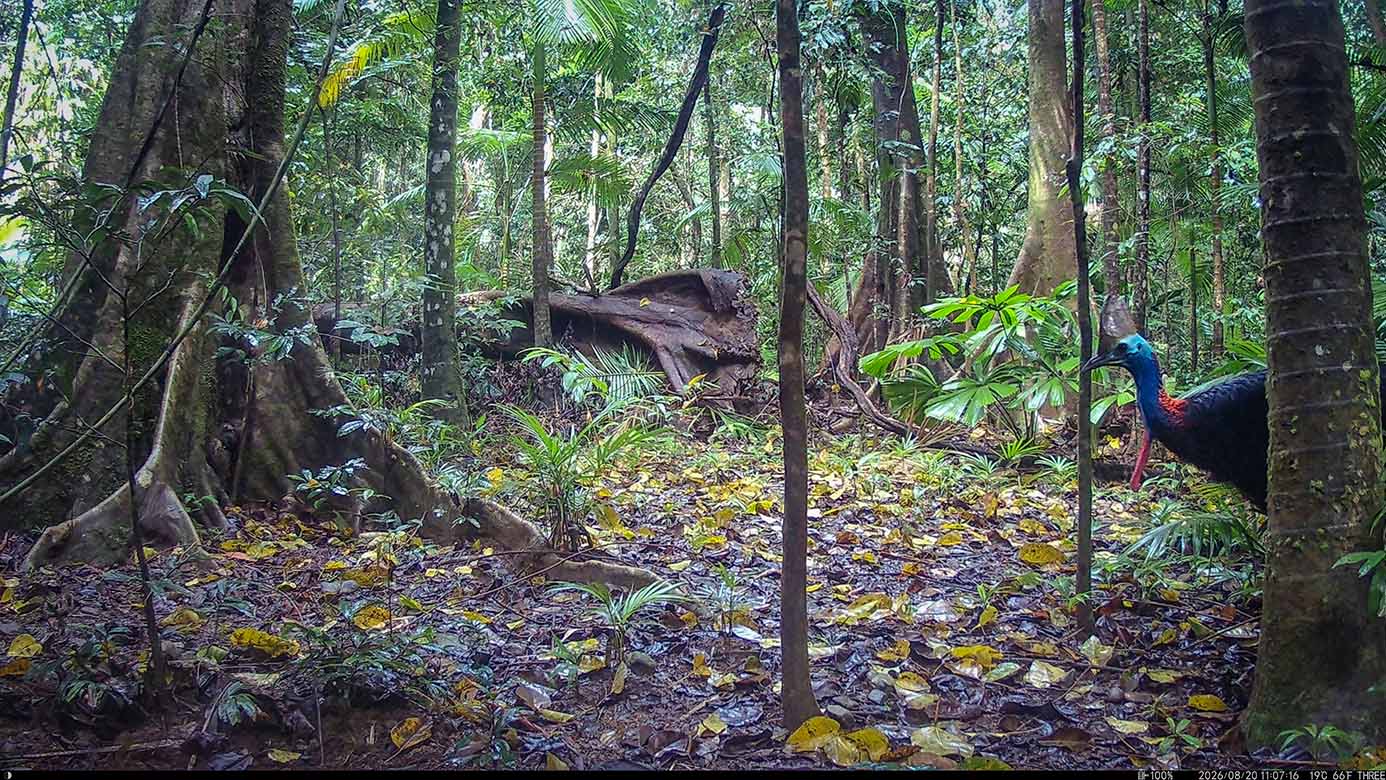
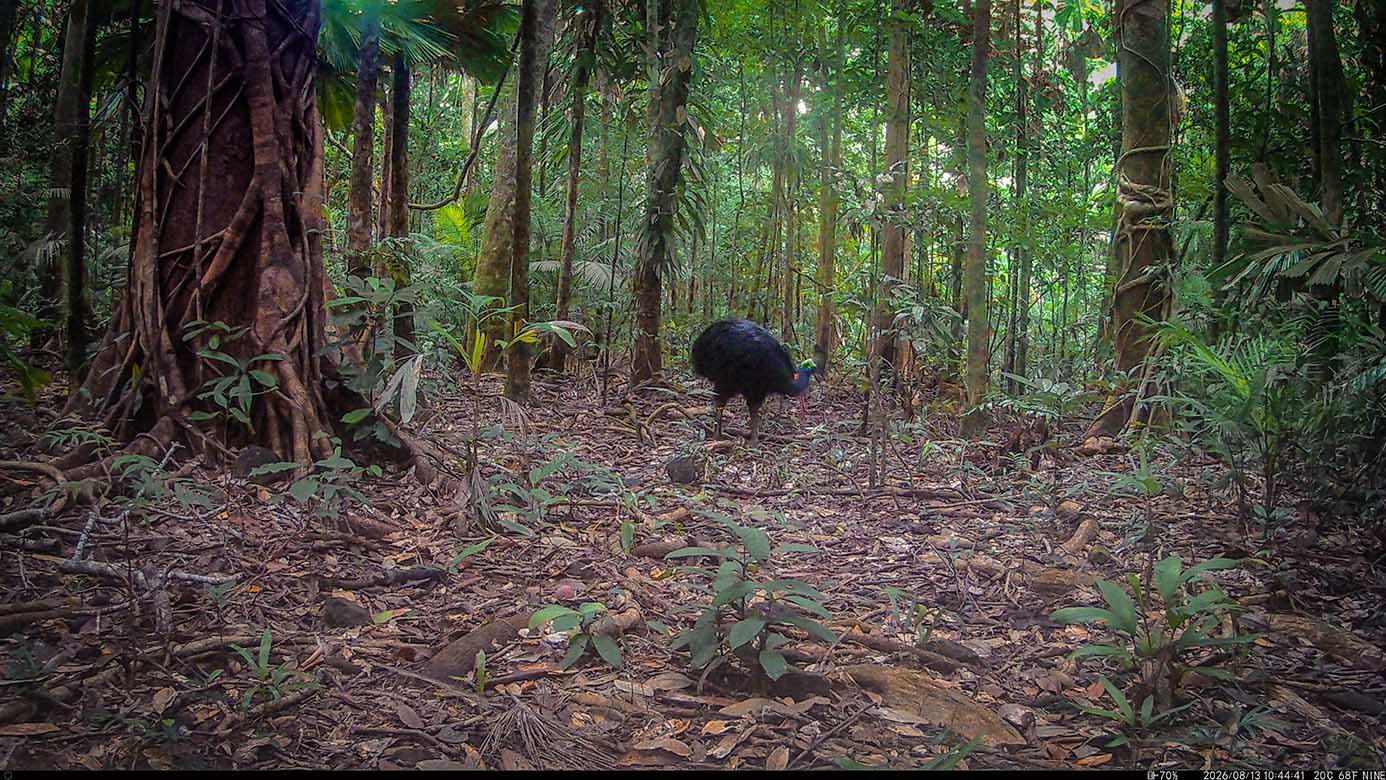
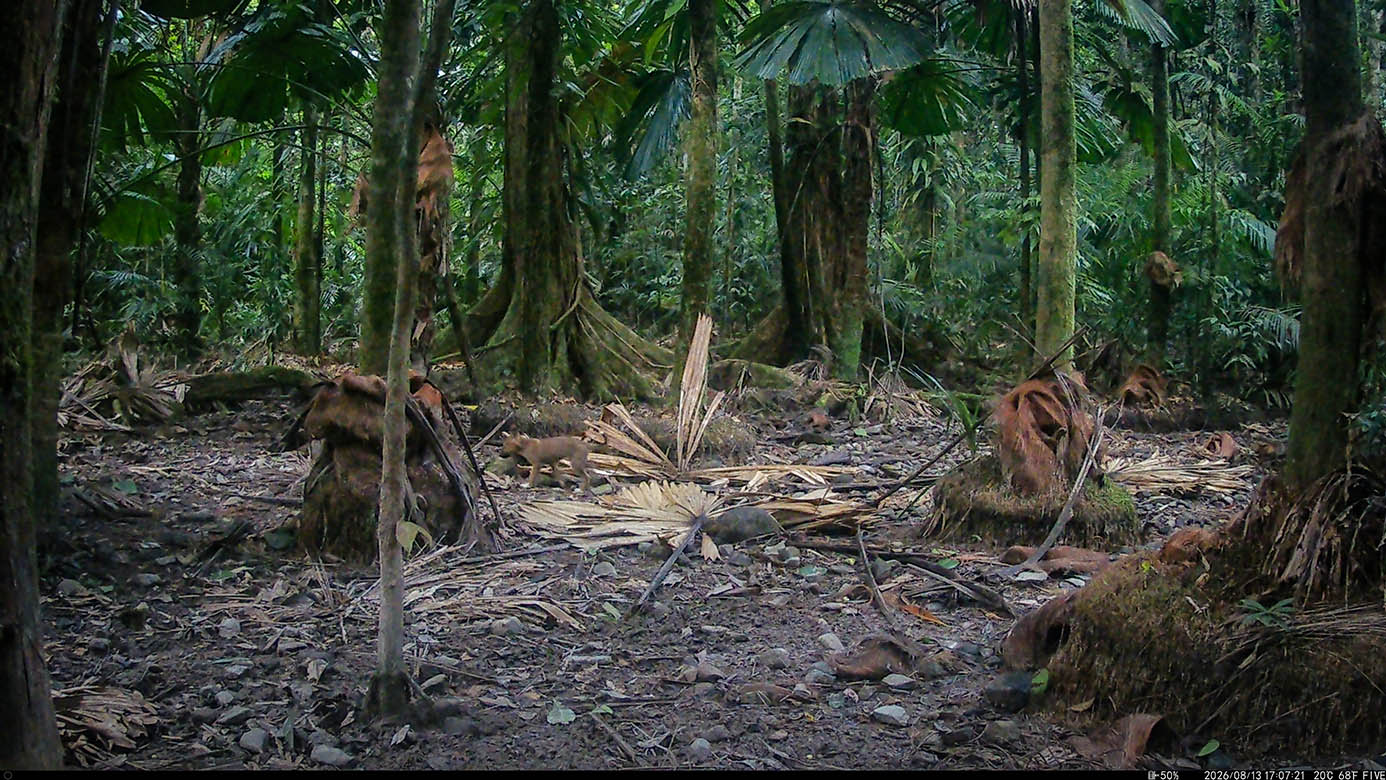
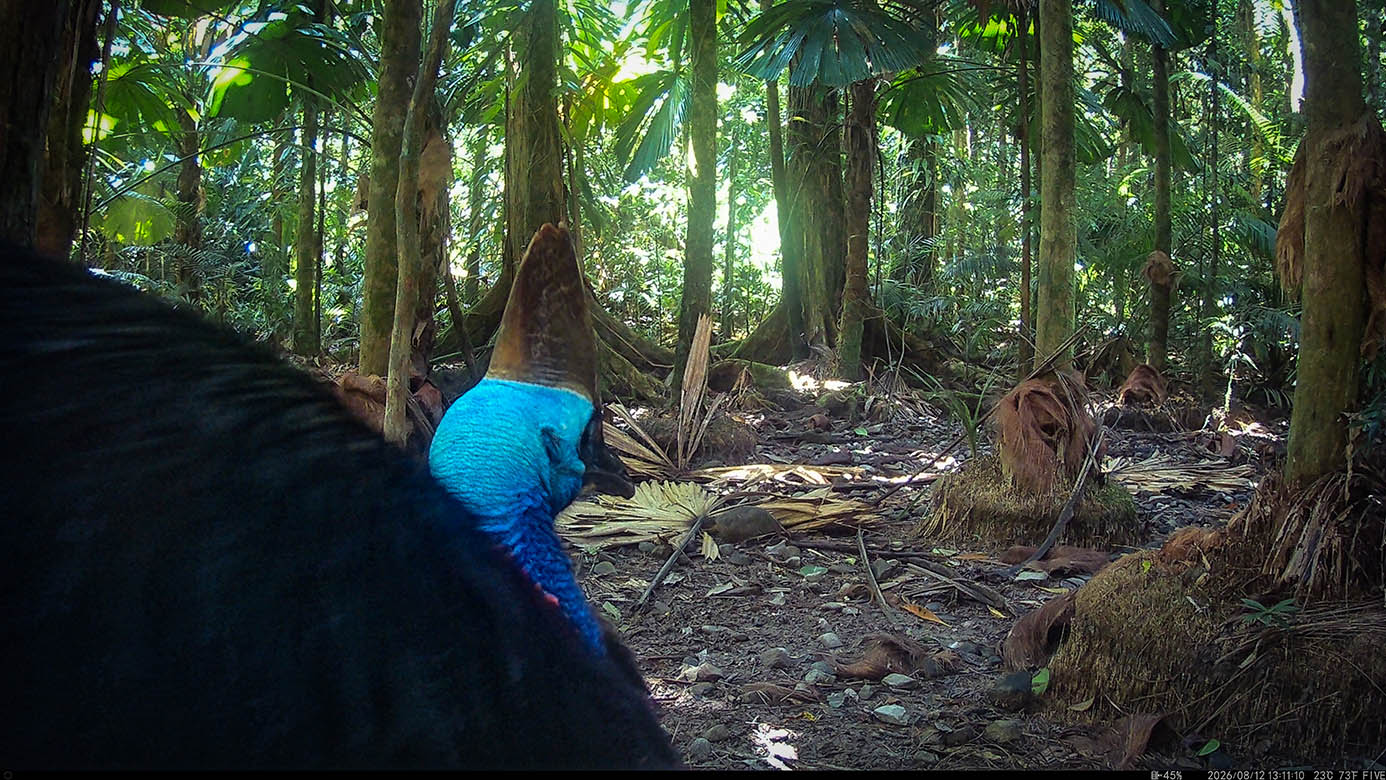
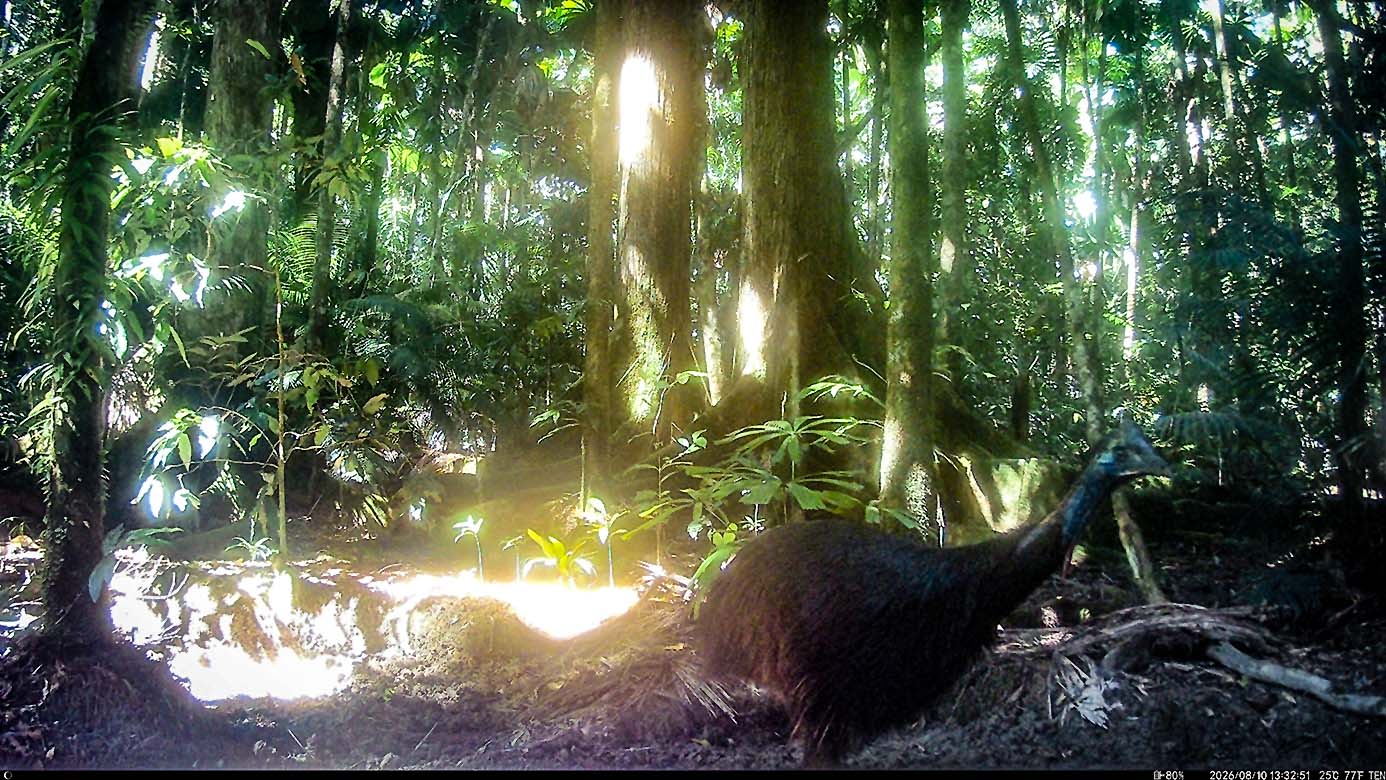
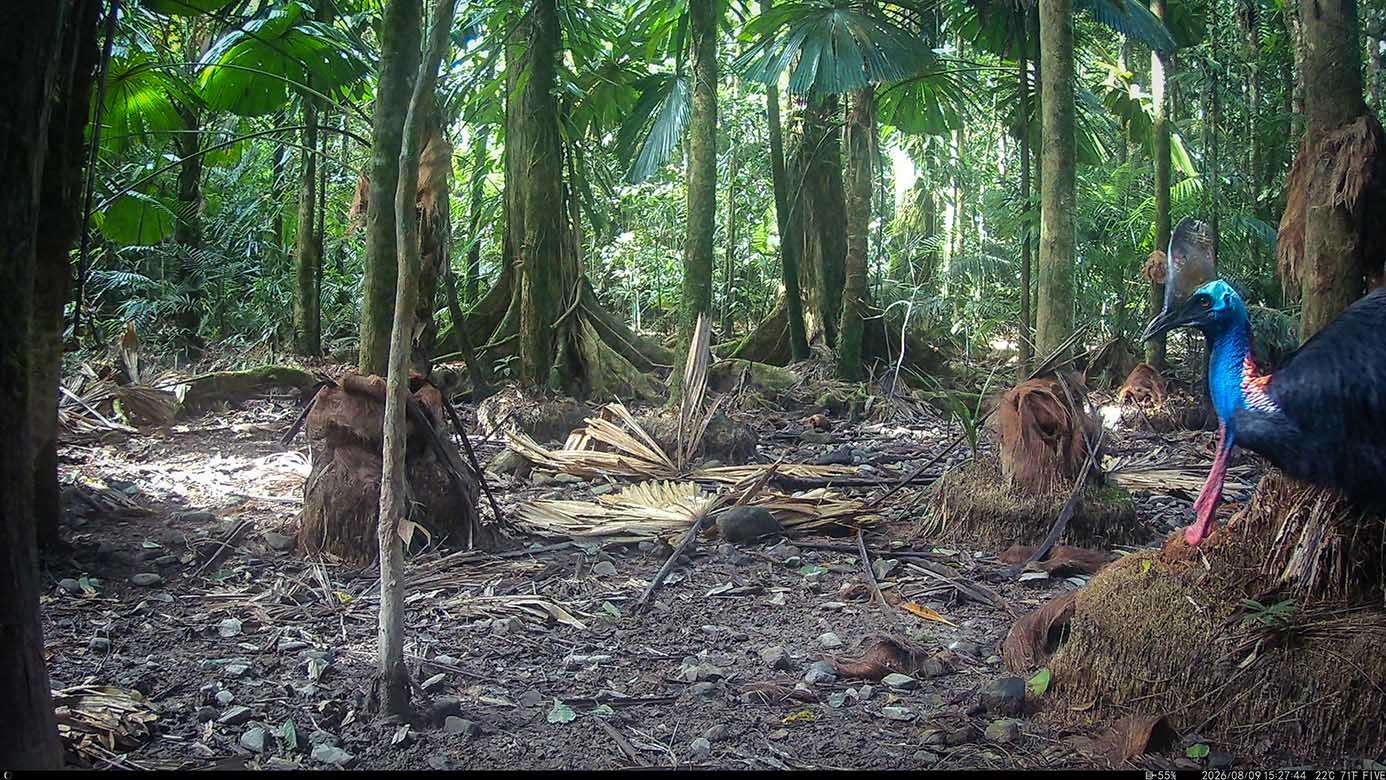
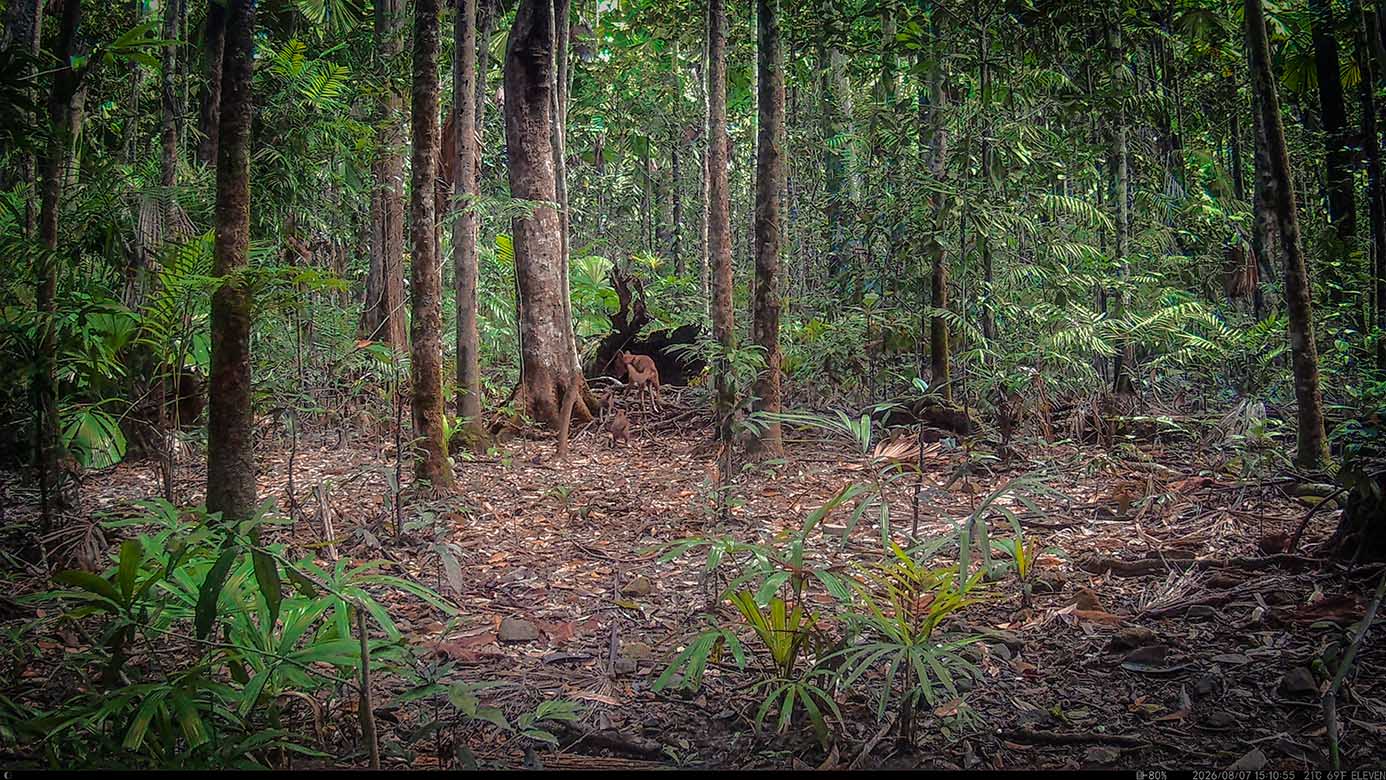
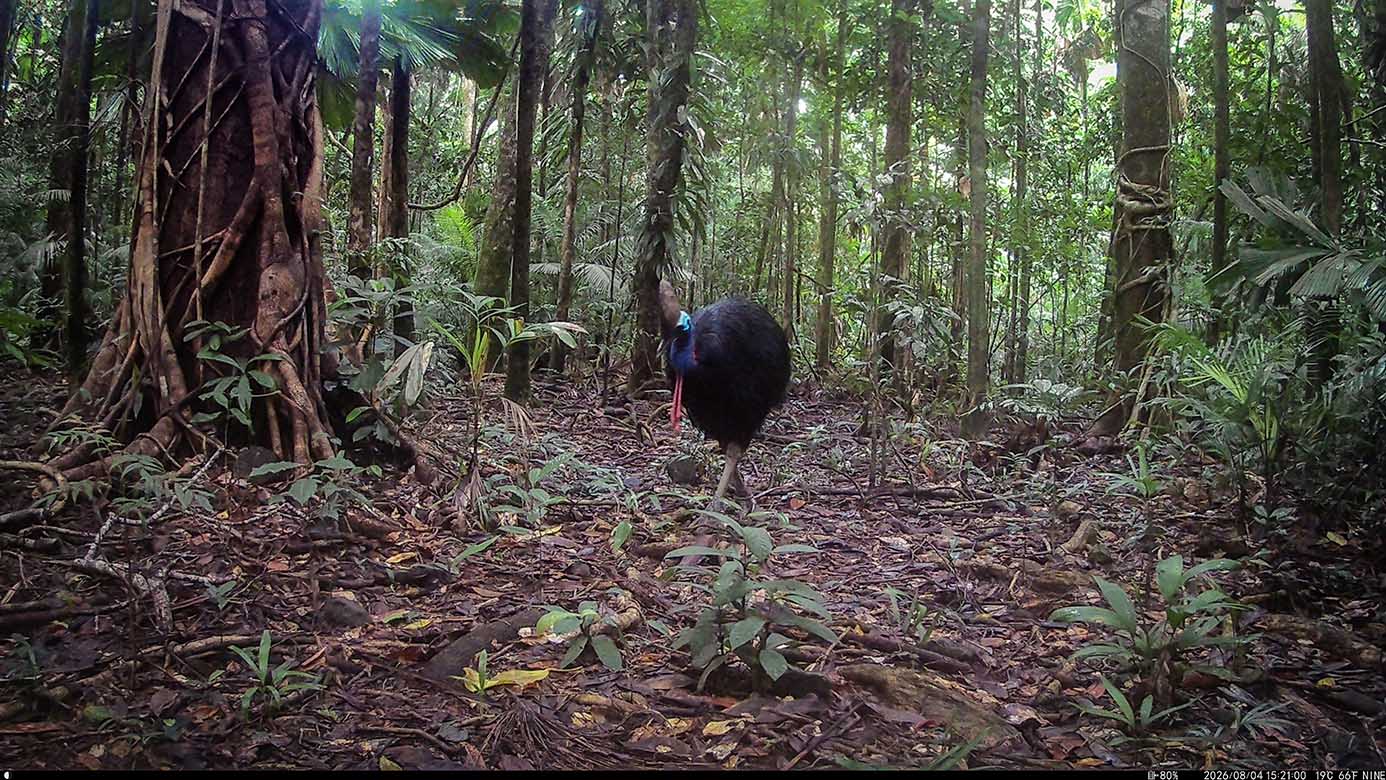
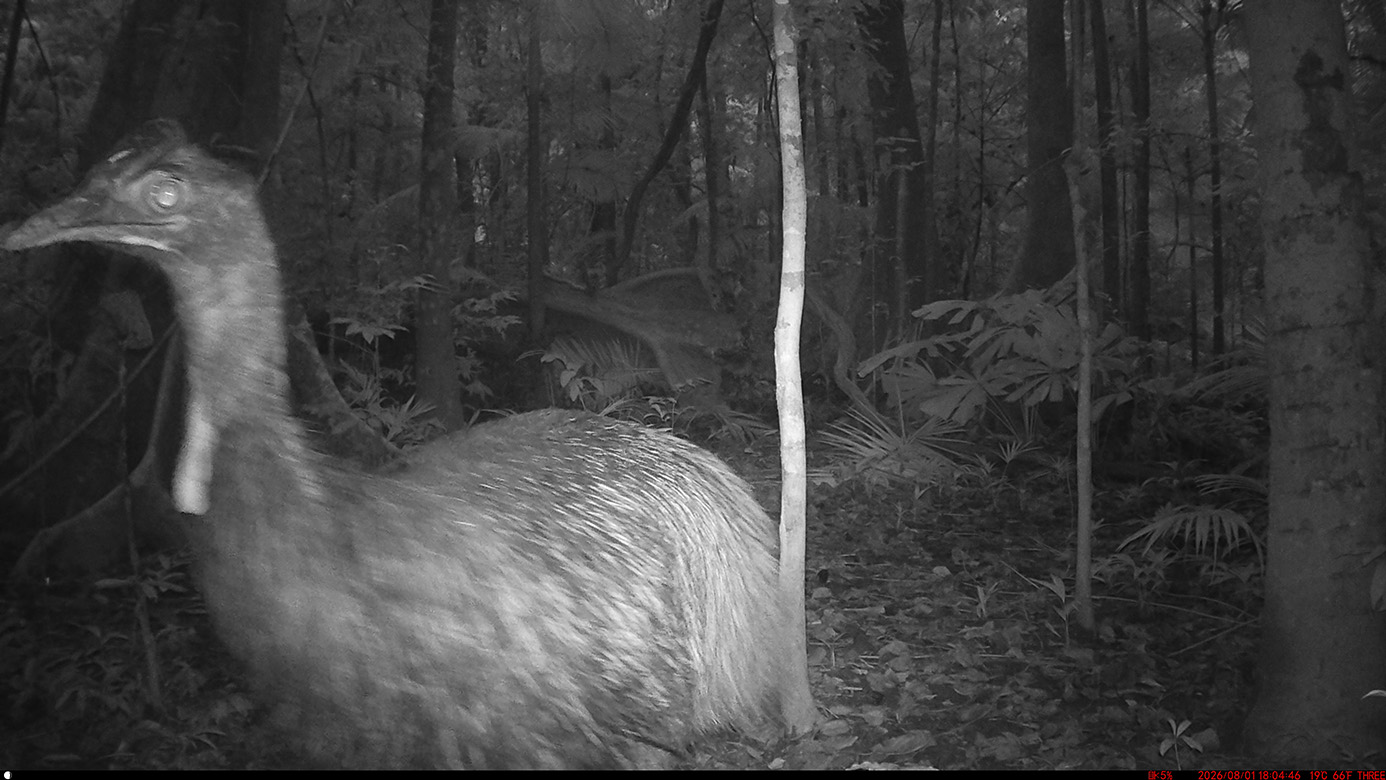
Keeping up with the cassowaries …
Taiga (at the top of page), with Jupiter, Neptune & Pluto
Crinkle-Cut and introducing Sally & Adam
Luna
Delilah
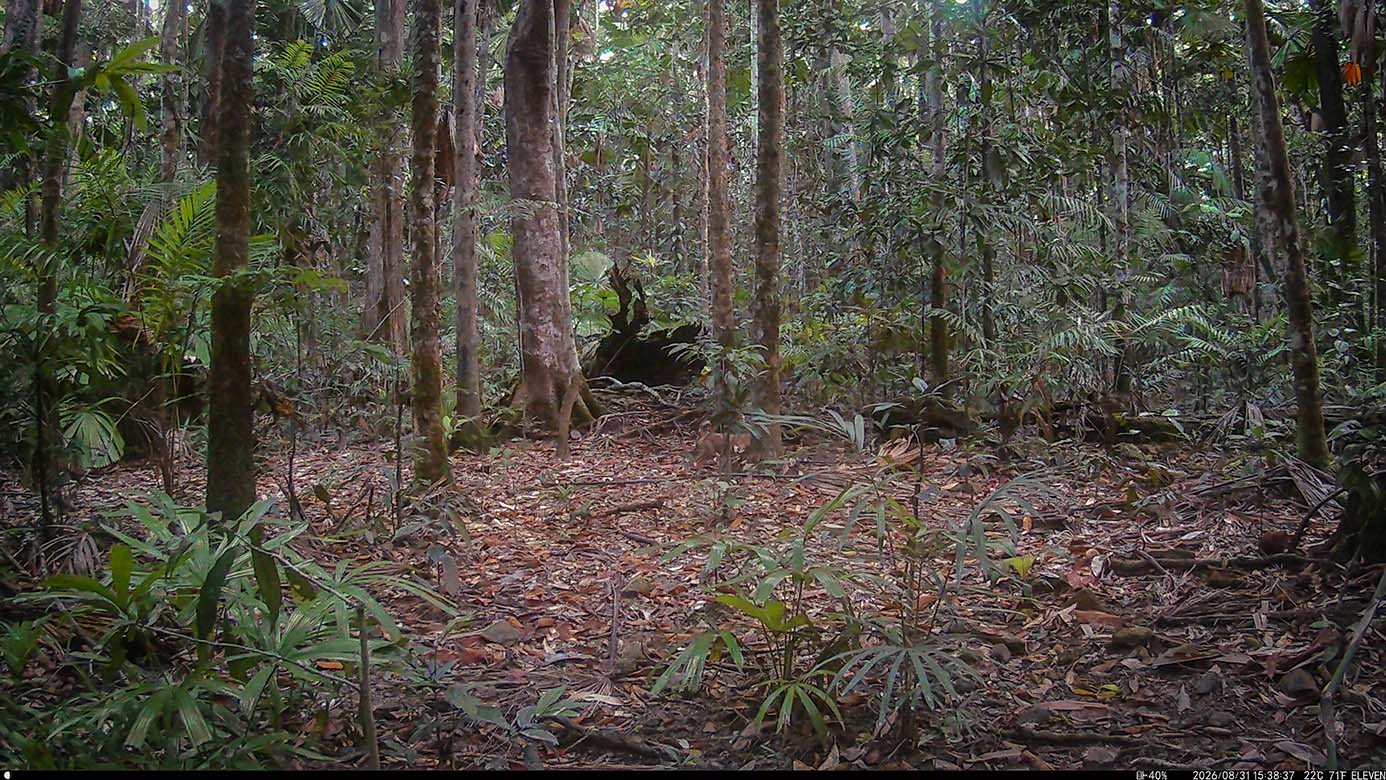
Daintree Rainforest Dingoes …
August revealed 388 dingo sightings from Camera 11!
How many litters in the one den?
A volunteer coach for a middle school First Lego League Team in Washington, USA, has reached out to the world’s oldest rainforest for some information about protecting natural habitats.
First Lego League is a program that uses STEM to engage kids in resolving real life challenges just like an engineer. This is accomplished through a robot competition where kids build and program their own Lego robot to solve course mission and a research project where kids identify a real-life challenge and come up with a solution that they later present to a committee at the end of the season.
This year’s theme is BIOGLOW, which explores biodiversity and the connections between nature, technology, and innovation. Students will investigate how technology and creativity can help understand and protect natural habitats, while developing STEM skills, teamwork, and problem-solving abilities. They have asked:
1. What technology do I use to perform my job?
My answer: Nothing is more appropriate nor sensitive to the requirements of optimised ecological custodianship than the ever-increasingly knowledgeable and henceforth appreciative human inhabitant. Technology can be of some assistance, but it is human sensitivity that ultimately understands the full complexity of an ecological community, across every variation of season, so that all the myriad players can be coordinated into a magnum opus of ecological excellence.
2. How do I keep drones/equipment safe when they are scanning the area?
I don’t actually scan the area with drones, which are incidentally heavily regulated under the Civil Aviation Safety Authority, but their major care is in storage, via dehumidifier within an environment of exceptional humidity. Such protective technology is in turn dependent upon a reliable electricity supply in an area excised from the State’s electricity distribution authority, predominantly derived from gravity via hydro-power and the sun on those seventy-or-so-days of the year when rain and cloud disperses.
3. How do I protect myself against animals that may attack me while I work?
Living in Estuarine Crocodile habitat requires relentless vigilance and respect. Displacement of First Nations Indigenous human inhabitants on 1st January 1898, robbed the environment of its optimised crocodile management expertise and by default elevated crocodiles and arboreal pythons to de facto apex predatorship, with catastrophic consequences, as highly evolved reptilian predators, without ecological understanding, appreciation, foresight, altruism and the all-important derived spirituality, are prolific killers but woeful custodians.
4. How do I ensure my safety when spending multiple nights in the field?
As a 39-year World Heritage inhabitant, I ensure my safety through understanding, appreciation, vigilance and respect.
5. How do I protect against forest fires? How are the fires put out when one happens?
I live in the wettest environment in Australia and third wettest in the world … we do not have forest fires.
6. How do you test for unintended consequences resulting from a solution to help something else? (for example, if you spray something to help control a bug infestation how do you know that won’t adversely affect the birds in the area)
In May 1967, when Australian voters were informed that Indigenous Australians had been exploited for unpaid labour upon 51% of the continent for 137-years beyond the abolition of slavery, a referendum asked for strong support and an almost 91% majority delivered a thunderous endorsement of the proposed constitutional amendment to empower the Commonwealth Government to outlaw this discriminatory treatment, as democracy believed it had delivered the most charitable remedy to Indigenous disadvantage, only to have leaseholders evict Indigenous populations rather than paying any wages whatsoever, through what has been described as the unintended consequence. The catastrophic ecological consequences included loss of understanding, appreciation, foresight, altruism and spiritual sensitivity.
7. What is something I wish I had that would make my job safer or easier to perform?
Ecological freedom and the authority to do what is required, not what democracy allows, as the 85% of Australians that live in cities dictate through legislation and policy, how people living in remote natural environments must be constrained for the importance of an idea of nature that is mostly far removed from reality.
Daintree Rainforest Foundation Ltd has been registered by the Australian Charities and Not-for-profits Commission and successfully entered onto the Register of Environmental Organisations. Donations made to the Daintree Rainforest Fund support the Daintree Rainforest community custodianship and are eligible for a tax deduction under the Income Tax Assessment Act 1997.